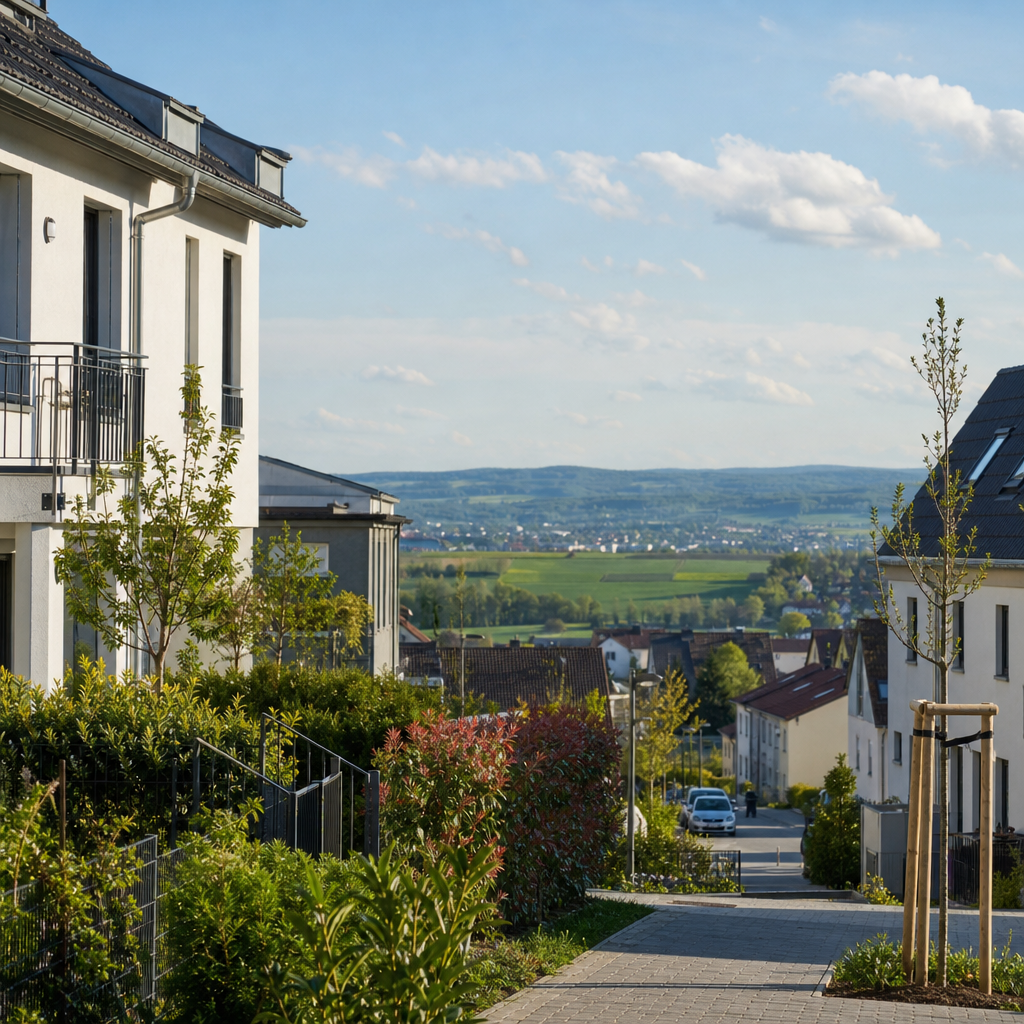
Berlin vs Its Suburbs: Is Commuting Really Worth the Savings?
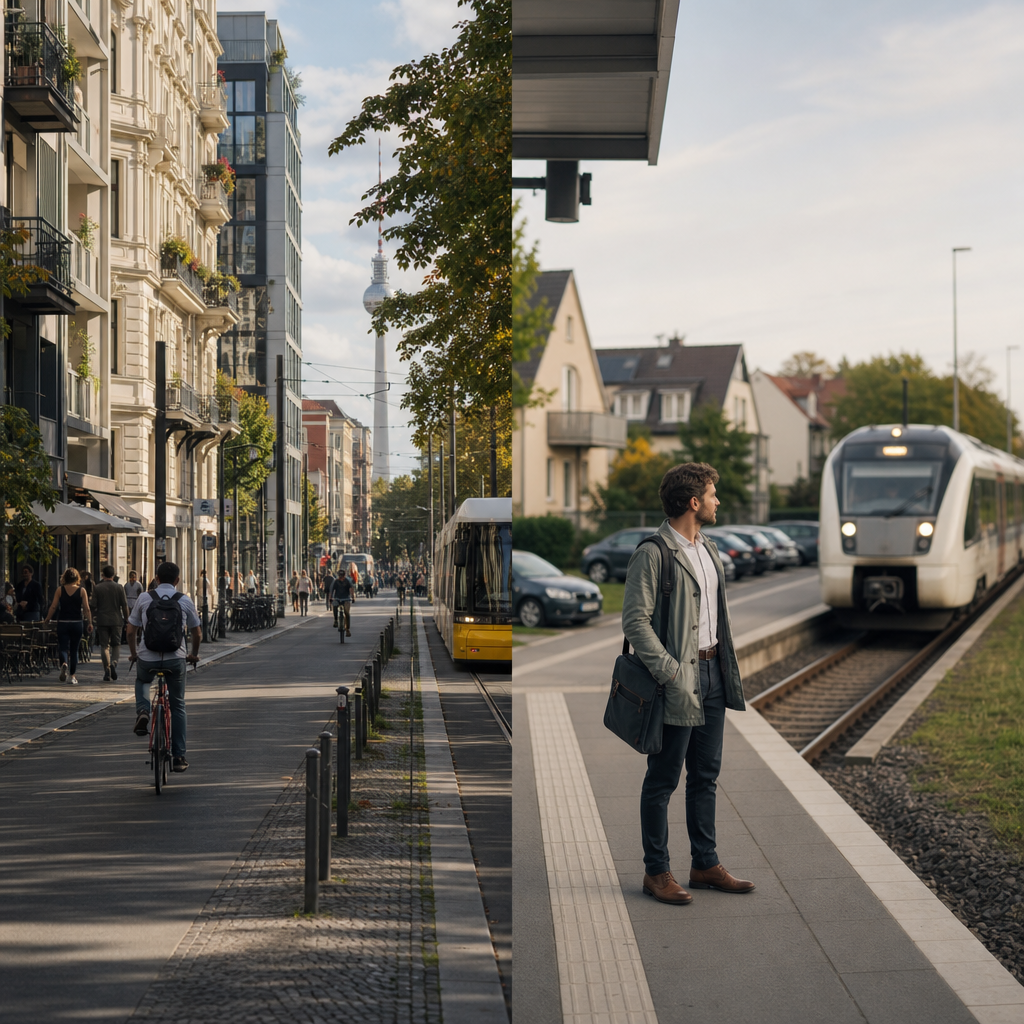
As Berlin's rental market tightens further in 2026, thousands of newcomers, students, and expats are asking the same question: should I pay a premium to live inside the Ring, or move to the suburbs and commute? With average rents in central districts climbing past €22 per square meter for new leases, the math is no longer obvious. This neighborhood guide breaks down what you actually gain — and lose — when you trade a central flat for a longer S-Bahn ride.
The Current State of the Berlin Rental Market
Berlin has officially left its reputation as "poor but sexy" behind. The Berlin rental market in mid-2026 is one of the most competitive in continental Europe, with dozens of applicants per listing in popular areas. The Mietpreisbremse (rent brake) helps existing tenants, but newcomers signing fresh contracts face the full weight of market pricing.
Here is a rough snapshot of rent prices Berlin is seeing this year for a one-bedroom apartment (new lease, cold rent):
- Mitte / Prenzlauer Berg: €1,400–€1,900
- Kreuzberg / Neukölln (north): €1,200–€1,650
- Charlottenburg / Schöneberg: €1,150–€1,550
- Wedding / Moabit: €1,000–€1,350
- Marzahn / Hellersdorf: €750–€1,000
- Suburbs (Potsdam, Bernau, Königs Wusterhausen): €650–€950
The gap between center and periphery can easily reach €500–€700 per month. That's real money — but so is your time.
Best Neighborhoods in Berlin: What You Pay For
When people ask about the best neighborhoods Berlin has to offer, they're usually weighing three things: vibe, connectivity, and cost. Here's how the main contenders stack up in our Berlin districts guide.
Central & Trendy: Mitte, Prenzlauer Berg, Kreuzberg
These are the postcard districts. Cafés on every corner, U-Bahn every 3 minutes, walkable to nightlife, work, and green spaces like Volkspark Friedrichshain. You pay heavily for the convenience, and finding a flat here without insider knowledge is brutal.
Up-and-Coming: Neukölln, Wedding, Lichtenberg
Still within the Ring, these areas offer a more affordable entry into city life. Neukölln has fully gentrified in its northern parts, but southern Neukölln and Wedding still deliver value. Lichtenberg surprises many expats with its calm streets and solid tram network.
Family-Friendly & Green: Charlottenburg, Steglitz, Pankow
Quieter, leafier, with excellent schools and Kita availability. Rents are moderate compared to Mitte, and you still get 20–30 minute commutes to the center.
The Suburb Option: Who Actually Wins?
Let's do the honest math. Suppose you save €600/month by moving to Bernau or Erkner. Sounds great — until you factor in:
- A monthly VBB ticket covering zones ABC: around €110
- 60–90 minutes of daily commute (both ways combined)
- Fewer late-night transport options
- Higher reliance on being organized (groceries, social plans, appointments)
Over a year, you save roughly €5,900 in rent but spend an extra ~250 hours in transit. If you value your time at even €15/hour, that's €3,750 "spent" commuting — bringing real savings closer to €2,000/year. Still meaningful, but not life-changing.
When the Suburbs Make Sense
- You work fully remote or hybrid (1–2 office days)
- You have a family and want more space per euro
- You prefer quiet evenings and nature access
- You're saving aggressively for a property purchase
When Staying Central Wins
- You work in-person in Mitte, Friedrichshain, or Kreuzberg
- Your social life is a core part of your Berlin experience
- You're a student with irregular hours
- You value spontaneity over square meters
Where to Live in Berlin Based on Your Profile
Still unsure where to live in Berlin? Match your situation to these mini-profiles:
- The international student: Neukölln, Wedding, or Friedrichshain — affordable-ish, well-connected, socially alive.
- The tech professional (hybrid): Prenzlauer Berg, Pankow, or even Potsdam if you love architecture and calm.
- The young family: Steglitz, Tempelhof, Karlshorst, or Falkensee in the suburbs.
- The digital nomad on a 3-month stay: Mitte or Kreuzberg — pay the premium, enjoy the walkability.
- The long-term expat couple: Charlottenburg or Lichtenberg strike the best balance.
Finding a Flat: The Real Bottleneck
Here's the twist nobody tells you: in 2026, the hardest part isn't choosing a neighborhood — it's actually getting a flat. The best listings never make it to the major portals. They circulate in Facebook groups like "WG & Wohnungen Berlin", Telegram channels, WhatsApp networks of expats, and local Reddit threads. By the time a post appears on a mainstream portal, it already has 200 applicants.
This is exactly where Roogle changes the game. Instead of refreshing five apps and joining twenty groups, Roogle aggregates rental posts from Facebook, Telegram, Instagram, WhatsApp, Reddit, and community forums into one clean, structured feed. You set your filters — Prenzlauer Berg, max €1,300, min 45m² — and receive live alerts via Telegram, email, or push notification the second a matching post appears.
Every listing links directly back to the original source, so you can message the landlord or poster within minutes. In a market where the first three applicants usually win, minutes matter.
Making the Final Call
So: Berlin or the suburbs? There's no universal answer, only your answer. Run the numbers honestly, factor in your commute tolerance, and be realistic about how you actually spend your evenings. A €600 monthly saving in Königs Wusterhausen is only a win if you're not spending Friday nights alone because getting home costs an hour and a taxi.
Whatever you decide, don't lose the flat because you found it too late. Visit roogle.app today, set up your personalized search for any Berlin district or suburb, and let the listings come to you — from every corner of the internet, in real time. Your next home is probably being posted right now. Make sure you're the first to see it.
Looking for rentals now?
Search hidden community listings across Facebook, Telegram, Reddit, forums and more — in one live feed with instant alerts.