
What Documents You Need to Rent an Apartment in Germany: The Complete Guide
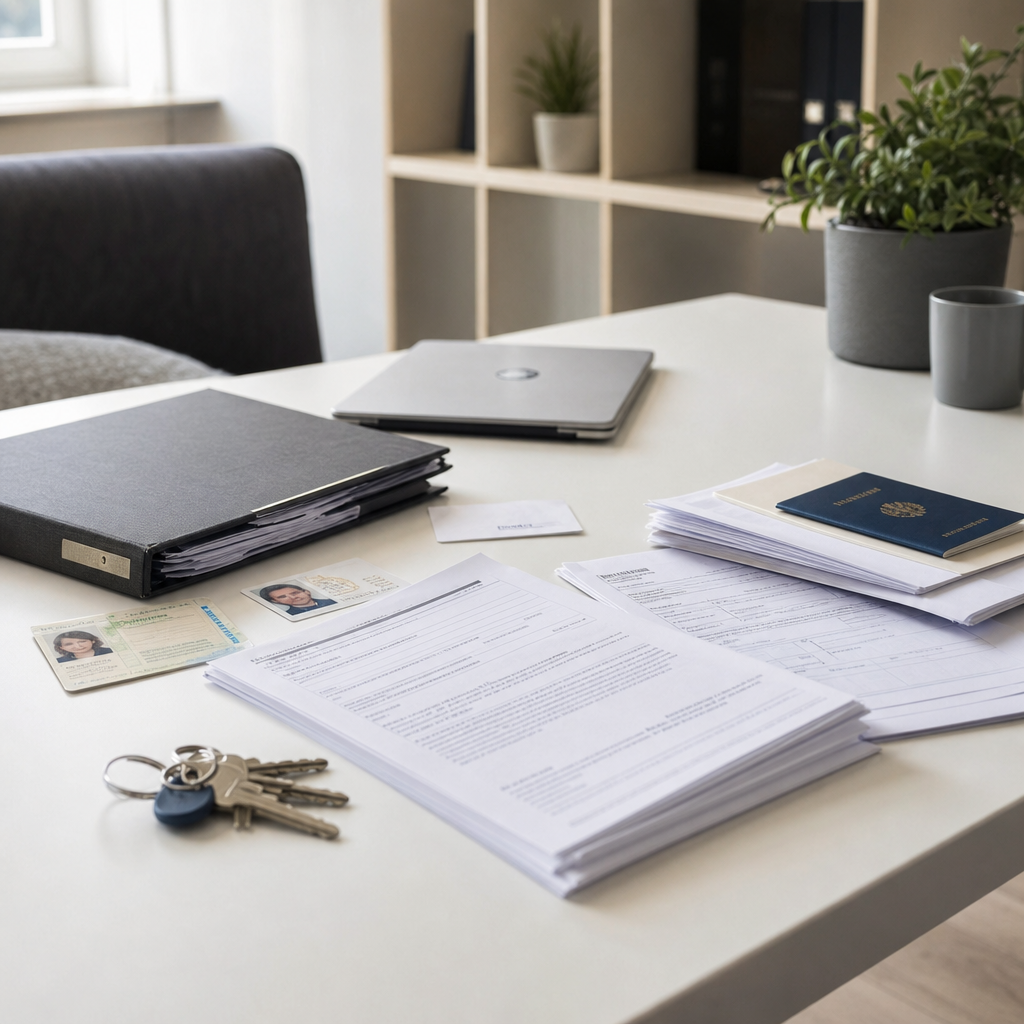
Renting an apartment in Germany is famously competitive. In cities like Berlin, Munich, Hamburg, and Frankfurt, a single listing can attract hundreds of applicants within hours. What separates successful tenants from the rest isn't luck — it's paperwork. German landlords make decisions based on a strict rental application checklist, and if even one document is missing, your file goes straight to the bottom of the pile.
Whether you're an expat, a student, a young professional, or someone who has just landed a job offer, this guide walks you through every document you'll need, why it matters, and how modern tools can dramatically speed up your rental search.
Why Documentation Matters So Much in Germany
Germany has some of the strongest tenant protection laws in Europe. Once a landlord signs a contract with you, evicting a non-paying tenant can take months or even years. As a result, landlords vet applicants meticulously before handing over the keys.
This is true whether you rent through a real estate agency or opt to rent without agency through private landlords. In fact, more and more Germans are choosing to skip agencies to avoid the commission (Provision) and connect directly with owners — which means the applicant with the cleanest, most complete file wins.
The Essential Rental Application Checklist
Here is the standard set of documents every landlord in Germany will expect. Prepare them before you start viewing apartments — not after.
1. Valid ID or Passport
A copy of your passport (for non-EU citizens) or national ID card (for EU citizens). Simple, but non-negotiable.
2. Residence Permit (Aufenthaltstitel)
If you're a non-EU citizen, landlords will want to see your residence permit or visa, confirming your legal right to live in Germany.
3. SCHUFA Credit Report (SCHUFA-Auskunft)
This is the single most important document. SCHUFA is Germany's credit-scoring agency, and landlords use it to check whether you have unpaid debts. You can request a tenant-friendly version (Bonitätsauskunft) online for around €30. Newcomers without a SCHUFA history should provide an explanatory letter and additional financial proof.
4. Proof of Income (Einkommensnachweis)
Usually your last three pay slips (Gehaltsabrechnungen). Landlords typically want to see that your net monthly income is at least three times the cold rent (Kaltmiete).
5. Employment Contract
A copy of your work contract confirms job stability. If you're on a probation period (Probezeit), be transparent — some landlords still accept it, especially with a guarantor.
6. Previous Landlord Certificate (Mietschuldenfreiheitsbescheinigung)
A short letter from your previous landlord confirming you paid your rent on time and left no debts. New arrivals from abroad can substitute a reference letter from an international landlord.
7. Self-Disclosure Form (Mieterselbstauskunft)
A standardized form asking about your profession, income, marital status, number of occupants, and pets. Fill it out honestly — false statements can void your contract.
8. Bank Statements
Some landlords ask for the last three months of statements to verify recurring income and healthy financial habits.
Extra Documents That Can Give You an Edge
In tight markets, going beyond the basics can make your application stand out.
- Guarantor Declaration (Bürgschaft): A parent or relative who agrees to cover the rent if you can't.
- Motivation Letter: A short, friendly introduction explaining who you are, your lifestyle, and why you'd be a great tenant.
- Photo: Not mandatory, but often included as a personal touch.
- Liability Insurance (Haftpflichtversicherung): Widely expected in Germany — costs around €50/year.
Mini Use Case: Two Applicants, One Apartment
Imagine a bright two-room flat in Prenzlauer Berg with 47 applicants. Marta, an Italian designer, arrives at the viewing with a printed folder containing her SCHUFA, three pay slips, employment contract, a signed self-disclosure form, and a one-page letter introducing herself. Tom, another applicant, promises to "send everything by email later." Who gets the apartment? Marta — every time. Preparation beats charisma in the German rental market.
Where to Actually Find Listings — Beyond the Big Portals
Here's a truth most guides skip: the best apartments in Germany often never reach the mainstream real estate portals. They circulate first inside Facebook groups, Telegram channels, WhatsApp broadcasts, expat forums, and community Reddit threads. By the time they hit the big platforms, they're gone.
This is where rental listings direct from owner are gold — no commission, faster response times, and often more flexible landlords. The catch? These sources are scattered across dozens of platforms and languages, making manual monitoring nearly impossible.
That's exactly the problem Roogle solves.
How Roogle Helps You Find Apartment Fast
Roogle is the first aggregator that turns messy rental posts from Facebook, Telegram, Instagram, WhatsApp, Reddit, and community forums into clean, structured listings — updated in real time.
With Roogle you can:
- Receive live alerts via Telegram, email, or push notifications the moment a new listing matching your criteria appears.
- Access hidden community listings that never reach Immoscout or WG-Gesucht.
- Click direct links to the original source — so you can message the landlord in seconds.
- Filter by neighborhood, price, size, and whether the listing is from an agency or private owner.
While the same principles apply across Europe — whether you're searching for an apartment for rent Milan, a room in Paris, or a studio in Madrid — Roogle's German coverage is particularly deep, precisely because so many of the best deals happen off the mainstream radar.
Practical Tips to Speed Up Your Search
- Prepare a digital "application pack" PDF with all documents in one file, translated to German where possible.
- Reply within minutes, not hours. Speed matters more than eloquence.
- Be flexible with viewing times — offer to come the same day.
- Attend group viewings prepared to hand over your file physically.
- Set up multiple alerts on Roogle with slightly different criteria to widen your net.
Common Mistakes to Avoid
- Sending incomplete applications "to be updated later."
- Ignoring smaller Telegram or Facebook groups where private landlords post first.
- Underestimating how quickly listings disappear (often within 1–2 hours).
- Paying deposits before signing a contract or seeing the apartment.
- Falling for scams asking for money transfers via Western Union or crypto.
Conclusion: Preparation + The Right Tool = The Keys in Your Hand
Renting in Germany rewards those who show up organized, fast, and informed. A complete document pack is your ticket to the shortlist; a smart search tool is your ticket to the front of the line.
Stop refreshing endless tabs and chasing dead listings. Visit roogle.app today, set up your personalized alerts, and let Germany's hidden rental market come directly to you — via Telegram, email, or push notification. Your next apartment is already being posted somewhere. Make sure you're the first to see it.
Looking for rentals now?
Search hidden community listings across Facebook, Telegram, Reddit, forums and more — in one live feed with instant alerts.