Duplicate Rental Listings Across Sites: What They Really Signal

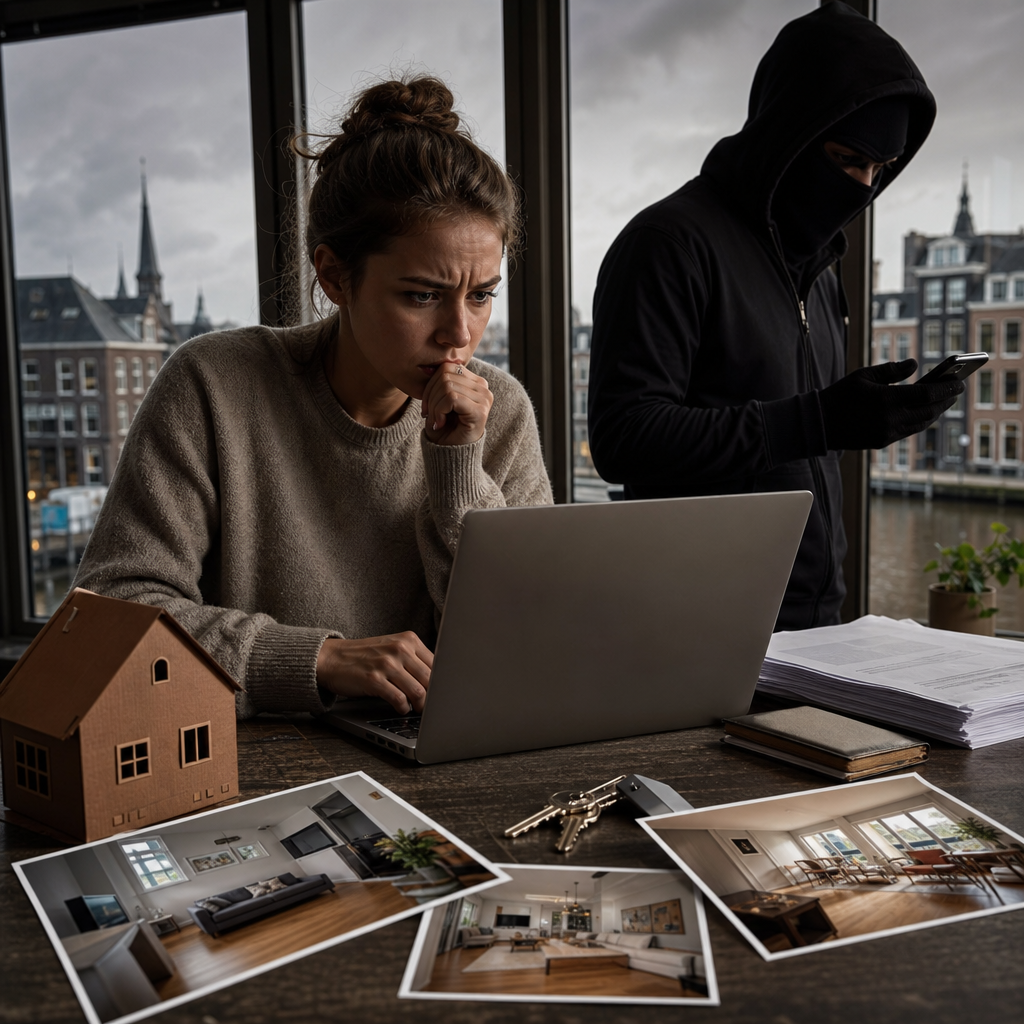
You've been apartment hunting for a week. The same charming two-bedroom in Berlin, Paris, or Austin keeps popping up — sometimes at €1,200, sometimes at €900, sometimes with a different agent, sometimes with no agent at all. Is it a great deal, a system glitch, or something more sinister?
In 2026, duplicate rental listings across platforms have become one of the most reliable early warning signs of a rental scam — but also, confusingly, one of the most common features of a healthy, multi-channel market. Learning to read the difference is now a core skill for every renter.
Why the Same Apartment Appears on Multiple Sites
Not every duplicate is dangerous. In fact, most aren't. Understanding the legitimate reasons behind cross-posting is the first step toward spotting the illegitimate ones.
Legitimate reasons for duplicates
- Multi-agency listings: A landlord may hire two or three agencies, each of which posts the property on its own portal and on public marketplaces.
- Aggregator republishing: Platforms like Roogle intentionally surface the same listing from multiple sources so you can compare and click through to the original.
- Owner + agent overlap: The owner posts on Facebook groups while their agent lists on Zillow, Idealista, or ImmoScout24.
- Re-listing after a failed tenant: The same flat may reappear weeks later — genuinely available again.
Suspicious reasons for duplicates
- The same photos appear under different addresses in different cities.
- The price varies wildly — a €1,800 Parisian loft suddenly offered for €650.
- Contact names, phone numbers, and email addresses don't match between listings.
- The listing is copied from a real, sold, or long-rented property (a classic fake rental listing tactic).
What Duplicate Listings Signal About Trust
Duplicates are essentially a public paper trail. When you know how to read them, they tell you a story about the person behind the ad.
Healthy signals:
- Consistent price (±5%) across all platforms.
- Same photos, same address, same square meters everywhere.
- The agent or landlord's name appears identically or with a clear professional identity.
- Listings link back to a verifiable agency website or a real person's profile.
Red flags:
- Reverse image search reveals the photos were stolen from a listing in another country.
- The "owner" is conveniently abroad and can't show the apartment in person.
- You're asked to pay a deposit via wire transfer, crypto, or gift cards before viewing — the textbook rental deposit scam.
- Urgency tactics: "Three other people want it, send €500 today to hold it."
Real Cases: How Duplicates Exposed the Scam
Case 1 — The Amsterdam loft that lived in Warsaw
A student searching for housing found the same photogenic loft on three Facebook groups and two classifieds — priced at €750, €890, and €1,400 respectively. A quick reverse image search revealed the photos originated from a real estate agency in Warsaw two years earlier. The €750 version was a scam; the mid-priced ones were opportunists copying the copy.
Case 2 — The "landlord" in six cities
A family relocating to Spain kept receiving the same well-written reply from different email addresses. The photos, however, matched across five listings in Madrid, Valencia, Barcelona, Seville, and even Lisbon. One scammer, one photo set, six markets. Cross-referencing the duplicates saved them from wiring a €2,400 deposit.
How to Verify a Rental Listing in Under 10 Minutes
Here's a fast checklist you can run before sending a single euro or dollar. Use it every time to avoid rental fraud:
- Reverse image search every photo (Google Lens, TinEye). If they appear elsewhere with different addresses, walk away.
- Cross-check the address on Google Street View. Does the building match the photos?
- Search the phone number and email in quotes on Google. Scammers reuse contact details across dozens of ads.
- Ask for a live video tour. Real landlords will agree; scammers invent excuses.
- Never pay a deposit before signing a contract and, ideally, viewing in person or through a trusted intermediary.
- Verify the agency exists on official real estate registries (e.g., Chamber of Commerce in the EU, state licensing boards in the US).
The 3-Source Rule
Before committing, try to confirm the listing from at least three independent sources: the original post, a public registry or company page, and a direct conversation. If any of the three feels off, treat the whole thing as suspect.
How Roogle Turns Duplicate Chaos Into Clarity
This is exactly the problem Roogle was built to solve. Instead of forcing you to hunt across Facebook groups, Telegram channels, Instagram DMs, WhatsApp broadcasts, Reddit threads, and community forums, Roogle aggregates them all into one structured feed — and keeps the original source visible.
Here's what that means in practice:
- See all duplicates side by side. If the same apartment appears in four channels at four different prices, you'll notice instantly.
- Direct links to the original post. No middlemen rewriting the ad. You always know where a listing came from.
- Real-time alerts via Telegram, email, and push notifications. Get notified the moment a legitimate listing matching your criteria appears — before scammers have time to clone it.
- Access to hidden community listings. Many of the safest, most affordable rentals live in closed groups. Roogle surfaces them without breaking their context.
- Structured data. Price, size, neighborhood, and posting date are normalized, so anomalies (a €650 loft in the 6th arrondissement of Paris) stand out at a glance.
Duplicates stop being noise and start being signal. You spend less time scrolling and more time deciding.
The Bigger Picture: Trust in Online Rentals in 2026
With AI-generated photos and cloned listings on the rise this year, the housing market has quietly entered a new era where the tenant's biggest tool isn't more listings — it's better context. Duplicate detection, source transparency, and cross-referencing have become as essential as checking the price per square meter.
The renters who thrive in 2026 are the ones who treat every listing like a claim to be verified, not a truth to be believed.
Conclusion: Turn Duplicates Into Your Superpower
Duplicate rental listings across sites aren't inherently good or bad — they're information. Read correctly, they can save you thousands of euros or dollars and hours of heartbreak. Read carelessly, they can drain your savings before you've even signed a lease.
Stop chasing listings across a dozen apps. Let Roogle do the aggregating, the deduplicating, and the alerting for you — while keeping every original source one click away. Visit roogle.app today, set up your first alert in under two minutes, and start your rental search with the clarity, speed, and trust you deserve.
Looking for rentals now?
Search hidden community listings across Facebook, Telegram, Reddit, forums and more — in one live feed with instant alerts.