
What a Fair Security Deposit Looks Like Across Europe in 2026
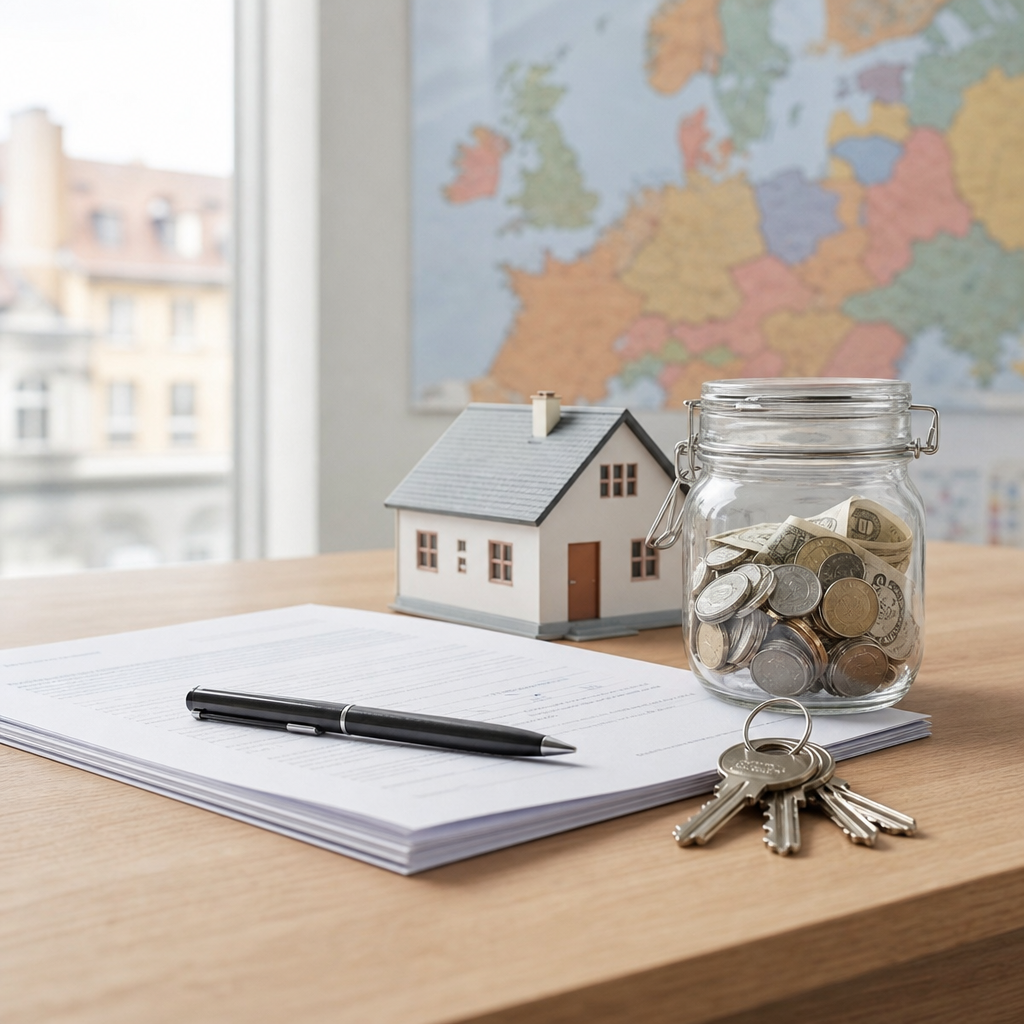
Moving to a new country or even a new city often comes with one big question: how much should you actually pay as a security deposit? In 2026, as cross-border mobility keeps growing across Europe, tenants are still confronted with wildly different rules from Berlin to Barcelona. Understanding what is fair — and what is legally allowed — can save you thousands of euros and countless headaches.
Whether you are starting a rental search in a new city, hunting for an apartment for rent Toulouse, or planning a long-term move, this guide breaks down what a reasonable deposit really looks like across Europe.
Why the Security Deposit Matters More Than You Think
The security deposit is often the single biggest upfront cost of moving in. It is meant to protect landlords from unpaid rent or damage, but in practice it can also become a source of disputes, delayed refunds, or unfair deductions.
A fair deposit should:
- Be proportional to the monthly rent
- Be clearly stated in the lease agreement
- Be held in a protected or escrow account where the law requires it
- Be fully refundable if the property is returned in good condition
If you plan to rent without agency, understanding these rules becomes even more important — you won't have an intermediary translating the fine print for you.
Country-by-Country: What's Considered Fair in 2026
Europe has no single deposit rule, but each country has its own norms and legal caps. Here's a snapshot.
France
In France, the security deposit is capped by law. For an unfurnished apartment, it cannot exceed one month of rent excluding charges. For furnished rentals, it can go up to two months. Landlords must return the deposit within one to two months after move-out.
This makes France one of the more tenant-friendly markets, especially if you're searching for an apartment for rent Toulouse, where competition is high but the legal framework is clear.
Germany
Germany allows landlords to request up to three months of cold rent (Kaltmiete) as a deposit. However, the tenant has the right to pay it in three monthly installments. Deposits must be placed in a separate interest-bearing account.
Spain
In Spain, the standard deposit (fianza) is one month for residential leases and two months for commercial leases. In some regions like Catalonia and Madrid, deposits must be registered with a public agency.
Netherlands
Dutch landlords typically ask for one to two months' rent. Since 2023, excessive deposits above two months are prohibited by law.
Italy
Italian landlords can legally request up to three months of rent as a deposit, though two months is more common in practice.
Portugal
Deposits usually range from one to three months of rent, with two months being standard.
Red Flags to Watch For
Even in regulated markets, some landlords try to bend the rules. Be cautious if you spot these signs:
- A deposit that exceeds the legal maximum for the country
- Requests to pay in cash without a receipt
- No written lease or unclear refund conditions
- Pressure to transfer money before viewing the property
- Vague clauses about "cleaning fees" or "administrative charges"
Scams targeting newcomers, students, and expats are unfortunately common. Always verify the identity of the landlord and insist on a proper contract.
Your Rental Application Checklist
A well-prepared rental application checklist dramatically increases your chances of securing a good apartment quickly — especially in competitive markets. Landlords across Europe typically expect:
- A valid ID or passport
- Proof of income (last 3 payslips or employment contract)
- Bank statements or proof of savings
- A guarantor letter (common in France and Germany)
- Previous landlord references, when available
- Tax returns for self-employed applicants
Having these documents ready as a single PDF can be the difference between getting the keys or losing the flat to someone faster.
How to Find Apartments Without Overpaying
Agencies often charge fees on top of the deposit, so many tenants prefer rental listings direct from owner. These listings are increasingly scattered across Facebook groups, Telegram channels, WhatsApp communities, Reddit threads, and local forums — which makes them powerful but exhausting to track manually.
This is exactly where Roogle changes the game. Instead of refreshing dozens of groups every hour, Roogle aggregates rental posts from across social platforms and community sources into one clean, structured feed. You can:
- Set filters by city, budget, and property type
- Receive live alerts via Telegram, email, or push notifications
- Access listings that never appear on traditional portals
- Click straight through to the original source and the landlord
If your goal is to find apartment fast, especially without paying agency fees, having real-time visibility into community listings is a serious advantage.
Practical Tips to Protect Your Deposit
Once you've signed a lease, follow these steps to make sure you actually get your money back:
- Do a detailed inventory with photos and video on move-in day
- Keep every receipt for repairs or improvements you make
- Communicate in writing (email or messaging apps) rather than by phone
- Give proper notice according to your contract
- Request a joint inspection at move-out and get a signed report
- Know your country's legal deadline for deposit return
In most European countries, if the landlord fails to refund your deposit within the legal timeframe, you can claim interest or additional compensation.
The Bigger Picture: A Shifting European Rental Market
In 2026, the European rental landscape continues to evolve. Cities like Toulouse, Lisbon, Berlin, and Valencia have seen a surge in demand from remote workers and international students. Regulation is tightening around deposits, short-term rentals, and price caps, but enforcement varies.
The tenants who succeed are the ones who move fast, know their rights, and use the right tools.
Conclusion: Rent Smarter, Not Harder
A fair security deposit is not just a number — it's a signal of a fair rental relationship. Know the legal limits in your country, prepare your documents in advance, and never rush a payment before verifying the offer.
And when it comes to finding the right place without wasting weeks scrolling through endless groups, let Roogle do the heavy lifting. Visit roogle.app to explore aggregated listings from social networks and community sources, set your personalized alerts, and finally take control of your rental search.
Looking for rentals now?
Search hidden community listings across Facebook, Telegram, Reddit, forums and more — in one live feed with instant alerts.