Fake Landlord Scams: 7 Warning Signs Every Renter Must Know

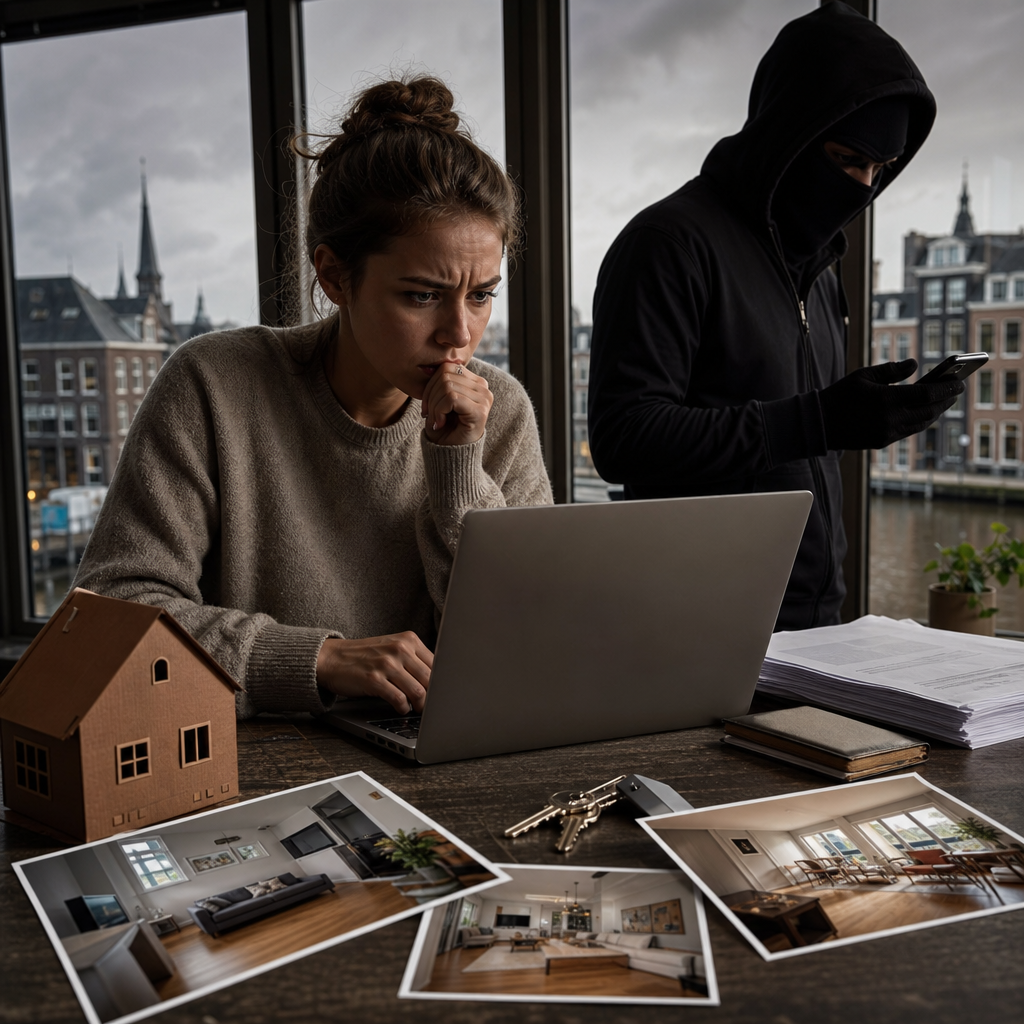
Finding an apartment in 2026 is faster than ever — but so are the scammers targeting desperate renters. From Berlin to Barcelona, from Paris to New York, fake landlord scams have quietly become one of the most profitable online frauds in the housing market. According to Europol's latest housing fraud report, victims lose an average of €1,800 per incident, often before they even see the apartment in person.
Whether you're an international student, an expat relocating for work, or simply hunting for a better place in your own city, understanding the warning signs of a rental scam can save you thousands of euros — and weeks of heartbreak. In this guide, we'll break down exactly how fake landlords operate, the red flags to watch for, and how to verify a rental listing before you send a single cent.
How Fake Landlord Scams Actually Work
Most scams follow a surprisingly predictable script. A fraudster copies photos and descriptions from a legitimate listing (often from Airbnb, Idealista, or SeLoger), reposts them at a suspiciously low price on Facebook Marketplace, Craigslist, or a WhatsApp group, and waits for hopeful renters to bite.
Once you contact them, they'll present a heart-tugging story: they're a doctor working abroad, a diplomat, or a professor on sabbatical. They can't meet in person, but they'll happily send you the keys — right after you wire the deposit.
The classic rental deposit scam pattern
- You see a beautiful apartment at 30–40% below market price.
- The "owner" replies quickly and emotionally.
- They refuse video calls or in-person viewings.
- They pressure you to pay a deposit to "reserve" the flat.
- Once you pay, they vanish.
7 Warning Signs of a Fake Rental Listing
Here are the red flags that should immediately trigger your suspicion:
1. The price is too good to be true
A two-bedroom flat in central Amsterdam for €700? A furnished studio in Manhattan for $900? If the price is dramatically below the market average for that neighborhood, it's almost certainly a fake rental listing. Scammers use low prices as bait — nothing more.
2. The landlord refuses to meet
Legitimate landlords, or at least their agents, will always agree to an in-person or live video viewing. If someone claims to be "stuck in London" or "on a mission in Dubai" and cannot show you the flat, walk away.
3. Payment requested before viewing
No serious landlord in Europe or the US will demand a deposit, first month's rent, or "reservation fee" before you've even stepped inside the property. This is the single most common tactic in the rental deposit scam playbook.
4. Wire transfers, crypto, or gift cards
Requests for Western Union, MoneyGram, Bitcoin, or Amazon gift cards are unmistakable signs of fraud. These payment methods are untraceable and irreversible.
5. Emotional pressure and urgency
"Three other people want it — decide by tonight!" Scammers rely on FOMO. A real landlord understands that renters need time to review the contract and visit the property.
6. Reverse image search reveals the truth
Take one photo from the listing and drop it into Google Images or TinEye. If the same photos appear on ten other websites in five different countries, you've just uncovered a scam.
7. Poor grammar and inconsistent details
Many scam messages are written in awkward, translated English, French, or German. Details often shift between messages — the address changes, the number of bedrooms varies, or the landlord's name is spelled differently.
How to Verify a Rental Listing Before You Pay
To avoid rental fraud, treat every listing as suspicious until proven otherwise. Here's your verification checklist:
- Reverse-search the photos. Confirm they don't appear on other sites.
- Search the address. Cross-check on Google Street View and public property records.
- Ask specific questions. Request additional photos taken today with a specific object visible (a newspaper, a written note).
- Verify the landlord's identity. Ask for a copy of an ID plus a proof of ownership document. Compare names carefully.
- Insist on a video tour. A real landlord walking through the apartment on a live call is one of the strongest proofs of legitimacy.
- Use secure payment methods. Bank transfers within the EU (SEPA) are traceable. Never use cash, crypto, or wire services.
- Read the contract before paying anything. Any refusal to share a written lease in advance is a dealbreaker.
A real-world example
Maria, a Spanish exchange student who moved to Munich last spring, found a stunning studio for €650 near the university. The "owner" — supposedly a British engineer working in Qatar — asked her to send €1,300 via Wise to secure the flat. Something felt off, so she reverse-searched the images. The exact same photos were listed on a real estate site in Vienna. She reported the account and kept her savings intact.
Where Scams Thrive — and Why Community Listings Are Safer
Most fraud happens on open marketplaces with zero verification: Craigslist, Facebook Marketplace, generic classified sites. In contrast, listings shared inside trusted community groups (student networks, expat Telegram channels, neighborhood forums) tend to come from real people with real reputations.
The challenge? These community listings are scattered across hundreds of groups, and manually monitoring them is exhausting.
That's exactly why Roogle exists. Roogle aggregates rental posts from Facebook groups, Telegram channels, Reddit threads, and WhatsApp communities across Europe and the US, and turns them into structured listings you can filter, verify, and act on instantly. Each listing links back to the original source, so you can see who posted it, when, and in which community — making it far easier to spot suspicious activity and connect directly with genuine landlords or roommates.
The advantages of aggregated community listings
- Traceable sources. Every listing links back to the original post and author.
- Faster access. Real-time alerts via Telegram, email, or push notifications.
- Hidden inventory. Access to listings that never reach mainstream portals.
- Less competition. You often reach the landlord within minutes of posting.
What to Do If You've Been Scammed
If you suspect you've fallen victim to a rental scam, act fast:
- Contact your bank immediately and request a payment reversal.
- File a police report in your country — this is required for most refund claims.
- Report the listing to the platform (Facebook, Instagram, etc.).
- Alert consumer protection agencies (BEUC in Europe, FTC in the US).
- Warn others: post the scammer's contact details in local expat and student groups.
Final Thoughts: Trust, But Verify
The rental market rewards speed, but never at the cost of due diligence. A real apartment will still be there after a video tour, a background check, and a properly signed contract. A fake one will vanish the moment you ask the right questions.
Ready to search smarter and safer? Visit roogle.app to explore verified community rental listings across Europe and the US, set up instant alerts for your dream neighborhood, and skip the scam-infested corners of the internet. Trust is built on transparency — and Roogle brings both to your rental search.
Looking for rentals now?
Search hidden community listings across Facebook, Telegram, Reddit, forums and more — in one live feed with instant alerts.