Fake Landlord Scams: Warning Signs Every Renter Must Know in 2026
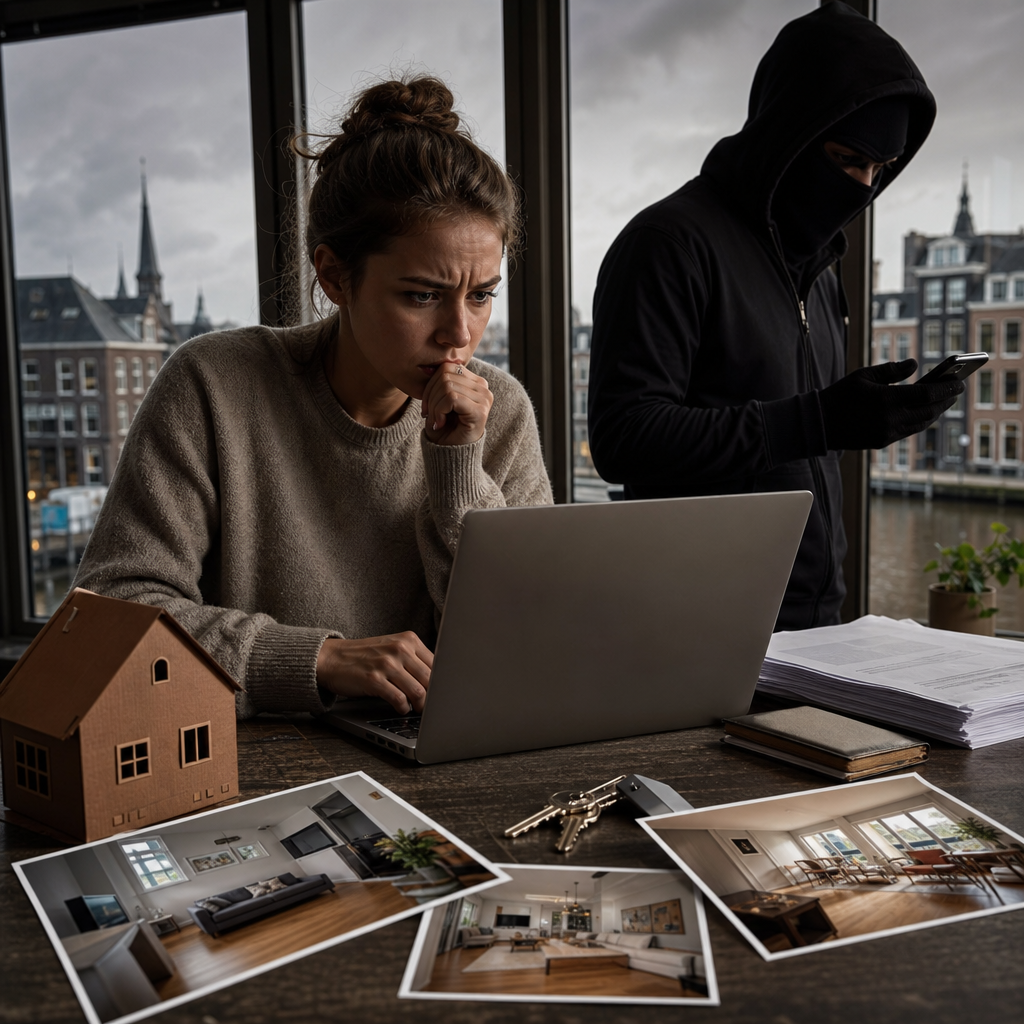
Finding an apartment in 2026 has become both easier and riskier. While platforms like Facebook Marketplace, Telegram groups, and Reddit threads unlock thousands of housing opportunities, they have also opened the door to a wave of increasingly sophisticated fraudsters. A rental scam can cost you not just your deposit, but weeks of stress and even your ability to secure legitimate housing on time.
Whether you're a student moving to Berlin, an expat relocating to Barcelona, or a young professional hunting for a room in Brooklyn, understanding how fake landlords operate is your best protection. In this guide, we break down the warning signs, real-world examples, and practical steps to avoid rental fraud — and how Roogle helps you rent with confidence.
Why Rental Scams Are Booming in 2026
The global housing crunch has created the perfect storm for scammers. Demand vastly outweighs supply in most European capitals and major US cities, and desperate renters are more likely to lower their guard. Add AI-generated photos, deepfake video tours, and cloned listings, and you get an ecosystem where a fake rental listing can look flawlessly professional.
According to recent consumer protection reports, rental fraud complaints across the EU and US rose by over 40% between 2024 and 2026. The most common losses? Advance deposits ranging from €500 to €3,000, sent to someone the tenant had never met in person.
Where Scams Typically Appear
- Facebook Marketplace and community groups
- Telegram and WhatsApp housing channels
- Instagram Reels advertising "exclusive" apartments
- Craigslist and low-moderation classified sites
- Even cloned listings on trusted portals
The 7 Biggest Warning Signs of a Fake Landlord
Most scams follow surprisingly similar patterns. If you learn to recognize these red flags, you can filter out 90% of fraudulent posts before wasting a single minute.
1. The Price Is Suspiciously Low
If a two-bedroom in central Amsterdam is listed at €800 when the market average is €2,200, it's not a bargain — it's bait. Scammers use unrealistically attractive pricing to trigger urgency and cloud judgment.
2. The "Landlord" Refuses to Meet in Person
Common excuses include being a missionary abroad, a diplomat stationed overseas, or a doctor working in another country. The story always ends the same way: they need you to wire a deposit before you can see the apartment.
3. Pressure to Pay Immediately
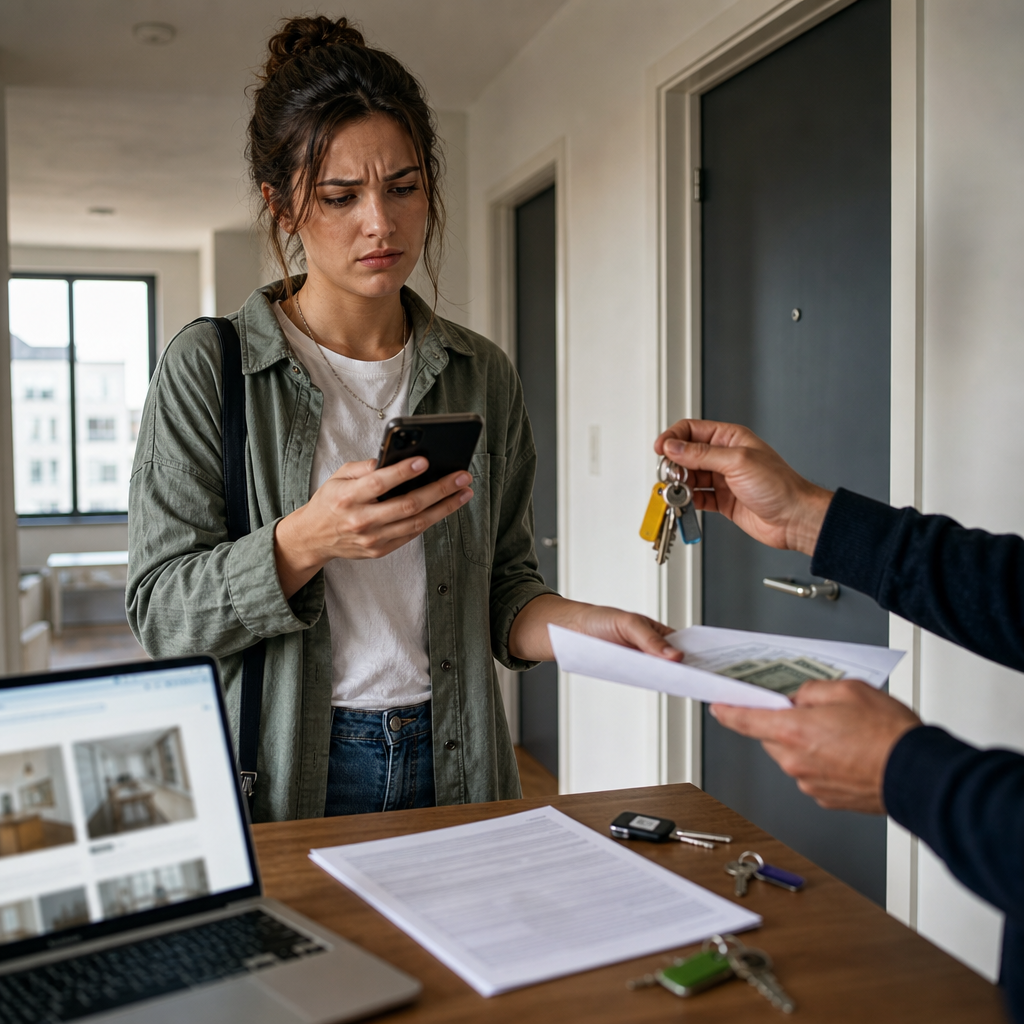
"Three other people want it — send the deposit today to secure it." A legitimate landlord will never rush you into a rental deposit scam without a signed contract, ID verification, and a physical viewing.
4. Requests for Wire Transfers, Crypto, or Gift Cards
These payment methods are irreversible and untraceable. No serious landlord in 2026 asks for rent in Bitcoin or Amazon gift cards.
5. Poor Grammar or Copy-Pasted Descriptions
Run a quick Google search on the listing text. If the same description appears on 15 different sites in 5 different cities, you've found a scam template.
6. Reverse Image Search Reveals the Photos Elsewhere
Scammers steal photos from real estate sites, Airbnb, or Pinterest. Right-click any image and run a reverse search on Google or TinEye — you'll often find the original within seconds.
7. The Contract Looks "Off"
Missing landlord ID, no property address, vague clauses, or a template downloaded from a random website are all major red flags.
Real-World Mini Cases
Case 1 — Paris, March 2026: A student found a beautiful studio near Gare du Nord for €650. The "owner" claimed to be a French expat in Dubai and asked for a €1,300 deposit via international transfer. The photos turned out to be from a Milan Airbnb.
Case 2 — Munich, January 2026: A Telegram group listing offered a WG room for €400. The scammer even sent a fake ID and a signed "contract." After payment, the account vanished within 24 hours.
Case 3 — Austin, Texas: A remote worker paid a $1,500 deposit for a house he found on Facebook. When he arrived, the real owners were living there — they had no idea their home was being marketed.
How to Verify a Rental Listing Like a Pro
Before you send a single euro or dollar, run through this checklist to verify rental listing authenticity:
- Reverse image search every single photo
- Google the landlord's name and phone number
- Request a live video tour with a timestamp ("show me today's newspaper")
- Check property registry records where publicly available (e.g., Land Registry UK, Grundbuch DE, catastro ES)
- Insist on an in-person viewing or send a trusted friend
- Never pay before signing a legally valid contract
- Use traceable payments and avoid crypto or wire transfers to individuals
Trust Your Gut
If something feels wrong — the tone of messages, the urgency, the reluctance to answer questions — walk away. There will always be another apartment. There won't always be another €2,000.
How Roogle Helps You Rent Safely
This is exactly where Roogle changes the game. Roogle is a first-of-its-kind aggregator that pulls scattered rental posts from Facebook, Telegram, Instagram, WhatsApp, Reddit, and community forums, then transforms them into structured, filterable listings with real-time alerts.
Here's how Roogle protects your search:
- Direct links to original sources — you always see where a listing came from, so you can evaluate its credibility yourself
- Structured data makes it easier to spot copy-paste scam patterns across channels
- Real-time alerts via Telegram, Email, and Push notifications so you reach legitimate landlords first — before scammers exploit the urgency
- Access to hidden community listings from trusted groups, where fraud rates are historically lower
- Hours saved on manual searching means more time to properly verify each opportunity
Roogle doesn't just save you time — it restores trust to the rental process by giving you visibility, context, and speed.
Conclusion: Rent Smart, Rent Safe
Rental fraud is not going away in 2026 — it's evolving. But so are the tools to fight it. By learning the warning signs, verifying every listing, and using a smart aggregator like Roogle, you can find your next home without falling victim to a fake landlord.
Ready to make your search faster, smarter, and safer? Visit roogle.app today, set up your personalized alerts, and discover why thousands of renters across Europe and the US are already trusting Roogle to find their next home.
Looking for rentals now?
Search hidden community listings across Facebook, Telegram, Reddit, forums and more — in one live feed with instant alerts.