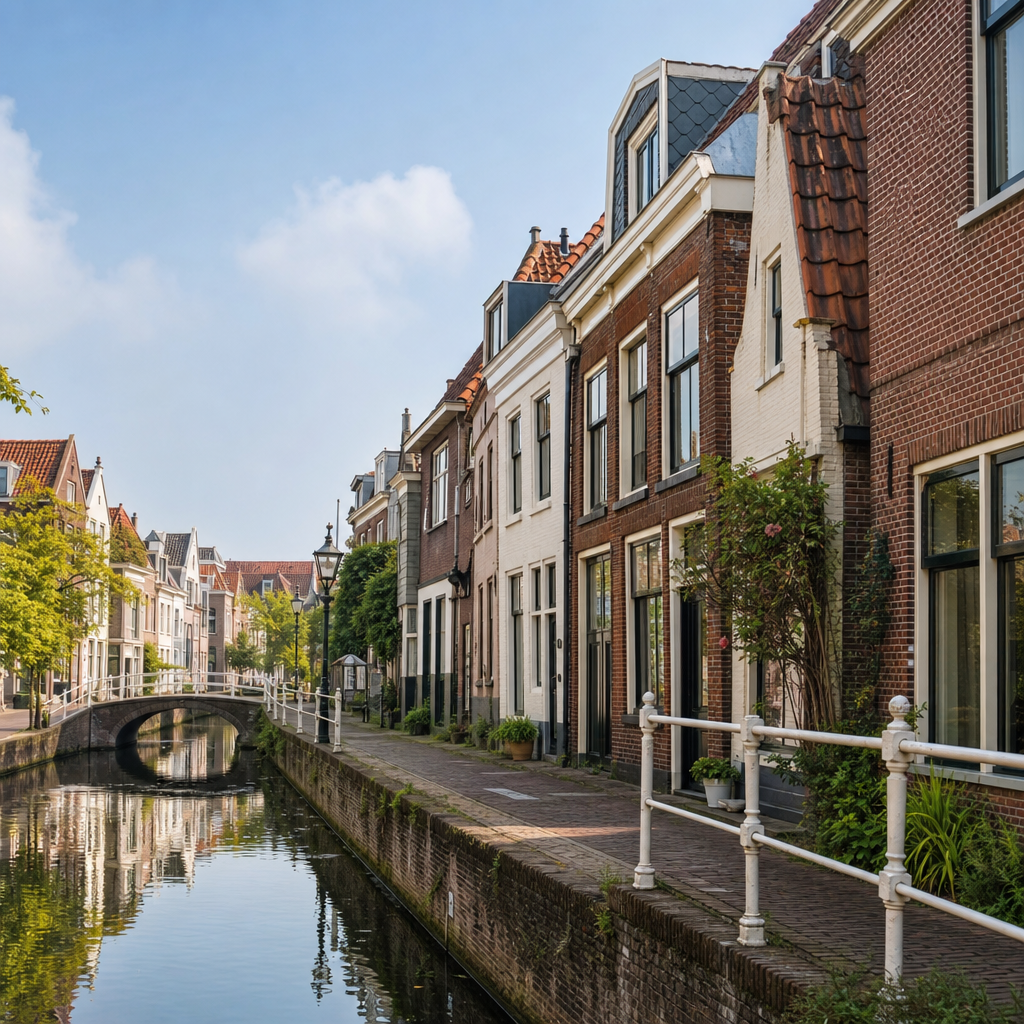
German Rental Homes Outside the Big Cities: Where to Look
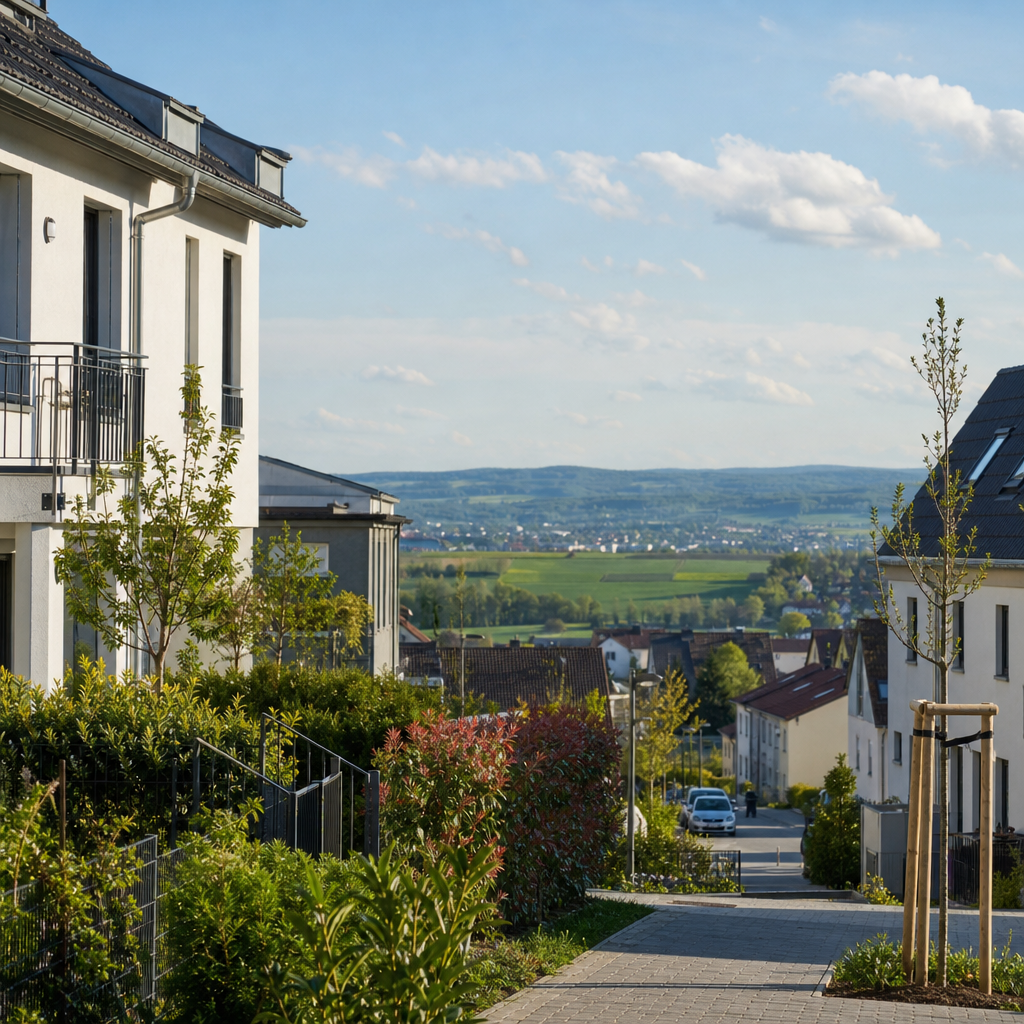
The German rental market has shifted dramatically over the past few years. While Berlin, Munich, Hamburg, and Frankfurt continue to dominate headlines with record-high rents and impossibly long waiting lists, a quieter story is unfolding in the country's mid-sized cities and commuter towns. More renters, both German locals and international newcomers, are discovering that the best value in german rental homes often lies outside the metropolitan cores.
This guide explores where to look, what to expect, and how to navigate the regional differences in the German rental market. Whether you are an expat relocating for work, a student searching for something more affordable than a shared city apartment, or a family looking for space and greenery, understanding the geography of housing in Germany can transform your search. And if you want to skip the manual scrolling through dozens of Facebook groups and Telegram channels, platforms like Roogle are quietly changing how people find homes beyond the big cities.
Why German Rental Homes Are Cheaper Beyond the Metro Areas
The economics of germany home rentals follow a familiar pattern: demand concentrates where jobs, universities, and cultural attractions cluster, and prices rise accordingly. But Germany has a unique advantage compared to many other European countries: an unusually strong network of mid-sized cities, each with its own economy, universities, and cultural life. This decentralization means renters have real alternatives.
In cities like Munich or Frankfurt, a two-bedroom apartment can easily exceed 1,800 to 2,500 euros per month. Move an hour outside, and comparable homes in germany for rent can be found for 900 to 1,300 euros. The reasons are straightforward:
- Lower land values and construction costs
- Reduced competition from international corporate tenants
- Larger housing stock relative to population
- Less speculative pressure on rental prices
- Longer average tenancy periods that stabilize the market
The savings are not just financial. Renters outside the metro areas often report faster response times from landlords, less aggressive bidding wars, and a more human-scale application process. Instead of competing with 80 other applicants for a single Berlin flat, you might be one of five candidates for a spacious home in a well-connected town.
Homes in Germany for Rent in Mid-Sized Cities
Mid-sized German cities, typically those with populations between 100,000 and 500,000, offer a compelling middle ground. They combine urban amenities, reliable public transport, and cultural life with rents that feel almost nostalgic compared to Munich or Hamburg.
Consider these examples worth exploring:
- Leipzig has grown rapidly but still offers germany rental houses at prices well below Berlin, especially in outer districts like Grünau or Paunsdorf.
- Kassel, at the geographic center of Germany, provides excellent train connections and a lively university scene.
- Freiburg attracts sustainability-minded renters with its green infrastructure and proximity to the Black Forest.
- Münster blends historic charm with a strong cycling culture and consistent rental supply.
- Erfurt and Jena in Thuringia offer some of the most affordable house renting in germany for professionals working in tech, research, and healthcare.
- Regensburg, Würzburg, and Augsburg in Bavaria offer alternatives to the Munich pressure cooker while remaining well within reach of southern German job markets.
A young couple relocating from Amsterdam to work remotely, for example, might find a renovated 90-square-meter apartment in Leipzig for the same price as a studio in central Munich. That difference translates into a better quality of life, more savings, and often, a more welcoming local community.
Germany Home Rentals in Commuter Belts
Beyond mid-sized cities, the commuter belts surrounding major metros are increasingly popular for renters who want city-level career opportunities without paying city-level rent. Germany's regional and S-Bahn train networks make daily commutes practical, and many towns within 30 to 60 minutes of a big city have become destinations in their own right.
Around Munich, towns like Rosenheim, Landshut, Augsburg, and Ingolstadt provide substantially cheaper housing in germany for rent while remaining connected by frequent trains. Around Frankfurt, look at Darmstadt, Mainz, Wiesbaden, Hanau, or even smaller villages along the Main-Neckar line. Berlin's commuter belt stretches into Brandenburg, with towns like Potsdam, Oranienburg, Erkner, and Königs Wusterhausen offering more space and greenery for families.
The Rhine-Ruhr region deserves special mention. Because cities like Cologne, Düsseldorf, Essen, Dortmund, and Duisburg are tightly interconnected, you can live in one city and work in another with a manageable commute. This regional polycentric structure gives renters unusual flexibility when hunting for germany rental houses.
Exploring commuter towns systematically is easier when you can filter listings by region and price. The Germany country feed on Roogle aggregates listings from Facebook groups, Telegram channels, WhatsApp communities, and Reddit threads, giving you a single place to compare offers across dozens of small towns without switching between platforms.
House Renting in Germany: Regional Supply Differences
Supply and demand are not evenly distributed across Germany, and understanding these regional dynamics can dramatically improve your search. Broadly speaking:
- Southern Germany (Bavaria, Baden-Württemberg) has strong economies and correspondingly tighter rental markets, though secondary cities remain accessible.
- Western Germany (North Rhine-Westphalia, Rhineland-Palatinate) offers the largest and most varied rental supply, especially in the Ruhr valley.
- Eastern Germany (Saxony, Thuringia, Saxony-Anhalt) still has some of the most affordable rents nationally, though Leipzig and Dresden have narrowed the gap.
- Northern Germany (Lower Saxony, Schleswig-Holstein, Mecklenburg-Vorpommern) offers coastal charm and reasonable prices outside Hamburg and Kiel.
Rural districts in eastern Germany, in particular, sometimes struggle with excess housing supply, which occasionally creates surprisingly good deals for renters willing to live outside the traditional hotspots. A three-bedroom house with a garden in a Saxon village might rent for less than a room in a Berlin shared apartment.
Germany Rental Houses: What You Trade for Lower Rent
Before packing your bags for a small Bavarian town or an eastern German village, it is important to be honest about the trade-offs. Cheaper germany rental houses often come with practical considerations that renters should weigh carefully.
Job market limitations. Not every industry is well represented outside the major cities. If you work in finance, expect Frankfurt or nothing. Tech has spread more broadly, with strong ecosystems in Munich, Berlin, Karlsruhe, and Dresden, but niche specializations may still tie you to specific hubs. Remote work has softened this constraint significantly, but not eliminated it.
Public transport and mobility. In big cities, you rarely need a car. In smaller towns and rural areas, a car is often essential, and this cost should factor into your budget. Some commuter towns are extremely well served by trains, while others may only have hourly bus connections.
International community and services. Cities like Berlin and Munich offer extensive expat networks, English-speaking services, and international schools. Smaller towns require more integration effort and better German language skills. This is not necessarily a downside, but it is a realistic factor for newcomers.
Cultural life and nightlife. A university town like Tübingen or Heidelberg will have plenty of cultural activity. A quiet suburb in the Munich commuter belt may not. Consider your lifestyle honestly before committing.
Property condition and heating costs. Rural and older housing stock can come with higher heating costs, especially in poorly insulated buildings. In 2026, energy efficiency ratings have become a critical factor in the true cost of a rent home in germany. Always ask for the Energieausweis (energy certificate) before signing.
On balance, many renters find the trade-offs worthwhile. More space, quieter surroundings, closer connection to nature, and lower financial stress can outweigh the loss of urban conveniences, especially for families and remote workers.
Tracking Houses to Rent in Germany Across Regions
The biggest practical challenge of searching for houses to rent in germany outside the big cities is fragmentation. There is no single dominant platform that covers every small town. Listings appear on major portals, but also on local Facebook groups, regional Telegram channels, Kleinanzeigen, church community boards, and even printed newspapers in some rural districts.
For a systematic search, a combination of approaches works best:
- Set alerts on the major national portals for the specific towns and districts you are targeting.
- Join regional Facebook groups (many small German towns have active WG and Wohnung groups).
- Follow local Telegram channels, especially in cities with strong student or expat populations.
- Check Kleinanzeigen daily, as private landlords often post there first.
- Use aggregators that pull listings from multiple sources into a single feed.
This is exactly where Roogle changes the game. Instead of manually monitoring dozens of channels, Roogle's search aggregates rental posts from Facebook, Telegram, Instagram, WhatsApp, Reddit, and community forums into structured, filterable listings. You can set live alerts via Telegram, email, or push notifications, so when a landlord in a small town posts a room or a whole house, you hear about it within minutes rather than days. Direct links to the original sources let you contact landlords immediately, which matters enormously when competition is tight.
A typical Roogle user hunting outside the big cities might set filters for a radius around Nuremberg, a maximum rent of 1,200 euros, and a minimum of two rooms. Instead of checking six or seven platforms daily, they receive a curated stream of matching listings, often including offers that never appear on the mainstream portals at all. These 'hidden' community listings are frequently the best deals, because they are shared by private landlords who avoid the fees and hassle of the big portals.
Making Your Move: A Practical Path Forward
The German rental market rewards patience, local knowledge, and a willingness to look beyond the obvious. Mid-sized cities offer the best balance of affordability, amenities, and community. Commuter belts extend the reach of big-city jobs without big-city rents. And regional differences mean that with a bit of research, almost every renter can find something that fits their needs and budget.
Start by identifying two or three regions that match your work situation, transport needs, and lifestyle preferences. Learn the local rental customs, prepare your Schufa credit report and standard application documents, and be ready to move quickly when the right listing appears. Speed matters even outside the metros, though competition is far less brutal than in central Berlin or Munich.
And let technology work for you. The hours you would spend refreshing Facebook groups and scrolling Telegram channels are hours better spent viewing apartments, learning your new neighborhood, or simply living your life. Visit roogle.app, set your filters for the German regions you care about, enable live alerts, and let the listings come to you. Whether you are chasing your first rent home in germany or upgrading to a larger place in a quieter town, Roogle turns the scattered chaos of community rental posts into a clear, actionable stream, so you can focus on what matters: finding a home you actually love.
Looking for rentals now?
Search hidden community listings across Facebook, Telegram, Reddit, forums and more — in one live feed with instant alerts.