How to Find an Apartment in the Netherlands: A Step-by-Step Guide for Newcomers
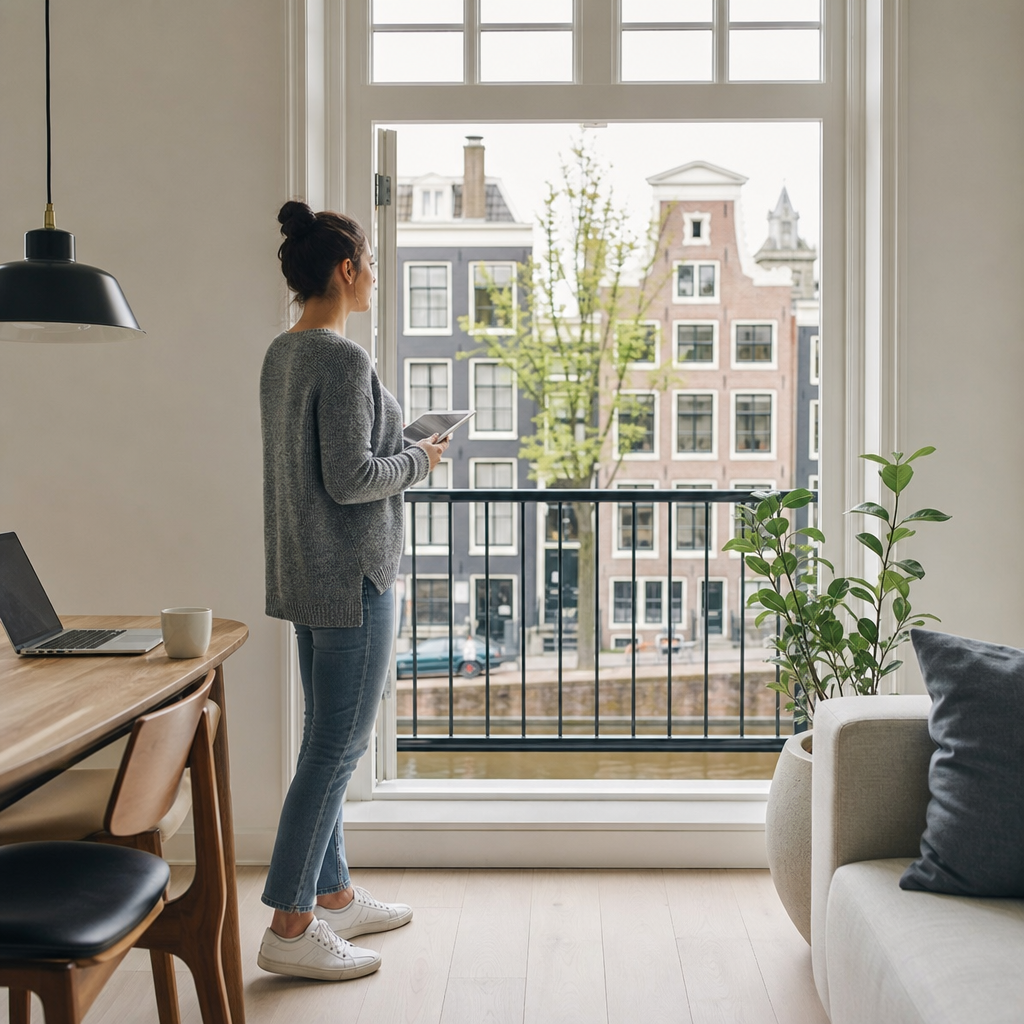
Moving to the Netherlands sounds exciting until you open your first rental portal and see twelve people already queued for a single studio in Utrecht. The Dutch housing market is famously tight, fast-moving and full of unwritten rules that catch newcomers off guard. Whether you are an international student arriving in Groningen, a tech professional relocating to Amsterdam, or a family looking for a house in Eindhoven, this step-by-step guide will show you exactly how to find an apartment in the Netherlands without losing your patience or your deposit.
Why Finding an Apartment in the Netherlands Is Harder Than Elsewhere
Renting in the Netherlands is not like renting in Spain, Germany or the United States. The country has one of the tightest housing markets in Europe, and the imbalance between supply and demand shapes almost every part of the search process. Landlords receive dozens of applications within hours, viewings are packed with competing tenants, and 'first come, first served' is more than a slogan — it is the actual rule.
On top of that, Dutch rentals are split into two very different segments. The social housing sector (sociale huur) is heavily regulated, capped at around 900 euros per month, and reserved primarily for residents with lower incomes and long waiting lists that can stretch beyond a decade in cities like Amsterdam and Utrecht. The free sector (vrije sector) is where most expats and internationals end up, and here prices float freely — often uncomfortably high.
The Dutch Housing Shortage in One Paragraph
The Netherlands is currently short by roughly 400,000 homes, and construction has slowed due to nitrogen regulations, rising interest rates and a shortage of skilled labor. Population growth, international migration and the rise of remote work have all pushed demand higher, especially in the Randstad area (Amsterdam, Rotterdam, The Hague, Utrecht). This structural shortage explains why a decent apartment for rent in the Netherlands can attract fifty applicants in a single day, and why speed matters more than perfection when you search.
Step 1–3: Budget, Documents and Where Dutch Rentals Are Listed
Before you even start scrolling listings, you need three things in order: a realistic budget, a complete document package, and a clear map of where Dutch landlords actually publish their offers. Skipping any of these steps is the number one reason newcomers waste weeks on a fruitless netherlands apartment search.
Step 1: Set a realistic budget. Most landlords in the free sector require your gross monthly income to be three to four times the rent. That means a 1,500 euro apartment typically demands a 4,500 to 6,000 euro monthly salary. Add utilities (gas, electricity, water, internet) of roughly 150 to 250 euros, municipal taxes, and a one-time deposit of one or two months. In Amsterdam, expect studios from 1,400 euros and one-bedrooms from 1,800 euros. In cities like Rotterdam, Groningen or Maastricht, you can still find decent one-bedrooms between 900 and 1,300 euros.
Step 2: Prepare your documents in advance. Dutch landlords and agencies decide fast, and applicants with complete files always win over those who promise to send documents later. Have a ready-to-send folder containing:
- A copy of your passport or ID card
- Your BSN number (or proof that it is being requested)
- An employment contract or job offer letter
- Three most recent payslips or, for students, proof of enrollment and financial support
- Bank statements from the last three months
- A short personal introduction (one paragraph in English is enough)
- A landlord reference from your previous rental if available
Step 3: Understand where Dutch rentals are actually listed. This is where most newcomers lose the game. Public portals show only a fraction of the market, and by the time a listing hits the front page, dozens of people have already applied.
Portals, Facebook Groups and Agencies: Where Listings Appear First
The Dutch rental ecosystem is fragmented across at least four layers. The classic portals (Funda, Pararius, Kamernet, HousingAnywhere) are the visible tip of the iceberg. Below them, dozens of local makelaars (agencies) publish exclusive listings on their own websites first, sometimes 24 to 48 hours before syndicating them. Then there is the informal layer: Facebook groups like 'Apartments Amsterdam', 'Rotterdam Rentals' or 'Expats in The Hague', where private landlords and departing tenants post rooms and flats directly. Finally, Telegram channels, WhatsApp groups and Reddit threads (r/Netherlands, r/Amsterdam) constantly circulate off-market opportunities that never reach the big portals.
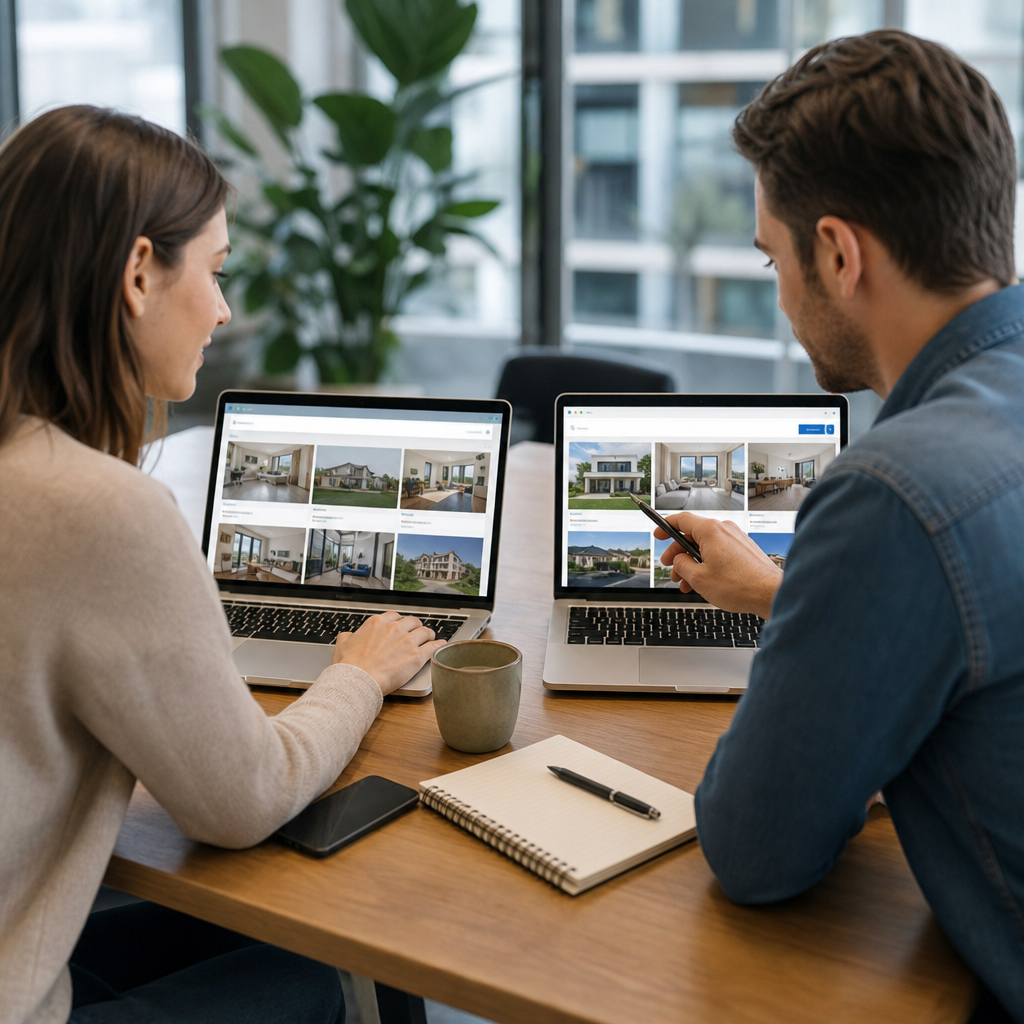
Monitoring all of these manually is essentially a full-time job. This is exactly the problem Roogle was built to solve. Roogle aggregates rental posts from Facebook groups, Telegram channels, Instagram, WhatsApp communities, Reddit and forums, turning scattered messages into clean structured listings with photos, prices and direct links to the original source. Instead of refreshing ten tabs, you can open a single aggregated feed of every Dutch listing at https://roogle.app/search?country=Netherlands and see everything in one place. If you specifically want to catch Facebook posts as they appear, the dedicated stream at https://roogle.app/listings?source=facebook shows only community-sourced offers pulled from Facebook groups across the country.
Step 4–6: Viewings, Applications and Signing a Dutch Rental Contract
Once your budget is clear, your documents are ready and your sources are set up, the real hunt begins. This is where most people find apartment netherlands searches turn into a sprint.
Step 4: React within minutes, not hours. In the Randstad, a good listing under 1,600 euros is often gone within two hours. Set up instant alerts (email, push, Telegram) so you learn about a new apartment the moment it goes live. Send a short, complete first message: your name, occupation, income, move-in date, household composition, and a line confirming you can view the property this week. Attach your document package immediately. A polite, structured message with everything included doubles your chance of getting a viewing invitation.
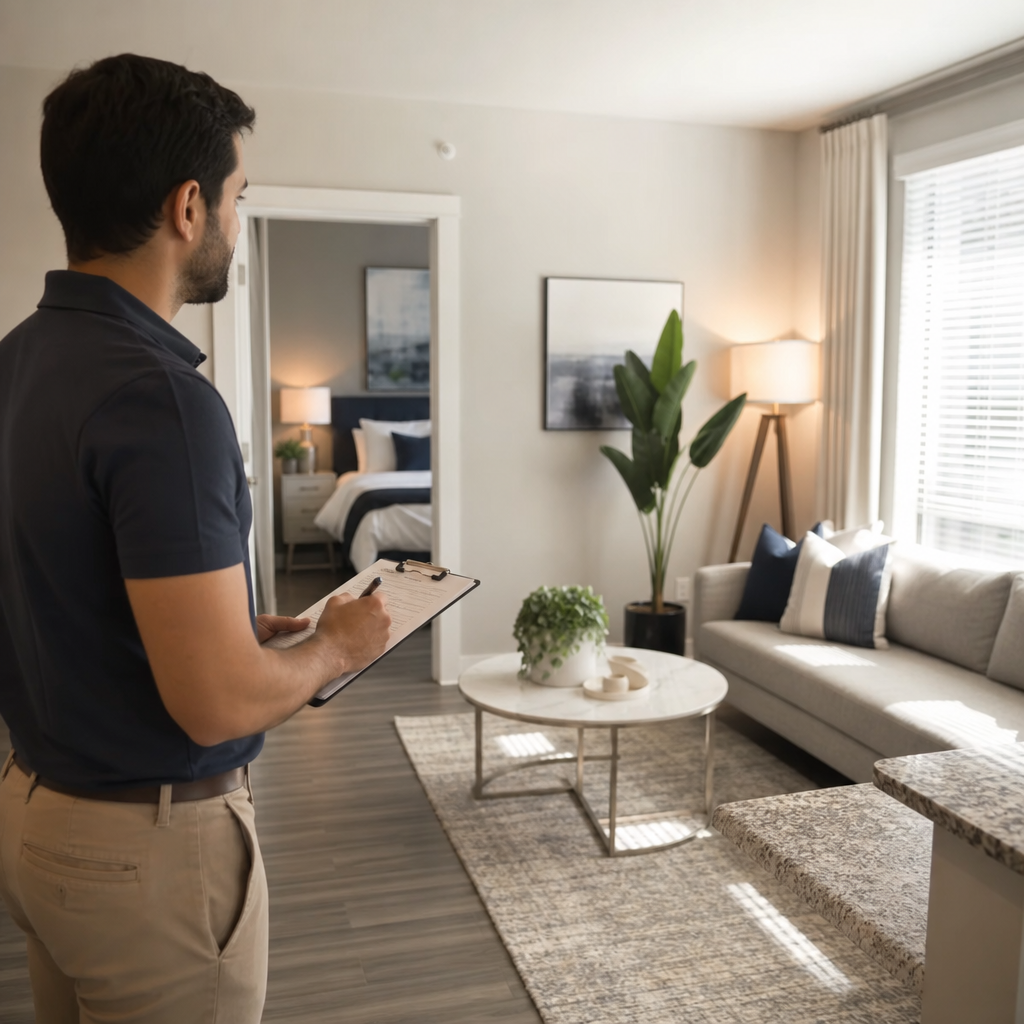
Step 5: Nail the viewing. Dutch viewings are typically group viewings lasting 15 to 20 minutes. Arrive on time, be friendly with the current tenant or agent, and ask concrete questions:
- Is the rent inclusive or exclusive of utilities (inclusief or exclusief)?
- What is the minimum contract length?
- Is registration at the address allowed? (Crucial for your BSN and residency.)
- Who handles maintenance and repairs?
- Are pets, guests or subletting permitted?
Bring your document folder printed or on your phone, and be prepared to say yes on the spot if the apartment fits. Hesitation costs you the flat.
Step 6: Sign the contract carefully. Dutch rental contracts come in two main forms: indefinite (onbepaalde tijd), which gives you strong tenant protection, and fixed-term (bepaalde tijd), typically up to two years for self-contained homes. Check that the contract states the exact rent, service costs, deposit amount (legally capped at two months), notice period (usually one month for tenants), and the end date if applicable. Never pay a deposit before signing, never transfer money to a landlord you have not met or verified, and always request a written inventory of the apartment's condition with photos on move-in day.
If the rent seems too high, remember that the Huurcommissie (Rent Tribunal) can review contracts in the regulated segment and, in some cases, in the free sector as well. Knowing your rights is part of renting in the Netherlands responsibly.
One Feed for Every Netherlands Rental Listing
The honest truth about huurwoning zoeken in the Netherlands is that success depends less on luck and more on coverage and speed. The candidate who sees a new listing five minutes after it is posted, with documents already prepared, wins the apartment. The one who checks Funda once a day rarely does.
Roogle was designed precisely for this reality. Instead of jumping between Funda, Pararius, five Facebook groups, three Telegram channels and a couple of Reddit threads, you get a single unified feed that pulls from all of them in real time. You can filter by city, price, number of rooms and source, save your searches, and receive instant notifications on Telegram, email or push the moment something matching your criteria appears. Every listing links back to the original post, so you can message the landlord or poster directly without any middleman.
For internationals, students and remote workers who cannot camp on Dutch portals all day, this coverage is often the difference between signing a contract in two weeks and still searching after two months.
Ready to stop refreshing tabs and start viewing apartments? Explore the full aggregated search at https://roogle.app/search, set up your alerts, and let the Dutch rental market come to you instead of the other way around. Your next home in the Netherlands is probably already posted somewhere — Roogle just makes sure you see it first.
Looking for rentals now?
Search hidden community listings across Facebook, Telegram, Reddit, forums and more — in one live feed with instant alerts.