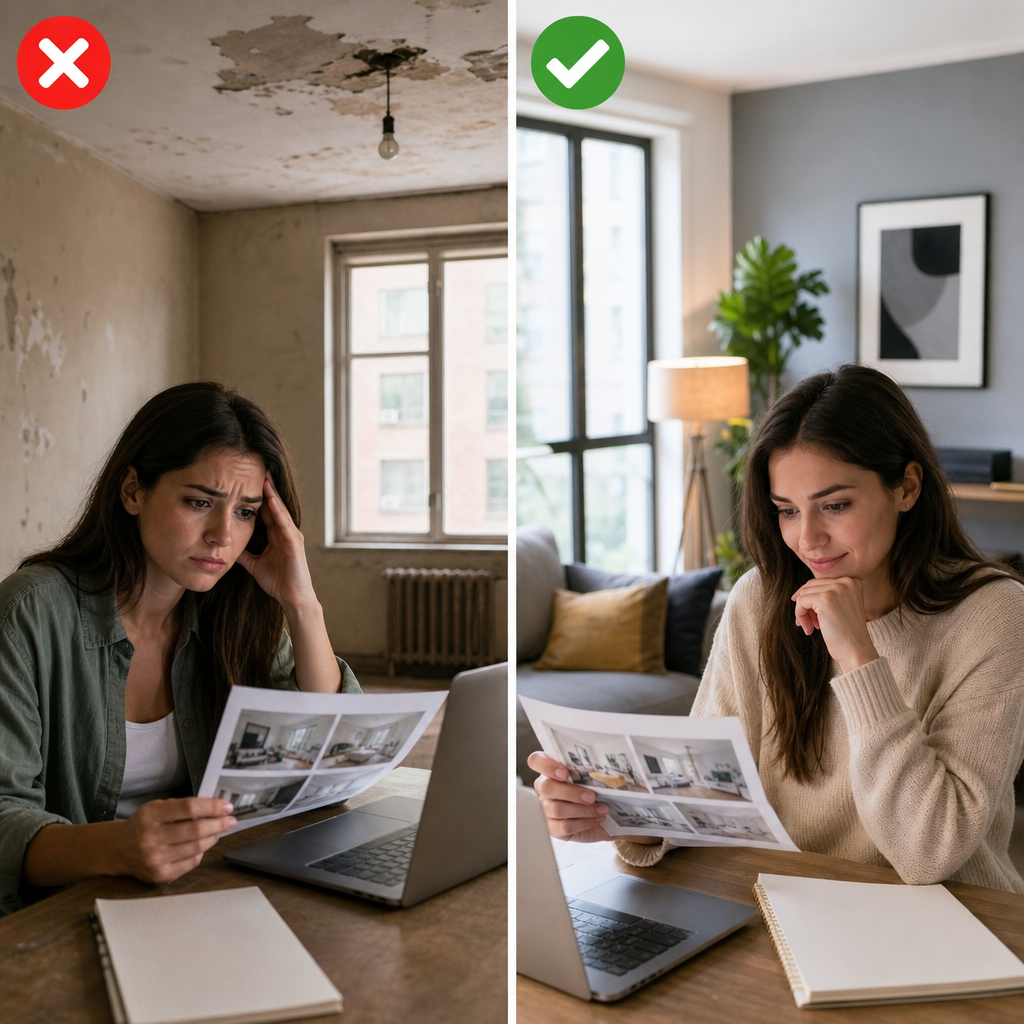
Scrolling through dozens of rental ads every day can feel like navigating a maze. Some listings look perfect at first glance, only to reveal serious issues once you contact the landlord. Others seem modest but turn out to be hidden gems. In 2026, with rental markets in cities like Barcelona, Berlin, Paris, and New York tighter than ever, knowing how to read a listing like a pro is a crucial skill.
This guide breaks down the red flags that should make you pause and the green flags that signal a trustworthy, high-quality offer. Whether you're looking for an apartment for rent Barcelona locals recommend or hunting for a room in another European capital, these principles will help you make smarter, faster decisions.
Why Reading Listings Carefully Matters
A rental listing is more than a description — it's a document full of subtle clues. Landlords, agencies, and private posters reveal their professionalism, honesty, and expectations through the way they write.
A careless approach to reading listings can lead to:
- Wasted hours visiting properties that don't match the description
- Scams involving fake deposits or non-existent apartments
- Signing contracts with hidden fees or unclear terms
- Missing out on genuinely great offers because you didn't respond fast enough
Spotting patterns quickly is essential when you want to find apartment fast, especially in competitive markets where good listings vanish within hours.
The Biggest Red Flags in a Rental Listing
Some warning signs are obvious. Others are subtle and only visible if you know what to look for. Here are the ones to watch out for.
1. Prices That Seem Too Good to Be True
If a two-bedroom apartment in central Barcelona is offered at €600/month while similar listings ask €1,500, something is wrong. Scammers use unbelievably low prices to attract clicks and pressure people into paying deposits before visiting.
2. No Photos or Recycled Stock Images
A serious landlord will always show real interior photos. Watch out for:
- Only one photo of the building's exterior
- Blurry, low-resolution images
- Photos that appear on multiple different listings (try reverse image search)
- Perfectly staged, magazine-style shots that look like catalog imagery
3. Pressure to Pay Before Visiting
A classic scam involves a landlord who claims to be abroad and asks for a deposit or first month's rent via bank transfer or crypto — before you've even seen the apartment. Never send money before a physical visit or verified video tour.
Professional landlords include specifics: exact square meters, neighborhood, floor, heating type, and availability date. Listings that avoid concrete details often hide problems.
5. Poor Grammar and Copy-Pasted Text
While not every landlord is a professional writer, a listing riddled with translation errors, strange phrasings, or generic descriptions copied from other ads is a red flag — especially if you're exploring rental listings direct from owner.
Green Flags: Signs of a Trustworthy Listing
Spotting good listings is just as important as avoiding bad ones. Here are the signals that indicate quality.
1. Detailed, Consistent Descriptions
Green-flag listings include:
- Exact address or clearly defined neighborhood
- Room-by-room description
- Information about utilities, deposit, and contract length
- Rules about pets, smoking, and guests
2. Multiple, Recent Photos
Look for photos from different angles, including less flattering ones like the bathroom, kitchen, and storage areas. Natural lighting and visible personal details (a plant, a coffee cup) often mean the images are recent and real.
3. Transparent Financial Terms
A reliable ad clearly states:
- Monthly rent
- Deposit amount
- Utility costs (included or separate)
- Any agency fees (or confirmation that you can rent without agency)
4. Reasonable Response Expectations
Good landlords ask for a rental application checklist: proof of income, ID, references, and sometimes a short introduction. This is a green flag — it shows they take tenant selection seriously and follow legal procedures.
How to Verify a Listing Before Committing
Even the most promising ad deserves a quick verification process. Here's a practical checklist:
- Reverse image search the photos to see if they appear elsewhere
- Check the address on Google Maps and Street View to confirm the building exists and matches the photos
- Search the landlord's name or phone number — scammers often reuse contact details
- Ask specific questions about the neighborhood, nearby transport, or building details a real owner would know
- Request a video call if you can't visit in person
Real Example: A Barcelona Listing Checked in 5 Minutes
Imagine you find a beautiful flat in Eixample for €1,100/month. You reverse-search the photos — they appear on a listing from Madrid two years ago. You check the address on Street View — the building doesn't match. Total time invested: 5 minutes. Total money saved: potentially thousands of euros.
Where the Best Listings Actually Live
Here's a truth many renters discover too late: some of the best offers never appear on the big traditional portals. They're posted in Facebook groups, Telegram channels, WhatsApp communities, Reddit threads, and Instagram stories — often by owners who want to avoid fees and paperwork.
The challenge? These posts are scattered, unstructured, and disappear quickly. Monitoring dozens of groups manually is exhausting and nearly impossible if you have a full-time job or study schedule.
This is exactly the problem Roogle was built to solve. Roogle aggregates rental posts from social networks and community platforms across Europe and the US, turning chaotic messages into clean, structured listings you can filter, save, and act on immediately.
What Roogle Does Differently
- Real-time alerts via Telegram, Email, or Push notifications when a listing matches your criteria
- Direct links to the original post so you can contact the owner without middlemen
- Access to hidden inventory from private communities you wouldn't normally find
- Time saved — no more scrolling through 20 groups a day
For someone searching for rental listings direct from owner, Roogle is a game-changer because it surfaces exactly the kind of no-agency, community-driven offers that get snapped up within hours.
Your Rental Application Checklist
Once you've found a green-flag listing, being prepared to apply quickly can make the difference between getting the apartment and losing it. Have this ready:
- Copy of your ID or passport
- Proof of income (last 3 payslips or contract)
- Bank statements or savings proof
- Employer or previous landlord reference
- A short, friendly introduction message
Send everything in one clean email or message. Landlords receive dozens of applications — the organized ones stand out.
Conclusion: Search Smarter, Not Harder
Reading a rental listing like a pro means treating every ad as a puzzle. Red flags — vague descriptions, suspicious prices, pressure tactics — should send you running. Green flags — transparent details, real photos, clear terms — deserve a fast, well-prepared response.
Combine these skills with a smart tool, and your rental search becomes dramatically shorter and safer. Instead of drowning in tabs and outdated ads, you can focus on the offers that actually deserve your time.
Ready to stop scrolling and start finding? Visit roogle.app to explore aggregated listings from across Facebook, Telegram, Reddit, WhatsApp, and more — with instant alerts that put you first in line for the best deals in Barcelona, Berlin, Paris, and beyond.