
How to Rent Remotely From Another Country: A 2026 Expat Guide to Austria
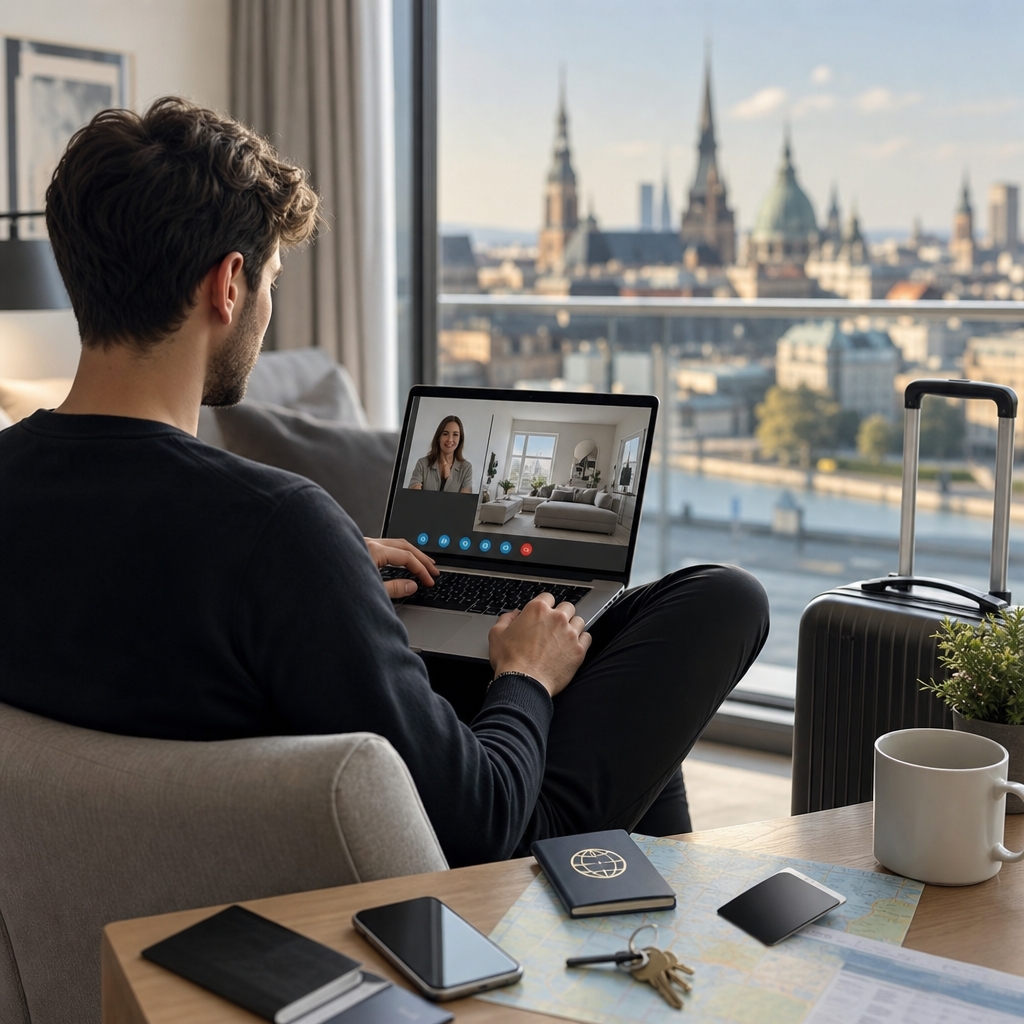
Signing a lease in a country you've never set foot in used to sound reckless. In 2026, it's simply how modern expat relocation works. Whether you're a software engineer moving to Vienna, a PhD student heading to Graz, or a family relocating for a corporate assignment, the reality is the same: you need a place to live before your flight lands.
The good news? Renting remotely has become dramatically easier — if you know where to look, whom to trust, and how to move fast. This guide walks you through the entire process of securing housing from abroad, with a special focus on moving to Austria, one of Europe's most competitive rental markets in 2026.
Why Remote Renting Has Become the New Normal
Just a few years ago, most expats booked a hotel for two weeks and searched for apartments in person. Today, that strategy is risky. In cities like Vienna, Salzburg, and Innsbruck, quality listings often disappear within hours — sometimes minutes — of being posted.
Three major shifts have reshaped the market:
- Hybrid work has increased demand for long-term furnished rentals.
- Housing supply in Austrian metros hasn't kept pace with population growth.
- Community-based listings on Facebook, Telegram, WhatsApp, and Reddit now outnumber traditional portal listings.
For anyone planning to relocate to Austria, this means one thing: you can no longer rely solely on Immobilienscout24 or Willhaben. The best deals live in closed groups, expat forums, and messaging channels — exactly the places most newcomers can't easily monitor.
Step 1: Understand the Austrian Rental Landscape
Before you send a single inquiry, get familiar with how expat housing Austria actually works.
Types of Rentals You'll Encounter
- Hauptmiete (main lease): Long-term contracts, usually 3+ years, tightly regulated.
- Untermiete (sublease): More flexible, often furnished, popular with expats.
- WG (Wohngemeinschaft): Shared flats — the go-to option for students and young professionals.
- Serviced apartments: Higher cost but zero paperwork, great as a landing pad.
Typical Requirements
Austrian landlords traditionally ask for:
- Meldezettel (registration certificate)
- Proof of income (3 payslips) or employment contract
- A guarantor (Bürge) for students or new arrivals
- Deposit of 3 months' rent
If you're wondering about rent without guarantor Austria options — yes, they exist, especially in the WG and sublet market, but you need to find them quickly before someone else does.
Step 2: Build Your Remote Rental Toolkit
Successful expat relocation hinges on preparation. Before you start applying, assemble a digital dossier that landlords can trust at first glance.
Documents to prepare in advance:
- Passport scan and visa/residence status
- Employment contract or admission letter
- Bank statements from the last 3 months
- A short introduction letter (in German and English)
- References from previous landlords, if possible
Having these ready in a single PDF folder can literally be the difference between securing a flat and losing it to the next applicant.
Step 3: Search Where the Real Listings Live
Here's the uncomfortable truth about renting in Austria as expat: most of the best flats never appear on the big portals. They circulate first among friends, then in Facebook groups like "Wohnungen Wien," then on Telegram channels, and only later — if at all — on public sites.
Monitoring dozens of these sources manually is a full-time job. That's exactly the problem Roogle was built to solve.
How Roogle Changes the Game
Roogle aggregates rental posts from Facebook, Telegram, Instagram, WhatsApp, Reddit, and community forums, turning chaotic messages into structured, searchable listings. Instead of scrolling endlessly, you set your criteria once — city, budget, room count, furnished or not — and receive real-time alerts via Telegram, email, or push notification the moment a matching listing appears.
Every alert links directly to the original source, so you can contact the landlord within minutes, not hours.
Mini use-case: Julia, a data analyst from Barcelona, was planning her move to Vienna in March 2026. In her first week using Roogle, she received 14 alerts for pet-friendly one-bedrooms under €1,100. She signed a lease on the third one — from her sofa in Barcelona.
Step 4: Vet Listings and Avoid Scams
Remote renting attracts fraudsters. If a deal looks too good, it usually is.
Red flags to watch for:
- Landlord "abroad" who can't show the apartment
- Requests for deposit via Western Union, crypto, or gift cards
- Prices 30%+ below market average
- Pressure to pay before signing a contract
- Photos that appear on multiple listings (reverse image search them)
Safe practices:
- Always request a live video tour, not pre-recorded
- Verify the landlord's identity via ID and property document (Grundbuchauszug)
- Never transfer money before a signed contract
- Use an escrow service or a relocation agent for high-value deposits
Step 5: Close the Deal From Abroad
Once you've found the right place, closing remotely is straightforward in 2026. Austria widely accepts qualified electronic signatures (QES) for rental contracts. Combined with digital ID verification, you can sign a legally binding lease without ever printing a page.
Typical remote signing flow:
- Landlord sends the draft contract by email
- You review (ideally with a bilingual lawyer or relocation consultant)
- Both parties sign via a QES platform
- Deposit is transferred to a designated Mietkautionskonto
- Keys are handed over on arrival, or via a trusted local contact
Step 6: Prepare for the First 30 Days After Landing
Securing the apartment is only half the journey of relocating to Austria. Once you arrive:
- Register your address at the Meldeamt within 3 days
- Open an Austrian bank account (N26, Erste, or Bank Austria)
- Set up utilities and internet (Magenta, A1, Drei)
- Get your e-card and health insurance registration
- Consider joining local expat groups for ongoing tips
Final Thoughts: Rent Smart, Not Hard
Remote renting isn't about luck — it's about speed, information, and preparation. The expats who succeed in 2026 aren't the ones with the biggest budgets; they're the ones who see the right listing first and act within minutes.
That's exactly why platforms like Roogle exist. By turning fragmented community posts into instant, structured alerts, Roogle gives international movers the same insider access that locals have always enjoyed.
Ready to start your expat relocation journey with confidence? Visit roogle.app today, set up your custom alerts, and let the perfect Austrian apartment come to you — no matter where in the world you're searching from.
Looking for rentals now?
Search hidden community listings across Facebook, Telegram, Reddit, forums and more — in one live feed with instant alerts.