
How to Search for Rentals Near Public Transport: The Smart Commuter's Guide for 2026
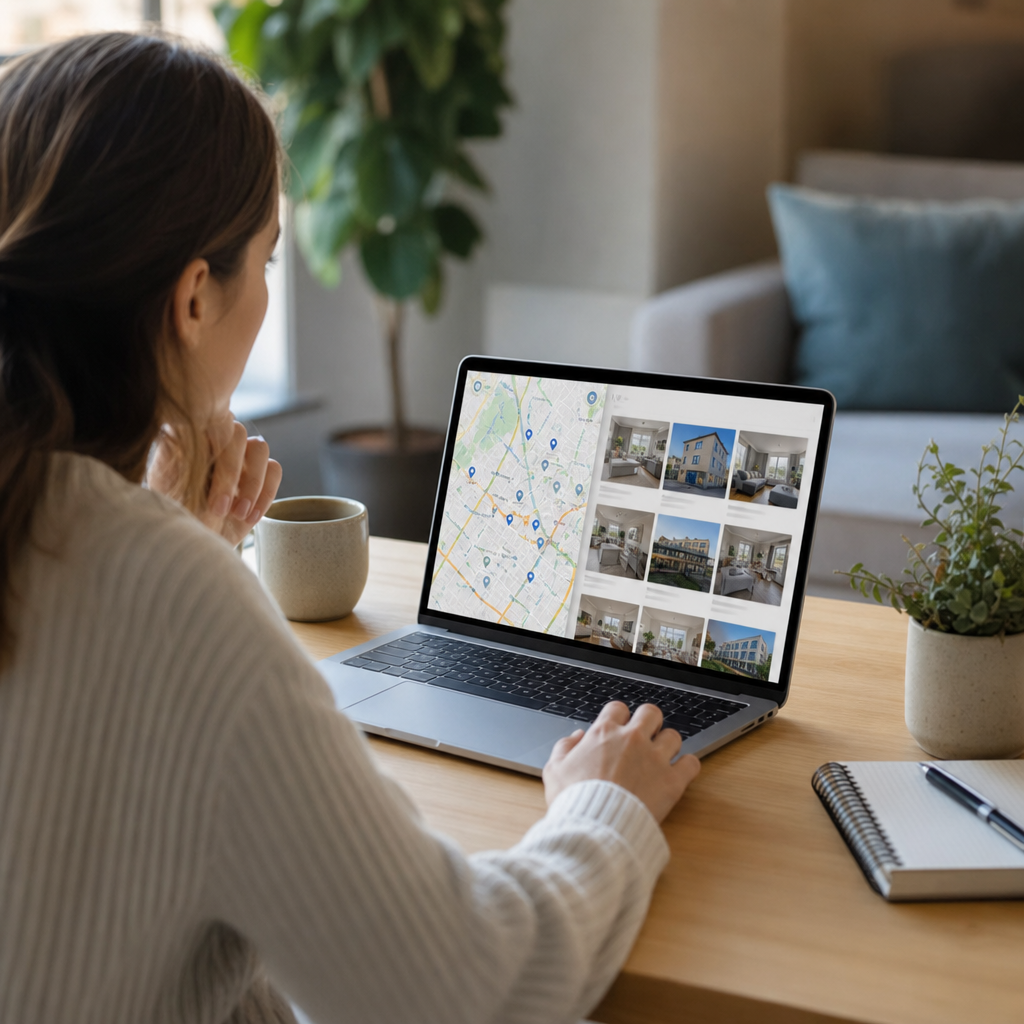
Finding an apartment close to a metro station, tram stop, or train hub can transform your daily life. A well-connected home means shorter commutes, lower transportation costs, and more time for what matters. But how do you actually locate these gems in competitive cities like Lisbon, Berlin, Paris, or New York? This guide walks you through a modern, transit-focused rental search strategy for 2026.
Why Proximity to Public Transport Matters More Than Ever
In 2026, urban rental prices continue to climb, and commuters increasingly value time over square meters. Living within a 10-minute walk of a station can save you 60–90 minutes per day, cut fuel and rideshare costs, and even reduce your carbon footprint.
For international students, expats, and professionals relocating, transit access is often more important than neighborhood prestige. A slightly smaller apartment for rent Lisbon-side, near a metro line, often beats a bigger place stranded in the suburbs.
Key benefits of transit-adjacent living
- Faster commutes and predictable travel times
- Reduced need for a private car
- Easier weekend mobility and social life
- Higher long-term resale and rental value
- Better access to jobs, universities, and healthcare
Step 1: Define Your Transit Priorities Before You Search
Before diving into listings, get specific about your mobility needs. A vague search leads to endless scrolling; a precise one helps you find apartment fast.
Ask yourself:
- Which stations or lines serve my workplace or university?
- What's my maximum acceptable walking distance? (Typically 5, 10, or 15 minutes)
- Do I need a direct line, or am I willing to transfer once?
- Are night buses or weekend service important to me?
- Do I bike? If so, are there secure bike parking and cycle lanes nearby?
Write these answers down. They become the filters for every listing you evaluate.
Step 2: Use Maps and Isochrones to Draw Your Search Zone
Rather than searching by neighborhood name, search by travel time. Modern tools let you draw an "isochrone" — a zone reachable within, say, 20 minutes by public transit from your office.
Practical tools to use
- Google Maps and Citymapper for transit routing
- Mapumental or TravelTime for isochrone mapping
- Moovit for real-time schedules in over 3,500 cities
Once you know your target zone, cross-reference it with rental platforms. This is where most renters lose hours — jumping between five apps to check whether a listing is actually close to a station.
Step 3: Tap Into Community and Direct-from-Owner Listings
The best transit-friendly apartments rarely stay on major portals for long. Locals post them first in Facebook groups, Telegram channels, WhatsApp communities, and Reddit threads. This is especially true if you want to rent without agency fees.
Examples of hidden sources:
- Facebook groups like "Lisbon Rentals Direct from Owner"
- Telegram channels for expats in Berlin or Barcelona
- University WhatsApp groups for students in Paris or Madrid
- Neighborhood-specific subreddits in New York and Chicago
These channels offer rental listings direct from owner, meaning no commission, faster responses, and often better prices. The downside? They're chaotic, unstructured, and scattered across dozens of platforms.
How Roogle solves the scattered-listings problem
This is exactly where Roogle shines. Roogle aggregates rental posts from Facebook, Telegram, Instagram, WhatsApp, Reddit, and community forums, then structures them into clean, searchable listings. You can filter by proximity to metro lines, set live alerts, and get notified via Telegram, email, or push notification the moment a matching apartment appears — with a direct link to the original poster.
Instead of monitoring 15 groups manually, you monitor one dashboard.
Step 4: Evaluate Listings With a Transit Lens
Once you've got promising listings, don't just trust the ad's claim of "5 minutes from the metro." Verify it yourself.
Your transit verification checklist
- Paste the address into Google Maps and check walking time to the nearest station
- Confirm which lines actually stop there (some "stations" are minor stops)
- Check first and last train times — crucial for shift workers and nightlife lovers
- Look at frequency during off-peak hours
- Visit during rush hour if possible to gauge real conditions
A listing described as "near Alameda station" in Lisbon might be a pleasant 7-minute walk — or a 20-minute uphill hike. Verify before you commit.
Step 5: Prepare Your Rental Application Checklist in Advance
In hot rental markets, well-connected apartments get snapped up in hours. To win, have your rental application checklist ready before you even view the property.
Typical documents required in Europe and the US include:
- Government-issued ID or passport
- Proof of income (last 3 payslips or bank statements)
- Employment contract or university enrollment letter
- Previous landlord reference (when applicable)
- Tax ID number (NIF in Portugal, NIE in Spain, Steuer-ID in Germany)
- Guarantor documentation, if required
Having these in a single PDF folder means you can respond within minutes of seeing a listing — a decisive advantage.
Step 6: Set Up Live Alerts and Act Fast
Speed wins in transit-hub rentals. The apartment two minutes from Rossio metro won't wait for you to check your email tomorrow morning.
Winning tactics
- Configure Roogle push alerts for your exact criteria (budget, size, station radius)
- Respond to owners within 15 minutes of a listing going live
- Send a short, polished introduction message with your key details
- Offer to view the apartment the same day
- Have your documents ready to attach immediately
This approach consistently beats renters who rely on weekly portal browsing.
Real Example: A Transit-First Search in Lisbon
Maria, a graphic designer relocating from Madrid, needed an apartment for rent Lisbon-based, within 15 minutes of her office near Marquês de Pombal. Traditional portals showed overpriced options with agency fees. She switched to Roogle, filtered by metro stations on the Yellow Line, and enabled Telegram alerts.
Within 48 hours, she received three notifications for pisos de particulares-style direct-owner listings. She viewed two the next day and signed a lease on the second — a bright one-bedroom, 6 minutes from Picoas station, at 15% below market rate.
Conclusion: Search Smarter, Commute Less
A transit-focused rental search is one of the highest-return investments you can make in your quality of life. Define your zone, tap community sources, verify claims, prepare your documents, and act fast when the right listing appears.
Ready to stop scrolling through fifteen Facebook groups every morning? Visit roogle.app today, set up your personalized alerts, and discover how the smartest renters in Europe and the US are finding their next home — before anyone else even sees the listing.
Looking for rentals now?
Search hidden community listings across Facebook, Telegram, Reddit, forums and more — in one live feed with instant alerts.