The 'I'm Abroad, Just Send the Deposit' Scam Explained
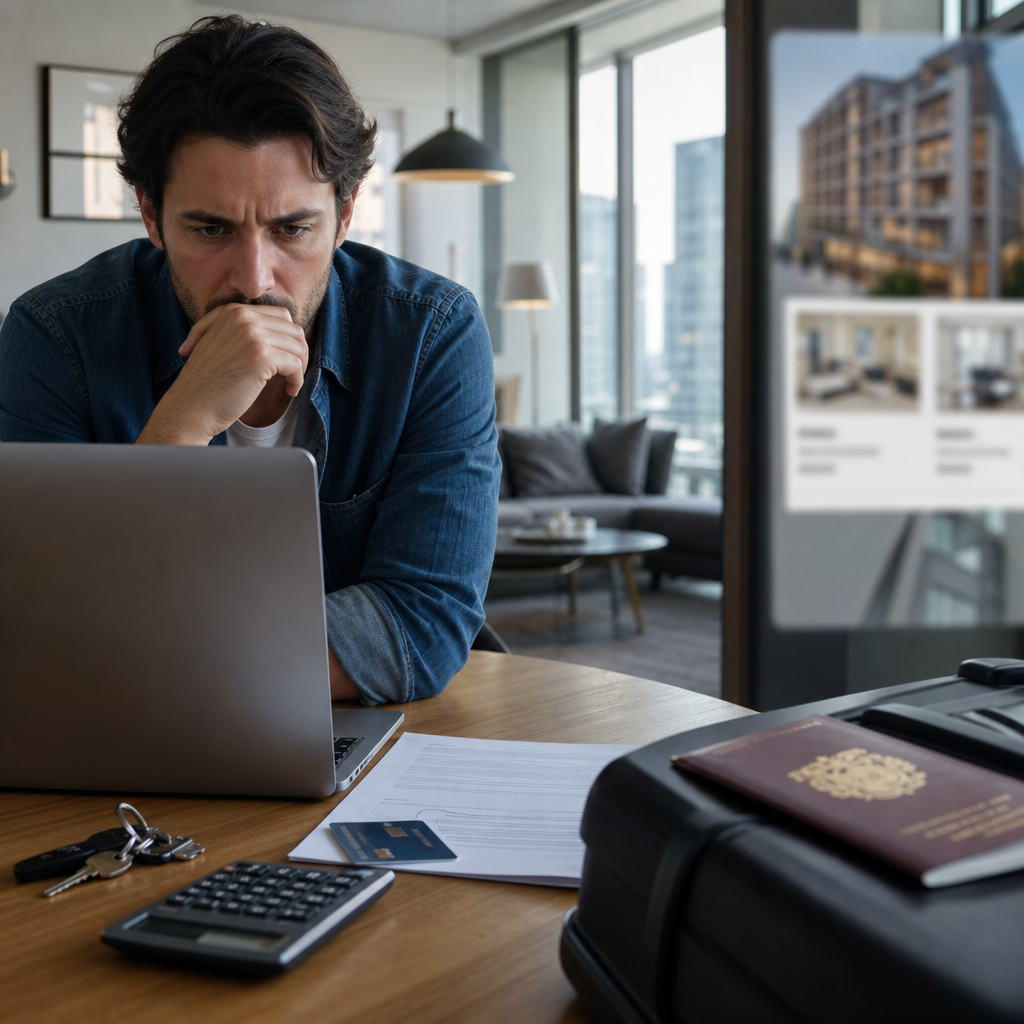
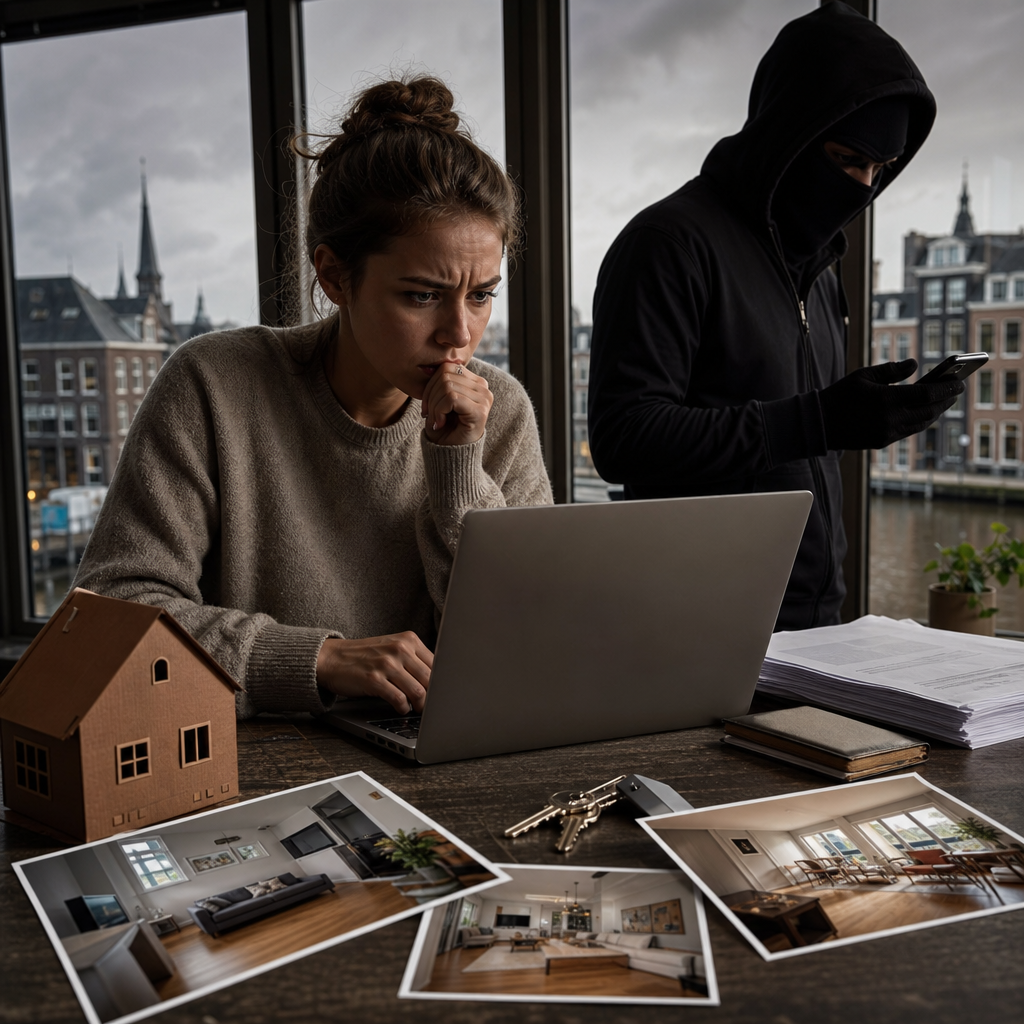
Every rental season, thousands of house hunters across Europe and the US fall for the same trick: a beautiful apartment, a friendly landlord, and one small catch — they're supposedly abroad and can't show the place in person. All they need is a deposit wired upfront, and the keys will magically arrive by courier. Spoiler: they never do.
This is the infamous 'I'm abroad, just send the deposit' scam, and in 2026 it's more polished than ever. AI-generated photos, deepfake video calls, and cloned agency websites have made it harder than ever to tell a real listing from a scam. In this guide, we'll break down exactly how this rental scam works, why it thrives on trust, and how you can protect yourself — whether you're a student in Berlin, an expat in Madrid, or a young professional in New York.
How the 'I'm Abroad' Rental Scam Works
The formula is depressingly consistent. A scammer copies a genuine listing from a legitimate site, lowers the price by 20–30% to attract urgency, and reposts it on Facebook Marketplace, Craigslist, or a local Telegram group. When you inquire, the response arrives quickly — warm, detailed, and personal.
Then comes the twist: the 'owner' is currently in London for work, visiting a sick relative in Australia, or serving as a missionary in Kenya. They can't show you the flat, but they trust you (a good tenant, obviously). To 'secure' the property, all you need to do is send a deposit — usually via bank transfer, Western Union, or crypto.
The Emotional Script
Scammers rely on a predictable emotional arc:
- Excitement: An unbelievably good deal in a competitive market.
- Urgency: 'Three other people want it, but I like your profile.'
- Trust-building: Personal stories, copies of ID (often stolen), religious references.
- Pressure: 'If I don't receive the deposit today, I'll have to offer it to someone else.'
By the time you're wiring money, you've been guided through a carefully crafted funnel designed to bypass your rational judgment.
Why the Rental Deposit Scam Is Booming in 2026
Three forces are supercharging this fake rental listing epidemic:
- Housing shortages across major cities have made desperate seekers less cautious.
- AI tools allow scammers to generate photorealistic apartment images, translate perfectly into any language, and even fake voice calls.
- Fragmented search channels — Facebook groups, WhatsApp chats, Telegram communities — offer little to no verification.
A 2025 report by the European Consumer Centre estimated that over €38 million was lost to rental deposit scams in the EU alone, with victims averaging losses of €1,200 per incident. In the US, the FTC recorded a 47% year-over-year increase in reported rental fraud complaints.
Red Flags: How to Spot a Fake Rental Listing
Learning to recognize the warning signs is your first line of defense. If a listing checks two or more of these boxes, walk away:
- The price is significantly below market average for the area.
- The 'landlord' refuses in-person or live video viewings.
- They claim to be abroad and unreachable by phone.
- Communication shifts quickly to WhatsApp or email, away from the original platform.
- Payment is requested via bank transfer, crypto, or gift cards before you sign anything.
- The lease document is generic, poorly translated, or missing legal references.
- Reverse image search reveals the photos are used on multiple sites.
Mini Case Study: Marco in Amsterdam
Marco, an Italian designer relocating to Amsterdam in early 2026, found a stunning canal-side studio for €900/month — half the market rate. The 'owner,' allegedly a Dutch engineer in Dubai, sent a scanned passport and a lease in perfect English. Marco transferred €1,800 as deposit and first month's rent. The keys never arrived. The real owner of the apartment lived there peacefully, unaware her listing had been cloned.
How to Verify a Rental Listing Before You Pay
To avoid rental fraud, take these concrete steps before sending any money:
- Reverse image search every photo using Google Lens or TinEye.
- Check the address on Google Street View and cross-reference with other portals.
- Insist on a live video tour — the person must open cupboards, walk to the window, and hold up today's newspaper or a piece of paper with your name.
- Verify the landlord's identity through official land registries (Grundbuch in Germany, Registro de la Propiedad in Spain, cadastre in France).
- Never pay before signing a legally valid lease and, ideally, meeting in person or using a trusted escrow service.
- Search the listing text in quotes on Google — scammers reuse descriptions across dozens of fake ads.
How Roogle Helps You Avoid Rental Scams
Manually vetting listings across Facebook groups, Telegram channels, Instagram accounts, WhatsApp chats, Reddit threads, and community forums is exhausting — and dangerous, because scams thrive in the chaos. That's exactly the problem Roogle was built to solve.
Roogle is the first aggregator that turns scattered rental posts from social media and community sources into structured, verified listings. Instead of doomscrolling through hundreds of posts (many of them scams), you get:
- Real-time alerts via Telegram, Email, or Push notifications the moment a matching listing appears.
- Direct links to the original source, so you can always trace where a post came from and check the poster's history.
- Structured data — price, location, size, contact — extracted and normalized for easy comparison.
- Access to hidden community listings you'd never find on mainstream portals.
- Signals that help you identify suspicious patterns (duplicated content, reused images, unusual price drops).
By centralizing and organizing chaotic community posts, Roogle drastically reduces the surface area where scammers operate — and gives you back the hours you'd otherwise spend refreshing Facebook groups.
What to Do If You've Already Been Scammed
If you suspect you've fallen victim to a rental scam, act quickly:
- Contact your bank immediately to attempt a reversal or chargeback.
- File a police report — you'll need this for insurance and legal recourse.
- Report the listing to the platform where you found it (Facebook, Craigslist, etc.).
- Warn the community by posting in the same groups where the scam appeared.
- Contact consumer protection agencies in your country (BEUC in Europe, FTC in the US).
While recovery isn't guaranteed, quick action can help — and your report may prevent others from being scammed.
Conclusion: Trust, but Verify
The housing market runs on trust, and scammers know it. In 2026, protecting yourself means combining healthy skepticism with the right tools. Never send money to someone you haven't verified. Always insist on a live viewing. And never let urgency override your judgment.
Ready to search smarter and safer? Visit roogle.app today and discover how real-time alerts, structured listings, and community-sourced data can transform your rental search — without the scams, without the stress. Your next home is out there. Let Roogle help you find it, the safe way.
Looking for rentals now?
Search hidden community listings across Facebook, Telegram, Reddit, forums and more — in one live feed with instant alerts.