What a Legitimate Landlord Will (and Won't) Ask For: Your 2026 Anti-Scam Checklist

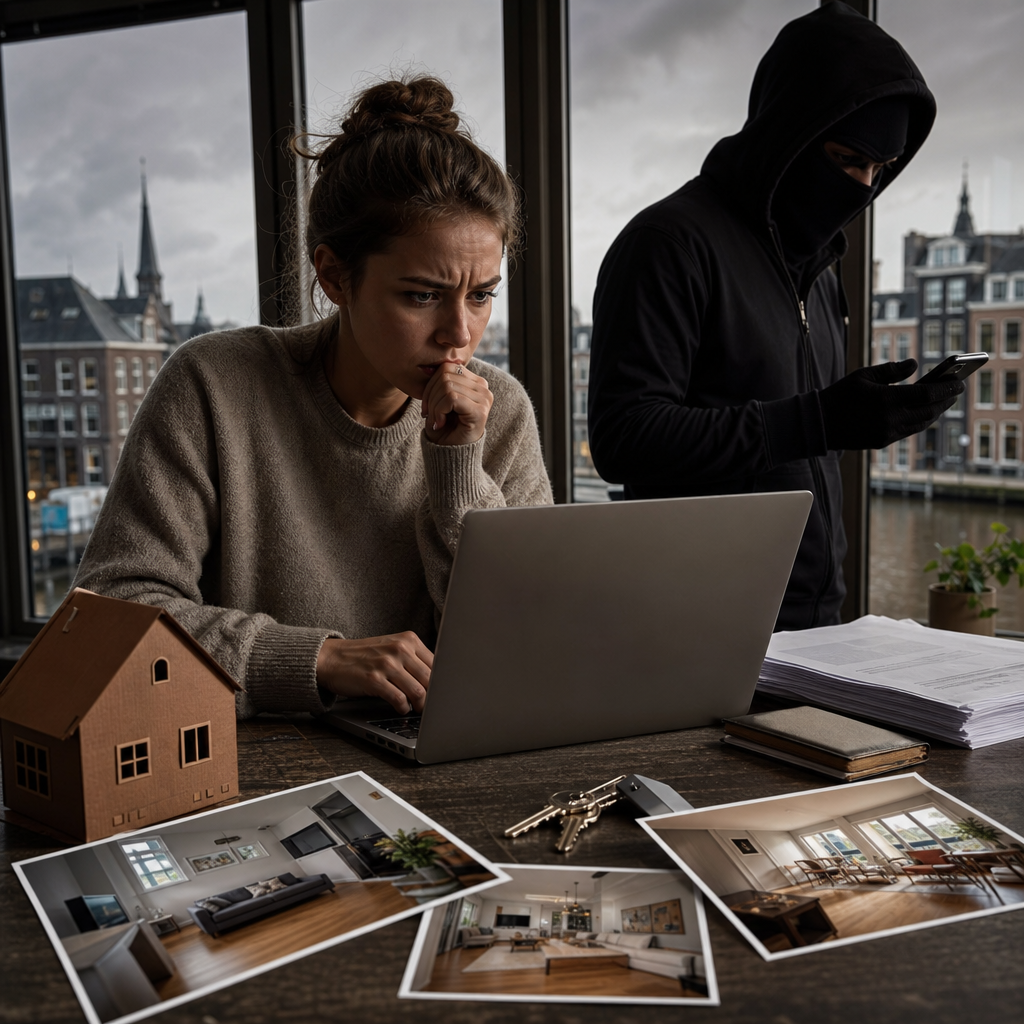
Finding a home in 2026 has never been faster—or riskier. As rental demand keeps climbing across Europe and the US, scammers are polishing their tactics, creating convincing fake listings on Facebook Marketplace, Telegram groups, and even mainstream portals. The single most powerful defense you have as a tenant is knowing exactly what a legitimate landlord will ask you for, and just as importantly, what they will never request.
This guide walks you through the standard, lawful requests you should expect during a rental process, the warning signs of a rental scam, and how to verify a rental listing before you send a single euro or dollar.
Why Rental Scams Are Booming in 2026
With remote work, student mobility, and cross-border relocation at record highs, millions of people are renting sight-unseen. Scammers exploit this urgency. According to consumer protection agencies in the EU and the FTC in the US, reports of fake rental listings rose sharply in 2025, with average losses per victim climbing above €2,000.
Common scam formats include:
- Cloned listings copied from real portals and reposted at suspiciously low prices
- "Landlords abroad" who can't show the apartment but demand a deposit
- Fake property managers requesting ID scans and bank details up front
- Rental deposit scams using forged contracts and untraceable payment methods
The good news: nearly every scam falls apart when you know what a real landlord's process looks like.
What a Legitimate Landlord Will Ask For
A professional landlord or agency has one goal: to confirm you are a reliable, solvent tenant. Their questions are predictable, reasonable, and always tied to signing a proper lease.
1. Proof of Identity
Expect to show a valid passport, national ID, or residence permit—but only at the point of signing or a formal viewing, not via a random WhatsApp message. Reputable landlords typically ask to see the document, not to keep a full-color scan indefinitely.
2. Proof of Income or Employment
Standard requests include:
- Recent payslips (usually the last 3 months)
- An employment contract or letter from your employer
- Bank statements showing regular income
- For students: enrollment certificate and a guarantor's documents
- For freelancers: tax returns or accountant statements
3. References
A previous landlord reference or a solvency certificate (like SCHUFA in Germany, or a credit report in the US) is normal and legitimate.
4. A Written, Signed Lease Agreement
Any serious landlord will provide a proper lease that includes address, rent, deposit amount, duration, and both parties' signatures. This is your primary protection.
5. A Deposit—Paid Correctly
Deposits are legal and expected, but only after you've seen the property (in person or via verified video), signed the contract, and paid via traceable bank transfer to an account matching the landlord's legal name.
What a Legitimate Landlord Will NEVER Ask For
This is where you can stop most scams cold. If any of these red flags appear, walk away.
1. Money Before a Viewing or Contract
No real landlord asks for a "reservation fee," "holding deposit," or full first month's rent before you've seen the place and signed a lease. This is the #1 way to avoid rental fraud.
2. Payment via Gift Cards, Crypto, or Western Union
Legitimate rent and deposits go through bank transfers or regulated escrow services. Requests for Amazon vouchers, Bitcoin, or money-transfer apps to strangers are 100% scams.
3. Full Copies of Sensitive Documents Before Meeting
A real landlord doesn't need your full passport scan, social security number, or bank credentials sent by email to "pre-approve" you. Data-harvesting is a hallmark of fraud.
4. Emotional Pressure and "Urgency"
"Ten other people want it—send €800 today to secure it." Real landlords conduct viewings and select tenants methodically. Artificial urgency is a manipulation tactic.
5. Communication Only via Encrypted Chat with No Phone Call
While many landlords do use WhatsApp or Telegram initially, refusing any voice call, video viewing, or in-person meeting is a serious warning sign.
Mini Case Study: Spotting a Fake Listing in Berlin
Maria, a graduate student moving to Berlin, found a stunning two-room flat for €650—well below market. The "owner" claimed to be in Ireland and asked her to send €1,300 via a money-transfer app to receive the keys by courier. Two red flags—no viewing, untraceable payment—stopped her. A reverse image search revealed the same photos on a Spanish real estate portal from 2024. Classic fake rental listing.
Her instinct saved her deposit. Yours can too.
How to Verify a Rental Listing in Minutes
Before replying to any ad, run this quick check:
- Reverse-image search the photos on Google Lens or TinEye
- Google the address to check whether it appears on other portals at different prices
- Check the landlord's name in the local land registry or business register
- Insist on a live video tour if you can't visit in person—ask them to show today's date on paper
- Never pay before verifying the account holder matches the person on the contract
How Roogle Helps You Stay Safe
Here's where things get easier. Roogle aggregates rental posts from Facebook groups, Telegram channels, Instagram, WhatsApp communities, Reddit, and local forums—the very places where scams often hide—and turns them into clean, structured listings with links to the original source.
With Roogle you can:
- Save hours of manual scrolling across dozens of channels
- Receive real-time alerts via Telegram, email, or push the moment a matching listing appears
- Access hidden community offers that never reach mainstream portals
- Click straight through to the original post to verify the poster's profile, history, and reputation
Being among the first legitimate applicants means you don't have to accept sketchy "pay first" demands out of desperation. Speed plus transparency equals safety.
Conclusion: Trust, but Verify
Rental scams thrive on urgency, secrecy, and information asymmetry. The moment you know what a real landlord asks for—and what they don't—you take back the power. Always view the property, verify the identity, sign a proper contract, and pay only through traceable channels.
Ready to search smarter and safer in 2026? Visit roogle.app to activate live alerts, browse verified community listings across Europe and the US, and skip straight to the real opportunities—without the scams.
Looking for rentals now?
Search hidden community listings across Facebook, Telegram, Reddit, forums and more — in one live feed with instant alerts.