Lisbon on Foot: The Most Walkable Rental Neighborhoods in 2026
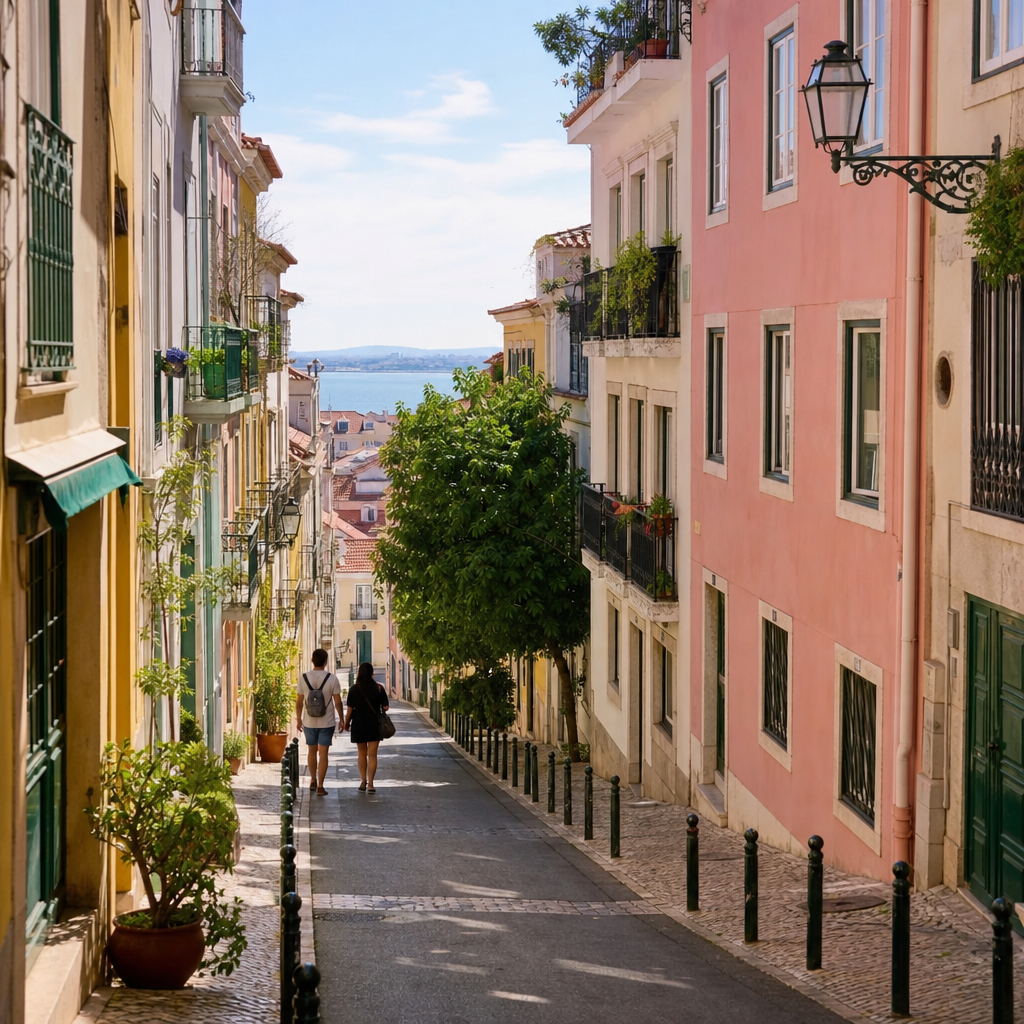
Lisbon is a city built for walking. Its seven hills, cobbled calçadas, and sun-drenched miradouros invite you to explore slowly, coffee in hand, without ever glancing at a bus schedule. For newcomers deciding where to live in Lisbon, walkability isn't just a lifestyle preference — it's a practical filter that shapes your daily commute, grocery runs, and weekend rhythm.
In this neighborhood guide, we walk you through the most pedestrian-friendly areas of the Portuguese capital, current rent expectations, and how to find listings before everyone else does.
Why Walkability Matters in Lisbon
Unlike Berlin or Paris, Lisbon rewards residents who embrace slower, on-foot living. The historic center is compact, the metro is efficient but limited, and traffic in the hilly core can be frustrating. Renters who choose walkable areas save money on transport, discover more local businesses, and integrate faster into neighborhood life.
Still, the Lisbon rental market in 2026 is competitive. Demand from remote workers, students, and returning Portuguese families has pushed prices up, so choosing the right district — one that balances walkability, budget, and vibe — is more important than ever.
What Makes a Lisbon Neighborhood Walkable?
- Flat or manageable topography (or good tram/elevator access)
- Grocery stores, pharmacies, and cafés within 10 minutes on foot
- Safe, well-lit streets after dark
- Proximity to a metro or tram line for longer journeys
- Green spaces or riverfront access
The Best Neighborhoods in Lisbon for Walkers
Here are our top picks among the best neighborhoods Lisbon has to offer in 2026, ranked by how easily you can live your life without a car.
1. Príncipe Real — Elegant and Effortless
Príncipe Real is arguably the most livable central district. Its leafy square, boutique shops, and independent restaurants create a village-like feel just minutes from Avenida da Liberdade. The area is relatively flat by Lisbon standards, and you can walk to Bairro Alto, Chiado, and Avenida in under 15 minutes.
Rent expectations (2026): A one-bedroom apartment averages €1,450–€1,900/month. Studios start around €1,100.
2. Estrela — Green, Quiet, Central
Home to the beautiful Jardim da Estrela and the iconic Basílica, this neighborhood feels residential yet is only a tram ride from downtown. Families and professionals love its calm streets, weekly markets, and abundance of small bakeries.
Rent expectations: €1,300–€1,700 for a one-bedroom; €1,900–€2,600 for a two-bedroom.
3. Campo de Ourique — The Local Favorite
If you ask Lisboetas where they'd live if money were no object, many say Campo de Ourique. It's flat, walkable end-to-end, and packed with local shops, a legendary food market, and top-rated schools. Public transport is decent but honestly, you rarely need it.
Rent expectations: €1,250–€1,650 for one-bedrooms; slightly less for older buildings without elevators.
4. Alfama & Graça — Historic Charm (With Hills)
Alfama is postcard Lisbon: winding alleys, fado houses, and river views. It's walkable in the sense that everything is close — but be ready for stairs. Graça, just above, is a hip alternative with a younger crowd and creative energy.
Rent prices Lisbon here vary widely: expect €900–€1,400 for compact one-bedrooms, though renovated units can climb higher.
5. Arroios — Multicultural and Affordable
Named one of the coolest neighborhoods in Europe a few years back, Arroios remains a favorite for its diversity, affordability, and excellent metro connections. It's flatter than the historic core and full of ethnic restaurants, co-working spaces, and green pockets.
Rent expectations: €1,050–€1,400 for one-bedrooms — one of the best value-to-walkability ratios in the city.
6. Marvila & Beato — The Rising Stars
A bit further east along the river, these former industrial districts have transformed into creative hubs. Walkability is improving quickly with new pedestrian streets, riverside promenades, and craft breweries. Prices are still below the city center — for now.
Rent expectations: €950–€1,300 for a modern one-bedroom.
A Quick Lisbon Districts Guide by Renter Profile
Not sure which area fits you? Here's a shortcut:
- Digital nomads & remote workers: Príncipe Real, Arroios, Marvila
- Students: Arroios, Graça, Anjos
- Families: Campo de Ourique, Estrela, Alvalade
- Culture lovers: Alfama, Mouraria, Bairro Alto
- Budget-conscious expats: Beato, Penha de França, Areeiro
Understanding the Lisbon Rental Market in 2026
After years of steep increases, the market has slightly stabilized in 2026 thanks to new housing regulations and a wave of construction in the outer districts. Still, central walkable areas remain highly competitive. Good listings often disappear within 24–48 hours, and many never reach mainstream portals — they circulate first on Facebook groups, Telegram channels, WhatsApp networks, and expat forums.
This is where most newcomers get stuck: they refresh Idealista five times a day and still miss the best deals.
How to Actually Find a Rental Before It's Gone
- Set alerts on multiple platforms
- Join local Facebook groups ("Apartments in Lisbon," "Expats Lisbon Housing")
- Follow Telegram rental channels
- Ask in Reddit communities like r/lisbon
- Move fast — visit the same day if possible
Doing all of this manually can eat up 2–3 hours a day.
How Roogle Makes Your Search Effortless
Roogle was built precisely to solve this problem. Instead of jumping between Facebook, Telegram, Instagram, WhatsApp, Reddit, and community forums, Roogle aggregates every scattered rental post into one clean, structured feed. You set your filters — neighborhood, budget, size — and receive live alerts via Telegram, email, or push notifications the moment a matching listing appears.
Each listing includes a direct link to the original source, so you can contact the landlord immediately, without middlemen or inflated fees. For Lisbon renters especially, this means catching those "hidden" community listings in Campo de Ourique or Príncipe Real before they even reach the big portals.
Conclusion: Walk More, Search Less
Lisbon is a city meant to be lived on foot. Whether you dream of morning coffee in Estrela, sunset walks through Alfama, or dinner with neighbors in Campo de Ourique, choosing a walkable neighborhood transforms your entire experience of the city.
But finding the right home in these sought-after districts is another story. Stop refreshing tabs and losing sleep over listings you already missed. Visit roogle.app today, set your alerts, and let Lisbon's best rentals come to you — so you can spend less time searching, and more time walking.
Looking for rentals now?
Search hidden community listings across Facebook, Telegram, Reddit, forums and more — in one live feed with instant alerts.