The 10 Most Common Rental Scams in 2026 and How to Avoid Them
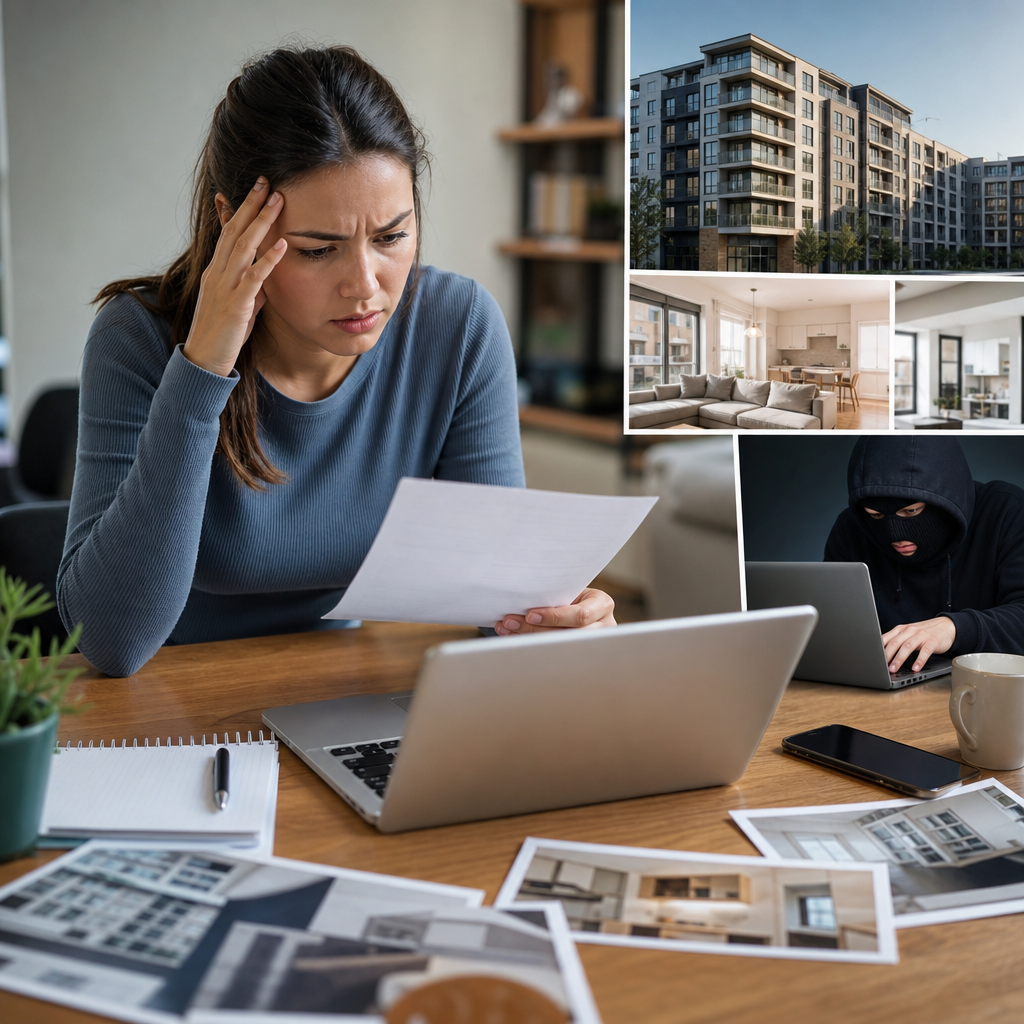
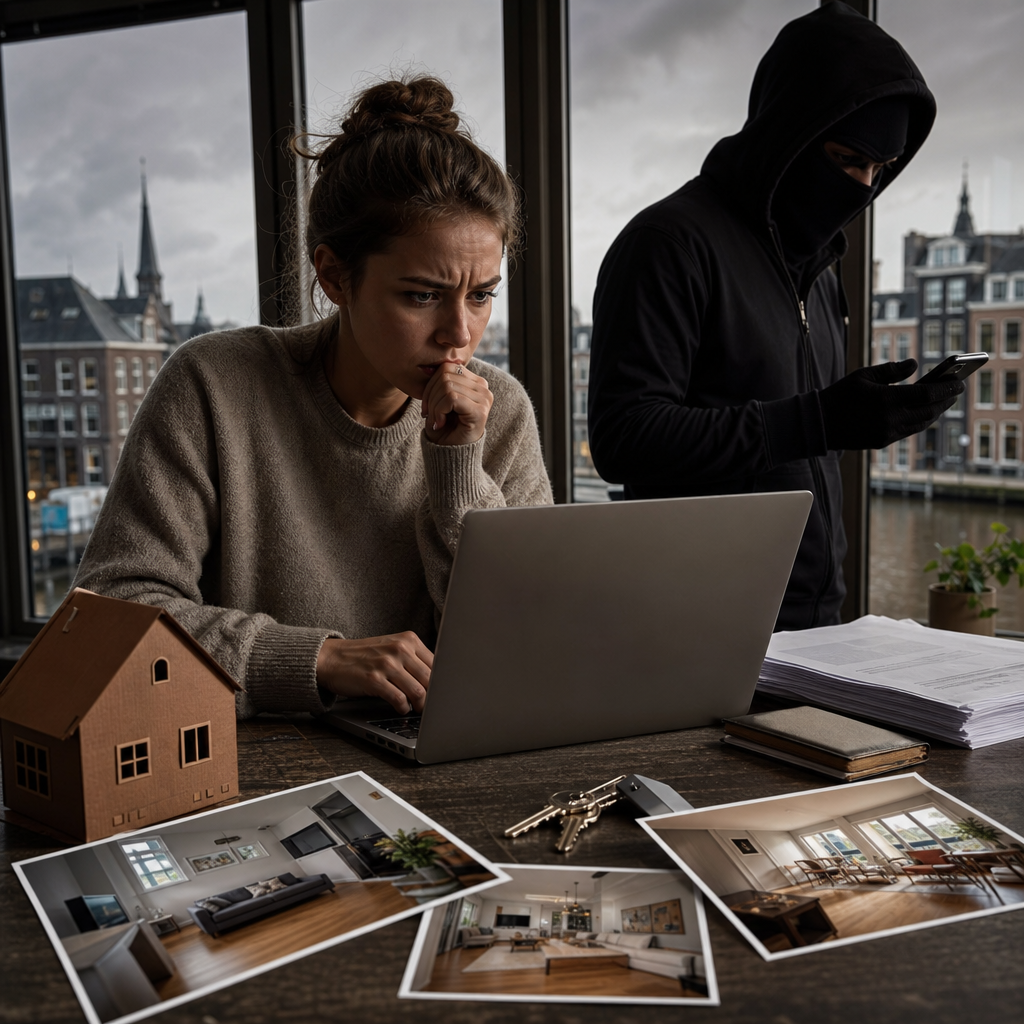
Finding a home in 2026 has never been more competitive — or more risky. As rental demand surges across Europe and the US, so does the number of fraudsters exploiting desperate tenants. A rental scam can cost you thousands of euros or dollars, weeks of stress, and even your ability to move in on time. Trust has become the most valuable currency in the housing market.
In this guide, we break down the 10 most common rental scams of 2026 and give you concrete tools to recognize them, verify rental listings, and avoid rental fraud — whether you're a student in Berlin, an expat in Paris, or a young professional relocating to New York.
Why Rental Scams Are Booming in 2026
The rise of remote work, international mobility, and social media-based housing hunting has created the perfect storm for fraud. Scammers now use AI-generated photos, deepfake video tours, and fake identity documents to lure victims. According to consumer protection agencies, fake rental listings accounted for over 30% of housing-related complaints in the first half of 2026.
Most victims share one thing in common: they were in a hurry, emotionally invested, and skipped basic verification steps. Understanding the anatomy of scams is your first line of defense.
The 10 Most Common Rental Scams
1. The "Landlord Abroad" Scam
A classic. The supposed owner claims to be traveling, working overseas, or serving as a missionary. They can't show the apartment in person but will happily send you the keys — as soon as you wire a deposit. This is the number one rental deposit scam worldwide.
2. Copied Listings from Real Websites
Scammers copy legitimate ads from platforms like Idealista, Immobilienscout24, SeLoger, or Zillow, then repost them at a suspiciously low price on Facebook Marketplace or Craigslist. Always reverse-image-search the photos.
3. The Fake Agency
A polished website, a professional logo, even a physical address — everything looks real. But the "agency" doesn't exist, and once you pay a "viewing fee" or "reservation fee," they vanish.
4. The Bait-and-Switch
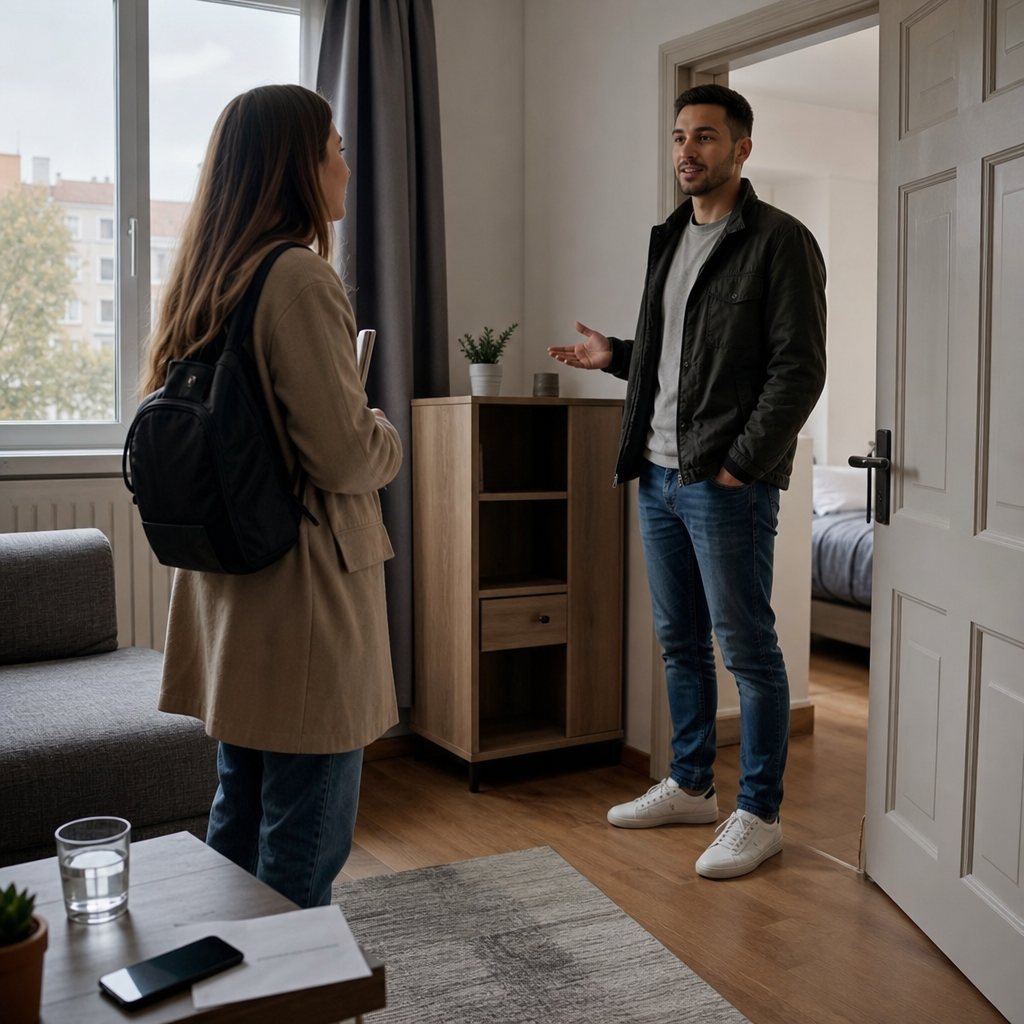
You visit a beautiful apartment, sign a contract, and pay a deposit. On move-in day, you're shown a completely different (and worse) property. The excuse? "The other tenant extended their stay."
5. Deposit-Only Scam
The scammer asks for a small "good faith" deposit to hold the apartment before viewing. Once paid, they ghost you. A legitimate landlord will never demand money before you've seen the property and signed a lease.
6. Fake Roommate Post
Common in shared housing markets. Someone claims to have a room available in an existing flatshare, collects deposits from multiple candidates, and disappears. The other flatmates often don't even know their apartment is being "rented."
7. Overpayment / Cashier's Check Scam
Mostly seen in the US. A "tenant" (actually a scammer) sends you a check for more than the agreed amount and asks you to refund the difference. The original check bounces days later, leaving you in the red.
8. The Phantom Utility Fee
After you've signed, the "landlord" demands an urgent payment for utilities, cleaning, or a mandatory insurance policy — always via untraceable methods like crypto, gift cards, or wire transfers.
9. AI-Generated Listings
New in 2026: entirely fake apartments generated by AI. Perfect lighting, impossible layouts, furniture that doesn't quite make sense. If it looks too perfect, it probably is.
10. Phishing Through Rental Platforms
Scammers send you a link to "complete your application" or "verify your identity" on a page that mimics a legitimate rental site. You end up handing over your ID, bank details, and sometimes your entire savings.
How to Verify a Rental Listing Like a Pro
Trust is built through verification. Here's your practical checklist:
- Reverse image search every photo using Google Lens or TinEye.
- Cross-check the address on Google Street View — does the building actually exist?
- Ask for a live video tour with the landlord holding today's newspaper or making a specific gesture.
- Verify the landlord's identity through official land registry documents (Grundbuch in Germany, cadastre in France, Registro de la Propiedad in Spain).
- Never pay before signing a contract and always use traceable payment methods.
- Search the landlord's phone number and email — scammers often reuse the same contact details across dozens of ads.
Red Flags That Should Stop You Instantly
- Rent is 30–50% below market average.
- The landlord refuses in-person or live video viewings.
- Payment is requested via crypto, Western Union, or gift cards.
- Poor grammar and generic, copy-pasted responses.
- Pressure to "decide today or lose the apartment."
How Roogle Helps You Avoid Rental Fraud
Most scams thrive in the chaos of Facebook groups, Telegram channels, WhatsApp broadcasts, and Reddit threads — places where listings vanish before anyone can verify them. That's exactly where Roogle operates.
Roogle is the first aggregator that transforms scattered rental posts from social platforms into structured, verifiable listings. Instead of scrolling through hundreds of groups, you get:
- Real-time alerts via Telegram, email, and push notifications the moment a new listing appears.
- Direct links to the original source, so you can always see who posted the ad and when.
- Access to "hidden" community listings that never make it to big commercial portals.
- Standardized information that makes it easier to compare and spot inconsistencies typical of scams.
By giving you speed and transparency, Roogle helps you act fast on legitimate opportunities while filtering out the noise where fraudsters hide.
A Quick Real-World Example
Maria, an international student moving to Barcelona in September 2026, almost lost €1,800 to a fake agency. After joining Roogle, she received an alert about a room posted directly by the current tenant in a private Telegram group. She verified the address, did a video tour, met the landlord in person — and moved in without paying a cent upfront. That's what trust-based rental hunting looks like.
Conclusion: Rent Smart, Rent Safe
Rental scams will keep evolving, but so will the tools to fight them. The formula is simple: verify every listing, never pay before signing, and use trusted aggregators that bring transparency to the chaos of online housing.
Ready to find your next home without fear of falling for a rental scam? Visit roogle.app today, set up your personalized alerts, and join thousands of tenants who've already made their rental search faster, smarter, and safer.
Looking for rentals now?
Search hidden community listings across Facebook, Telegram, Reddit, forums and more — in one live feed with instant alerts.