
Neighborhood Research for Expats Moving to the Netherlands: A 2026 Guide
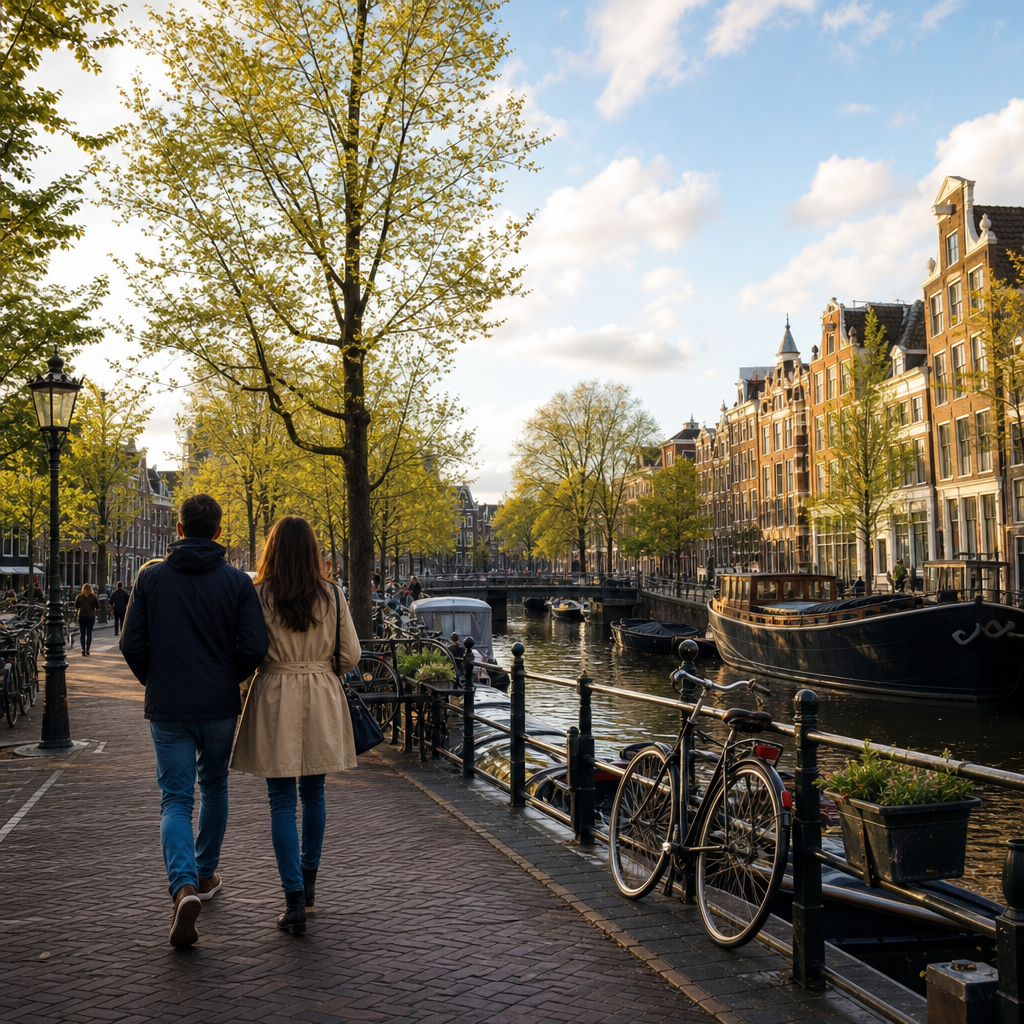
Relocating to the Netherlands in 2026 is exciting, but choosing the right neighborhood can make or break your experience. With rental prices climbing in major cities and a chronic housing shortage still shaping the market, smart neighborhood research is no longer optional — it's the foundation of a successful expat relocation.
Whether you're moving to Amsterdam for a tech job, joining a startup in Eindhoven, or planning a quieter life in Haarlem, this guide will walk you through everything you need to know before signing a lease.
Why Neighborhood Research Matters When Moving to the Netherlands
The Netherlands is compact, but its neighborhoods vary enormously in character, price, and international-friendliness. A 15-minute difference on the tram can mean paying €500 less per month or being surrounded by expats versus native Dutch families.
When moving to the Netherlands, most newcomers underestimate three things:
- Commute realities: Dutch cities are bike-first, but weather and distance still matter.
- Registration (BSN) requirements: Some landlords don't allow registration, which blocks you from healthcare and banking.
- Neighborhood culture: A trendy district in Rotterdam feels nothing like a canal-side street in Utrecht.
Doing your homework first saves months of frustration — and thousands of euros.
The Best Cities and Neighborhoods for Expats in 2026
Amsterdam: Global but Expensive
Amsterdam remains the top choice for international professionals, but expat housing in the Netherlands is nowhere pricier. Consider these areas:
- De Pijp: Vibrant, multicultural, walkable — expect €2,000+ for a one-bedroom.
- Oud-West: Trendy cafés, close to Vondelpark, popular with young expats.
- Amsterdam-Noord: Cheaper, creative, connected by free ferry — the fastest-growing expat hub in 2026.
- Diemen and Amstelveen: Suburban feel, great for families, strong international school access.
Rotterdam: Modern and Affordable
Rotterdam offers 20–30% cheaper rents than Amsterdam and a bolder, architectural vibe.
- Kralingen: Leafy, lakeside, favored by Erasmus University staff.
- Katendrecht: Formerly industrial, now hip and food-focused.
- Blijdorp: Family-friendly with easy tram access to the center.
The Hague: Diplomatic and International
Home to embassies, international courts, and Shell HQ, The Hague is naturally expat-friendly.
- Statenkwartier: Elegant, close to the beach, popular with diplomats.
- Benoordenhout: Green, family-oriented, near international schools.
- Bezuidenhout: Central, well-connected, more affordable.
Utrecht and Eindhoven: The Rising Stars
Utrecht offers medieval charm with a young, professional population, while Eindhoven has become the tech capital thanks to ASML and the Brainport region.
- Utrecht Oost: Leafy, near the university, well-connected.
- Strijp-S (Eindhoven): A former Philips factory turned creative district.
How to Research Neighborhoods Before You Arrive
You don't need to be in the country to start. Here's a practical checklist to relocate to the Netherlands with confidence:
- Use interactive maps: Check funda.nl, pararius.nl and municipal websites for average rent and demographics.
- Watch YouTube walking tours: Search "[neighborhood name] walking tour 2026" for honest visuals.
- Join local Facebook and Reddit groups: Ask real residents about noise, safety, and hidden costs.
- Check school proximity: Even without kids, this signals family stability and green space.
- Verify transport links: Use 9292.nl to simulate your future commute.
- Look up safety statistics: The Dutch police publish crime data by postcode (politie.nl).
Micro-tip: Test the "Rain Test"
The Netherlands rains often. Ask yourself: could I comfortably do groceries, get to work, and reach a café within a 10-minute walk or bike ride, even in bad weather? If yes, you've found a livable neighborhood.
Renting in the Netherlands as an Expat: The Realities
Renting in the Netherlands as an expat in 2026 is competitive, especially in the Randstad. Here's what to prepare for:
- Documents: Passport, employment contract, three recent payslips, and often a Dutch bank statement.
- Deposit: Typically 1–2 months' rent.
- Broker fees (courtage): Now illegal for tenants in most cases since 2023 reforms — never pay one.
- Rental caps: The Affordable Rent Act (Wet betaalbare huur) has expanded regulated mid-market rents, meaning many apartments now have capped prices based on the points system.
Can You Rent Without a Guarantor?
Many newcomers worry about rent without guarantor in the Netherlands. The good news: most landlords accept a signed Dutch employment contract as sufficient proof of income (usually 3–4x the monthly rent). Freelancers and students face more hurdles and may need:
- A prepaid rent option (2–6 months upfront).
- An employer guarantee letter.
- A relocation agency acting as intermediary.
How Roogle Helps Expats Find Housing Faster
The Dutch rental market moves at lightning speed — listings on traditional portals often disappear within hours. Meanwhile, thousands of authentic rental offers are shared daily in Facebook groups like "Rooms & Apartments Amsterdam", Telegram channels, WhatsApp communities, and Reddit threads. Manually monitoring all of them is impossible.
That's exactly where Roogle changes the game. Roogle aggregates scattered rental posts from Facebook, Telegram, Instagram, WhatsApp, Reddit, and community forums, turning them into structured, searchable listings with:
- Real-time alerts via Telegram, email, or push notification the moment a new listing matches your filters.
- Direct links to the original poster, so you can reach out immediately — no middlemen.
- Access to hidden community listings that never make it to funda or pararius.
- Filters tailored to expats: registration allowed, no guarantor required, furnished, pet-friendly.
Instead of spending 4–5 hours a day refreshing groups, Roogle users often secure a viewing within days of their search.
Common Mistakes to Avoid When Choosing a Dutch Neighborhood
- Signing before visiting: Even a virtual walkthrough is better than blind trust.
- Ignoring registration rules: No BSN registration = no health insurance, no bank account.
- Underestimating winter darkness: North-facing apartments feel very dim from November to February.
- Overpaying for "expat packages": Many agencies mark up rents by 20–40% for identical apartments.
- Forgetting service costs: Ask what's included — heating gas prices remain volatile in 2026.
Final Thoughts: Start Smart, Live Well
A successful expat relocation to the Netherlands starts long before you pack a box. It starts with hours of neighborhood research, honest conversations with locals, and the right tools to cut through the noise of an overheated market.
Whether you dream of a canal-side studio in Utrecht, a modern loft in Rotterdam's Katendrecht, or a family home in Amstelveen, taking time to understand the neighborhood — its rhythm, its people, its rental rules — is what turns a stressful move into a smooth transition.
Ready to find your Dutch home without spending weeks refreshing Facebook groups? Visit roogle.app today, set up your personalized alerts, and let the listings come to you. Your next chapter in the Netherlands is one click away.
Looking for rentals now?
Search hidden community listings across Facebook, Telegram, Reddit, forums and more — in one live feed with instant alerts.


