Never Wire a Deposit Before Viewing: Here's Why
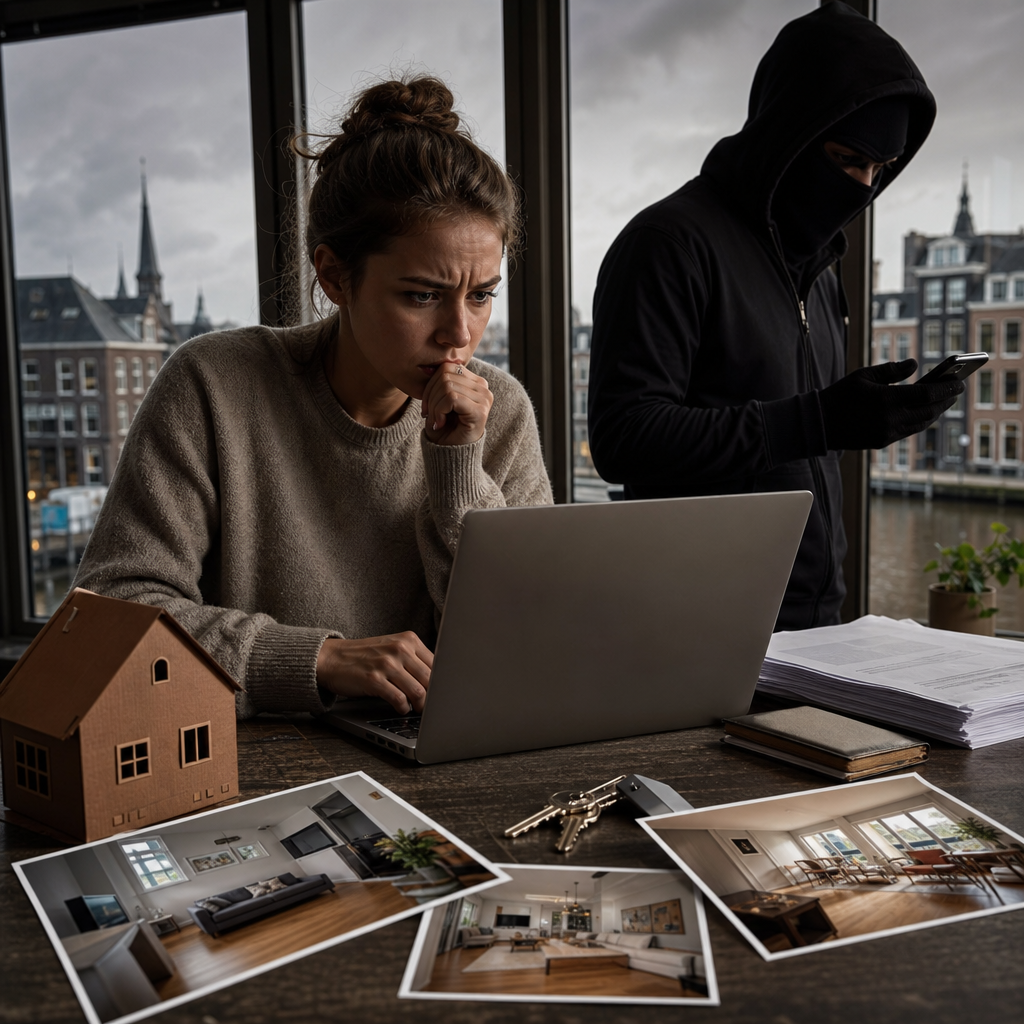
The rental market in 2026 is faster, more competitive, and unfortunately, more dangerous than ever. In cities like Berlin, Paris, Barcelona, Amsterdam, and New York, decent apartments can vanish within hours of being posted. That urgency is exactly what scammers exploit. Every week, thousands of hopeful tenants — students, expats, young professionals, families relocating for work — lose their savings to a rental scam that started with a single sentence: "Please wire the deposit to secure the flat before viewing."
If you remember only one rule from this article, make it this: never send money for a rental you haven't personally seen or verified. Below, we break down why this rule is non-negotiable, how modern scams work, and how to protect yourself in a market where trust is your most valuable currency.
Why the "Deposit Before Viewing" Trap Works So Well
Scammers are experts in psychology. They understand that in tight housing markets, tenants feel pressure to act fast — and they weaponize that fear.
A typical fake rental listing looks almost too good to be true: a bright two-bedroom in central Munich at 40% below market rate, a charming studio in Le Marais with brand-new appliances, or a beachfront apartment in Valencia for the price of a suburban room. The photos look professional (because they were stolen from real agencies), the description is polished, and the "landlord" replies within minutes.
Then comes the pitch:
- "I'm currently abroad for work, so I can't show the apartment in person."
- "Many people are interested — to reserve it, please transfer one month's deposit."
- "I'll send the keys via courier once payment is confirmed."
- "Don't worry, the money is held safely by Airbnb / a notary / an escrow service."
The moment the wire clears, the "landlord" disappears. The listing vanishes. Your bank tells you international wire transfers are nearly impossible to reverse. This is the classic rental deposit scam, and it's growing more sophisticated every year.
Red Flags That Should Instantly End the Conversation
Learning to recognize warning signs is the fastest way to avoid rental fraud. Watch out for:
- The landlord is "abroad" — in the UK for a missionary trip, working on an oil rig, caring for a sick relative in another country. This is scam script #1.
- Refusal to do a video call. A real owner in 2026 will happily walk you through the flat on WhatsApp or FaceTime.
- Payment via crypto, Western Union, MoneyGram, or gift cards. No legitimate landlord will ever ask for these.
- Fake escrow services. Scammers create convincing but fraudulent websites impersonating Airbnb, Booking, or made-up "secure rental holding" platforms.
- Pressure and urgency. "Three other people want it — decide today."
- Price significantly below market. If it's 30–50% cheaper than comparable listings, it's almost certainly a trap.
- Poor grammar in emails, or a name/email combination that doesn't match (e.g., "Hans Schmidt" writing from a Gmail address in broken English).
A Real-World Example
In March 2026, a French student named Léa found a stunning one-bedroom in Amsterdam listed on a Facebook expat group for €950/month — half the going rate. The "owner" claimed to be a Dutch engineer working in Dubai. He sent a signed contract, ID photos, and even a video of the flat (later found on a Spanish rental site from 2023). Léa wired €1,900 as deposit and first month. The next morning, the profile was gone. Dutch police confirmed it was part of a network operating across three EU countries.
Léa's mistake wasn't stupidity — it was trust in the wrong place. And it's happening every single day.
How to Verify a Rental Listing Before Sending a Single Euro
Before you even discuss a deposit, take these steps to verify the rental listing:
- Reverse image search the photos. Drop them into Google Images or TinEye. If the same pictures appear on listings in three other cities, walk away.
- Google the address. Cross-check it against real estate portals like Idealista, ImmoScout24, SeLoger, Funda, or Zillow. Does the property exist? Is it already listed elsewhere at a different price?
- Request a live video tour. Ask the landlord to point the camera out the window, show today's newspaper, or open a specific cupboard. Scammers cannot improvise this.
- Ask for proof of ownership. A recent utility bill or property tax document in their name is standard in most countries.
- Meet in person before signing. No exceptions. If travel is impossible, send a trusted friend, or hire a local relocation agent.
- Use official contracts and regulated payment channels. Bank transfers to a verified IBAN in the owner's name, not to a third party.
Why Scattered Listings on Social Media Make Everything Worse
In 2026, the majority of real rental opportunities in Europe and the US never appear on traditional portals. They're posted in Facebook groups, Telegram channels, WhatsApp communities, Reddit threads, and Instagram stories. This is where locals find hidden gems — but it's also where scammers thrive, because these platforms have almost no verification.
Manually monitoring dozens of groups is exhausting, and by the time you spot a real listing, it's often gone. Worse, when you're desperate and sleep-deprived, your judgment slips — and that's exactly when a rental scam succeeds.
This is where Roogle changes the game.
How Roogle Protects You From Fake Listings
Roogle is the first aggregator that pulls rental posts from Facebook, Telegram, Instagram, WhatsApp, Reddit, and community forums into a single structured feed. Every listing includes:
- A direct link to the original source, so you can see who posted it, when, and what the community says about them.
- Real-time alerts via Telegram, email, or push notification the moment a matching flat appears — so you never feel rushed into a bad decision.
- Access to hidden community listings that would take you weeks to find manually.
- Structured data (price, size, neighborhood) that makes it easy to compare a suspicious listing against real market rates.
Instead of scrolling through 20 groups at midnight and jumping at the first "too good to be true" offer, you get a calm, filtered stream of real opportunities — and the context needed to spot fakes instantly.
What to Do If You've Already Been Scammed
If you suspect you've fallen victim to a rental deposit scam, act immediately:
- Contact your bank within 24 hours to attempt a recall on the wire transfer.
- File a police report — both in your country and in the country where the alleged property is located.
- Report the profile to the platform (Facebook, Telegram, etc.).
- Warn the community: post in local expat groups so others don't fall for the same person.
- In the EU, contact your national consumer protection agency; in the US, file a report with the FTC and IC3.
Recovery is difficult, but reporting helps dismantle scam networks.
Conclusion: Trust Is Earned, Not Wired
The rental market is stressful enough without losing your savings to a stranger with stolen photos. The single most powerful rule in 2026 is simple: no viewing, no deposit — ever. Combine that with reverse image searches, video tours, and verified sources, and you eliminate 95% of your risk.
And if you're tired of drowning in Facebook groups, missing the good listings, and second-guessing every offer, let Roogle do the heavy lifting for you. Visit roogle.app today, set up your personalized alerts, and start browsing real rentals from real communities — safely, quickly, and without the anxiety.
Your next home should be found with confidence, not fear. Roogle makes that possible.
Looking for rentals now?
Search hidden community listings across Facebook, Telegram, Reddit, forums and more — in one live feed with instant alerts.