Phishing in Rental Listings: Suspicious Links and Messages You Should Never Trust
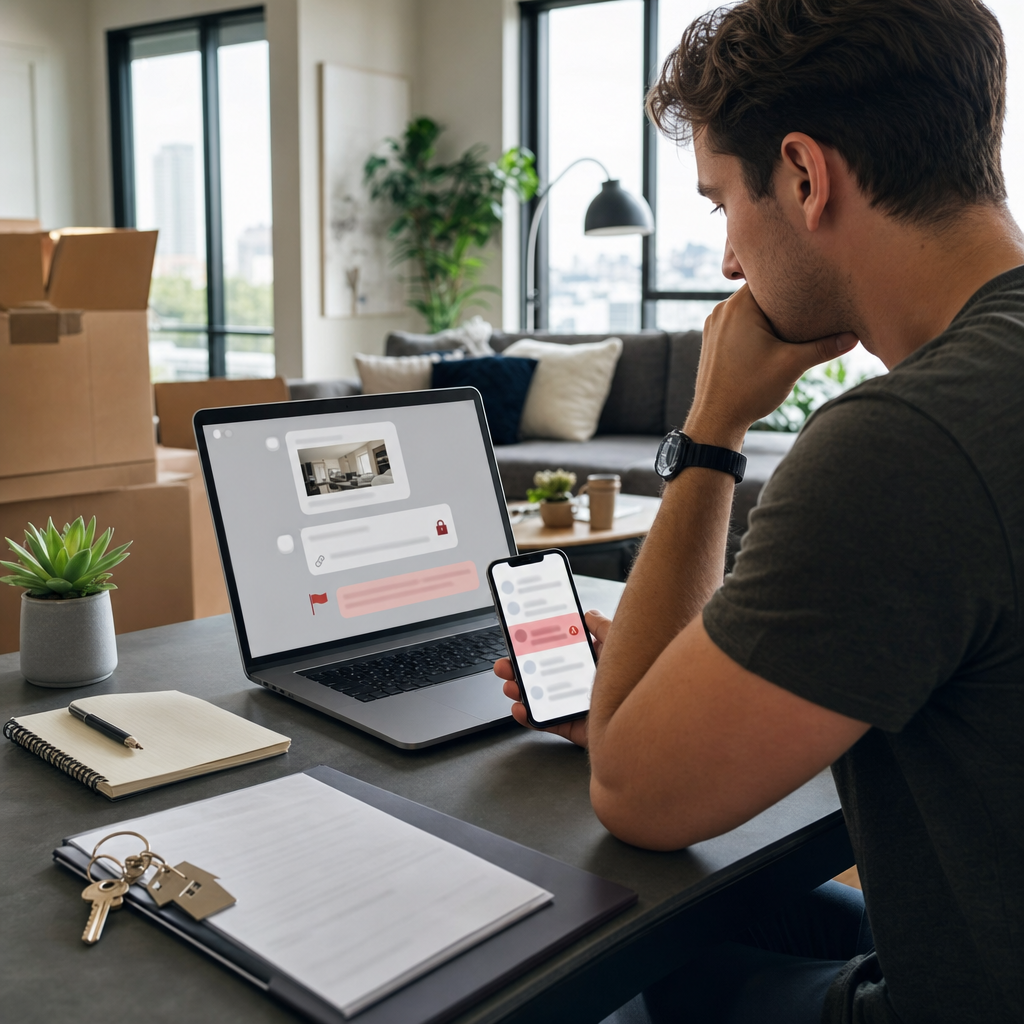
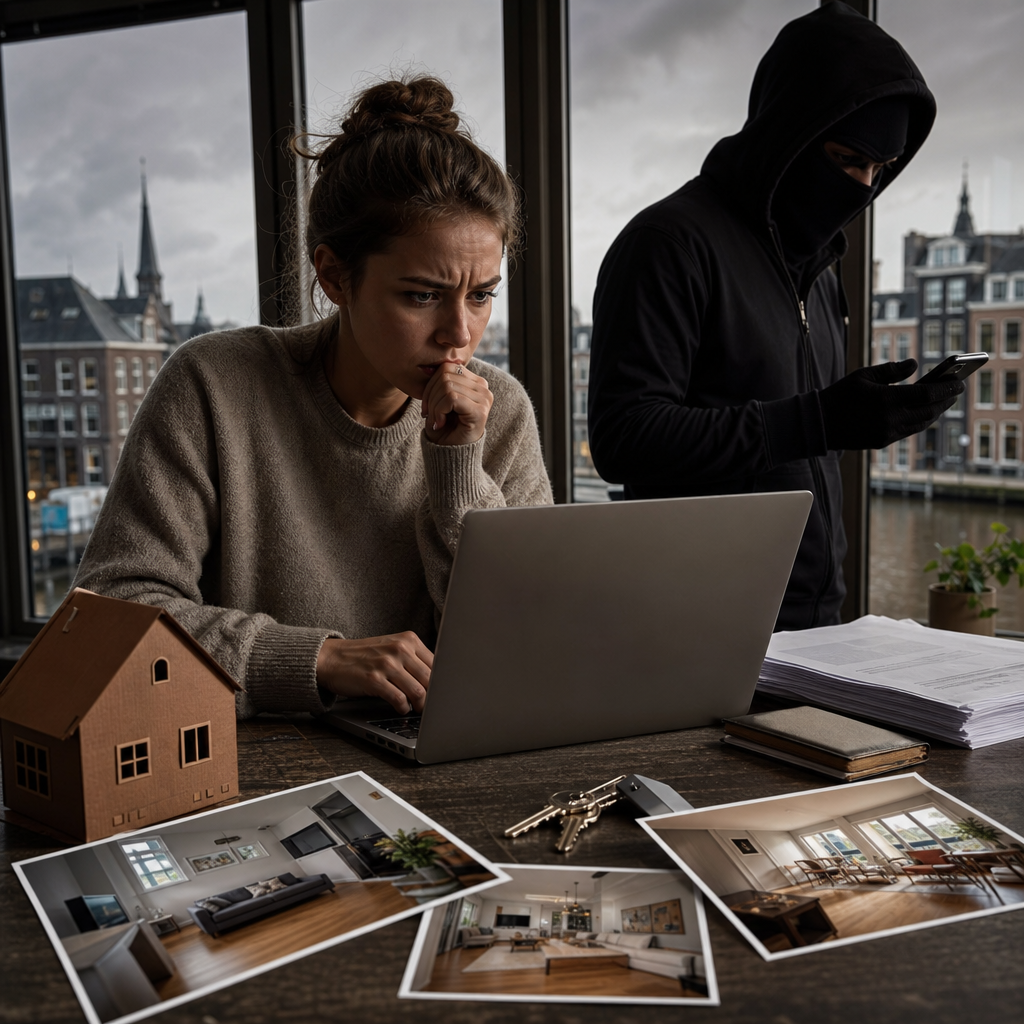
Finding an apartment in 2026 has never been faster — but neither has getting scammed. As rental demand keeps surging across Europe and the US, phishing has quietly become one of the most common tactics fraudsters use to trick house hunters. A single click on a shady link or one reply to a too-good-to-be-true message can cost you your deposit, your personal data, or even your identity.
In this guide, we break down exactly how phishing works inside the rental market, which links and messages you should never engage with, and how to verify a rental listing before it verifies your bank account — the wrong way.
Why Phishing Has Exploded in the Rental Market
The rental market is the perfect playground for scammers. Housing is urgent, emotional, and competitive. When you're relocating to Berlin for a new job or landing in New York for a semester abroad, you're likely to move fast — and that's exactly what fraudsters count on.
A typical rental scam starts with a fake rental listing on a classifieds site, a Facebook group, or even a Telegram channel. The photos look great, the price is slightly under market, and the "landlord" is friendly and responsive. Then comes the phishing hook: a link to "confirm your identity," pay a "holding fee," or view a "secure booking portal."
The three most common phishing scenarios
- Fake booking platforms: You receive a link that looks like Airbnb, Booking, or a well-known agency — but the URL is slightly off (e.g.,
airbnb-secure-rent.com). - Fake identity verification: The "landlord" asks you to upload your passport or ID via a suspicious portal, harvesting your data for identity theft.
- Rental deposit scam: You're pressured to wire a deposit via bank transfer, crypto, or gift cards to "secure the flat before someone else does."
Red Flags in Messages: What Scammers Actually Write
Phishing messages in the rental space follow predictable patterns. Once you learn them, they become easy to spot.
Emotional pressure and urgency
Scammers weaponize FOMO. Expect phrases like:
- "I have 10 other applicants, pay the deposit today to secure it."
- "I'm currently abroad, so we'll handle everything online."
- "Click here within 24 hours or the offer expires."
A real landlord almost never rushes you into wiring money before a viewing.
Off-platform migration
One of the biggest red flags is when a "landlord" immediately pushes you to leave the platform where the listing was posted. "Let's continue on WhatsApp," "email me directly," or "here's my private Telegram" are classic moves to escape moderation and reviews.
Broken language, copy-pasted stories
Many scam messages are translated by bots or copy-pasted across dozens of victims. Look for:
- Generic greetings ("Dear tenant")
- Unnatural phrasing or inconsistent tenses
- Emotional backstories (missionary abroad, doctor in Africa, deceased relative's flat)
Dangerous Links: How to Read a URL Before You Click
The link is where phishing turns into theft. Before clicking anything in a rental conversation, learn to read a URL like a pro.
The anatomy of a suspicious link
- Misspelled domains:
booking-rentals.net,airbnb-verify.com,zillow-secure.co - Extra subdomains:
payment.booking.trusted-host.ru - URL shorteners:
bit.ly,tinyurl,cutt.lyhiding the real destination - Unusual TLDs for legitimate brands:
.xyz,.top,.click,.zip
If you're ever unsure, don't click. Open a new tab and type the official website manually.
QR codes and PDF attachments
In 2026, phishing has evolved. Scammers now send QR codes in "contracts" or attach PDFs that redirect to malicious sites. Never scan a QR code from an unknown landlord, and never enable macros in a rental-related document.
How to Verify a Rental Listing Before Committing
You can dramatically reduce your risk by running a few quick checks. Here's a simple routine to verify a rental listing and avoid rental fraud.
The 5-minute verification checklist
- Reverse image search the photos on Google Images or TinEye. If they appear on multiple listings in different cities, it's a fake rental listing.
- Search the address on Google Maps and Street View. Does the building actually exist? Does it match the photos?
- Cross-check the price with the local median. Anything 20–30% below market for a great flat is suspicious.
- Ask for a live video tour. Scammers refuse; real landlords oblige.
- Verify the landlord's identity through official channels — not through a link they send you.
The golden rule about money
Never, ever pay a deposit before physically seeing the property or verifying it through a trusted intermediary. A classic rental deposit scam ends the moment you hit "send" on that bank transfer — and so does your contact with the "landlord."
How Roogle Helps You Stay Safe
At Roogle, we've seen thousands of house hunters lose time (and sometimes money) sifting through fake rental listings scattered across Facebook groups, Telegram channels, Reddit threads, and WhatsApp communities. That's exactly why we built the platform.
Roogle aggregates rental posts from dozens of community sources — Facebook, Telegram, Instagram, WhatsApp, Reddit, and local forums — and turns them into structured, comparable listings. Instead of scrolling endlessly and exposing yourself to scam bait, you get:
- Real-time alerts via Telegram, email, and push notifications when a new listing matches your filters.
- Direct links to the original source, so you can see the context and reputation of the poster.
- Access to "hidden" community listings that never appear on traditional portals.
- Time saved — hours of manual searching compressed into a clean, safe feed.
Because Roogle preserves the original source of each post, you can evaluate the poster's history, cross-reference with other channels, and avoid the phishing traps that thrive in isolated, unmoderated chats.
A quick mini-use case
Sofia, a graduate student moving from Madrid to Amsterdam, received three "amazing" offers within 24 hours of joining Facebook housing groups. Two of them asked for a €900 deposit through a suspicious payment link. Using Roogle, she compared each listing against real-time data from multiple channels, spotted that the photos had been reused, and eventually found a verified room through a legitimate community post — no phishing, no lost deposit.
Final Thoughts: Trust, But Verify
Phishing in rental listings isn't going away — if anything, AI-generated photos and cloned websites are making scams harder to detect in 2026. But with the right habits, you can stay one step ahead: read every URL carefully, never rush a payment, and always verify a rental listing across multiple sources before committing.
Better yet, let a smart aggregator do the heavy lifting for you. Visit roogle.app to explore live listings, set up instant alerts, and search rentals across Europe and the US with the peace of mind you deserve. Your next home should feel like a win — not a warning story.
Looking for rentals now?
Search hidden community listings across Facebook, Telegram, Reddit, forums and more — in one live feed with instant alerts.