How to Protect Your Personal Data During a Rental Search in 2026

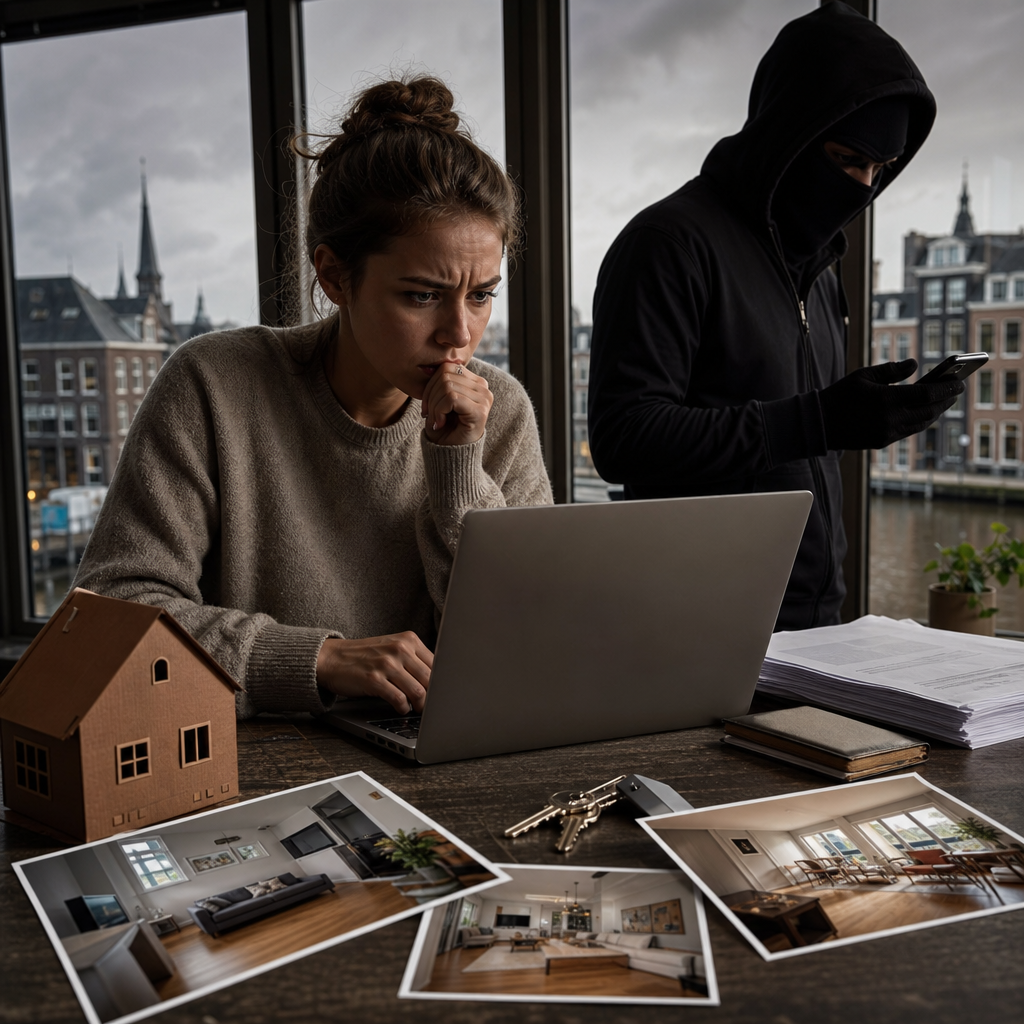
Searching for a new home should feel exciting — not risky. Yet in 2026, the rental market across Europe and the US has become a prime hunting ground for fraudsters. From cloned Instagram profiles to fake WhatsApp landlords asking for a deposit before you've even seen the keys, the volume of scams has exploded alongside the rise of social media rental posts.
The good news? With a few smart habits, you can dramatically reduce your exposure. This guide walks you through practical steps to protect your identity, your money, and your peace of mind — whether you're a student in Berlin, an expat in Barcelona, or a remote worker relocating to Austin.
Why Rental Scams Are Booming in 2026
Most apartment hunters no longer rely solely on traditional portals. They scroll Facebook groups, join Telegram channels, browse subreddits, and message strangers on Instagram. Scammers know this — and they exploit the informal, trust-based nature of these platforms.
Common red flags include:
- Rent that's suspiciously below market rate
- A landlord who is "currently abroad" and can't show the apartment
- Requests for a wire transfer, crypto payment, or gift cards
- Pressure to "reserve" the unit with a deposit within 24 hours
- Photos that reverse-search to other listings in other cities
A classic rental deposit scam works like this: you find a stunning studio in Paris for €650, the "owner" sends you a rental contract that looks legitimate, and asks for one month's deposit via bank transfer to "secure" the flat. The money vanishes — and so does the landlord.
Step 1: Guard Your Personal Data Before You Even Apply
Before you share a single document, ask yourself: does this person actually need it right now?
What NOT to send too early
- Full ID or passport scans
- Bank statements with account numbers visible
- Social Security Number, NIE, or Steuer-ID
- Payslips with employer details and full salary history
- Selfies holding your ID (a favorite tool for identity theft)
A legitimate landlord or agency typically only needs full documentation after a viewing and once mutual interest is established. If someone demands your entire dossier just to "schedule a visit," that's a warning sign.
Smart data-sharing habits
- Blur or redact sensitive numbers on documents
- Use a watermark like "For rental application – [Landlord Name] – [Date]"
- Create a dedicated email address for your housing search
- Never share documents over unencrypted channels when possible
Step 2: Verify the Rental Listing and the Person Behind It
Learning how to verify a rental listing is the single most powerful skill you can develop as a renter.
Reverse-search everything
Drop the listing photos into Google Images or TinEye. If the same photos appear on listings in three different cities, you're looking at a fake rental listing.
Cross-check the address
Use Google Street View to confirm the building exists and matches the photos. Search the exact address on other portals — if the same apartment is listed elsewhere at a very different price, one of them is fake.
Vet the landlord
- Search their name plus words like "scam," "fraud," or "review"
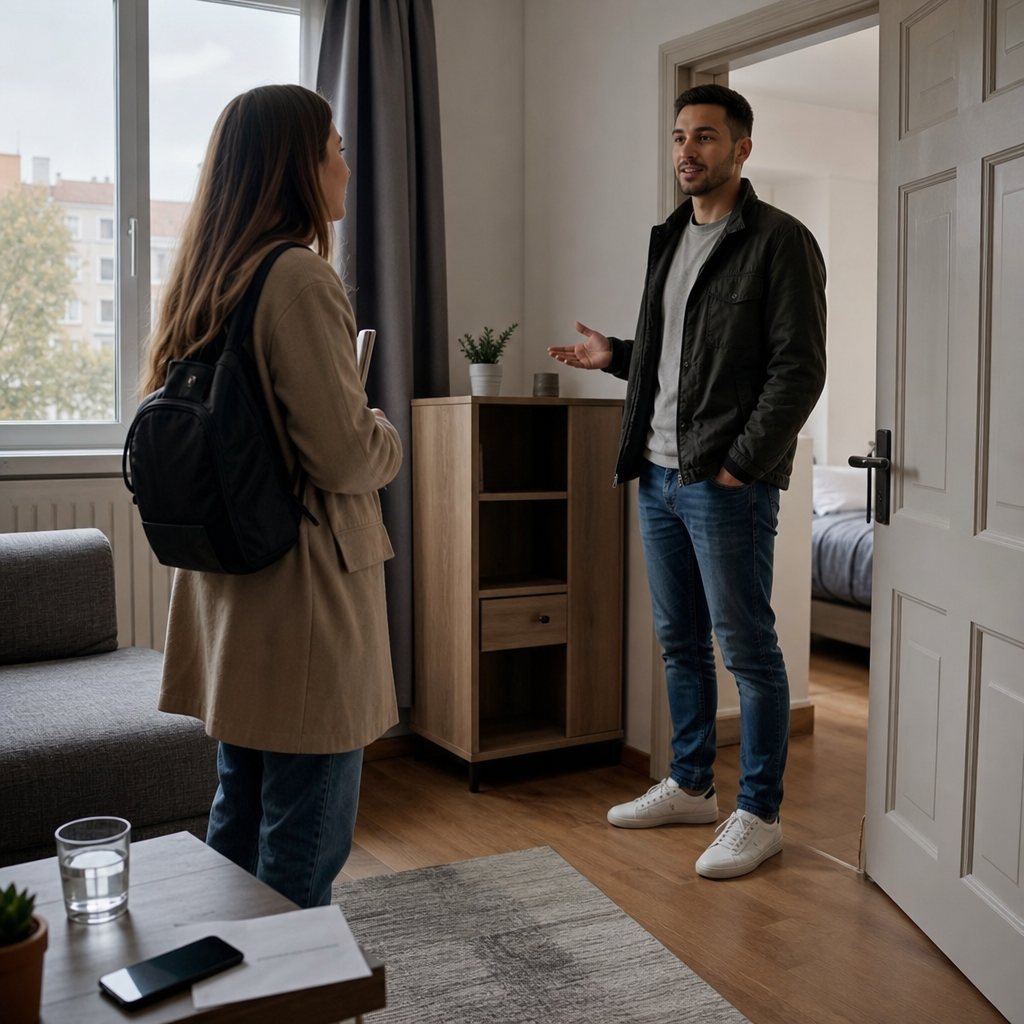
- Ask for a short video call before sending any documents
- Request a live video walkthrough if you can't visit in person
- In the EU, ask for the energy performance certificate (EPC) — scammers rarely have one ready
Step 3: Recognize the Most Common Rental Scam Patterns
To avoid rental fraud, learn to recognize the playbook. Here are the top scenarios reported in 2026:
- The absentee owner: "I moved to London for work, I'll ship you the keys via DHL after you pay the deposit."
- The fake agency: A polished website, logo, and contract — but no physical office and no license number you can verify.
- The hijacked listing: A real apartment reposted by a scammer at a lower price to lure victims.
- The overpayment scam: A "tenant" sends you a check for more than the deposit and asks you to refund the difference.
- The phishing form: A link to a fake application portal that harvests your ID and banking data.
If any part of the interaction feels off — trust that feeling. Trust is earned through transparency, not urgency.
Step 4: Secure Payments and Contracts
Even when the listing is real, the payment step is where money most often disappears.
Payment best practices
- Never pay before signing a written contract
- Avoid wire transfers to personal accounts abroad
- Refuse crypto, Western Union, MoneyGram, or gift card requests
- Use traceable methods: SEPA transfers within the EU, ACH in the US, or escrow services when available
- Get a signed receipt for every payment
Contract essentials
A valid rental contract should include the landlord's full legal name and ID number, the exact address, rent amount, deposit terms, contract duration, and both parties' signatures. In many EU countries, contracts must also comply with local tenancy laws — check your city's official tenant association website.
Step 5: Use Trusted Tools That Do the Vetting for You
This is where Roogle changes the game. Instead of manually scrolling Facebook groups, Telegram channels, Instagram, WhatsApp, Reddit, and community forums — and exposing yourself to every scammer along the way — Roogle aggregates rental posts from all these scattered sources into one clean, structured feed.
With Roogle you can:
- Access thousands of "hidden" community listings you'd otherwise miss
- Receive real-time alerts via Telegram, email, or push notifications the moment a matching listing appears
- See the direct link to the original source, so you can judge context and credibility
- Save hours of manual searching every week
- Move faster than scammers who rely on victims being desperate and rushed
By giving you speed and transparency, Roogle helps you engage only with listings you've had the time to properly evaluate — without oversharing your personal data with dubious "landlords."
Final Checklist Before Sending Any Document or Money
- I've reverse-searched the photos
- I've verified the address on Street View
- I've had a video call or in-person viewing
- The price aligns with the local market
- The contract is written, complete, and signed
- Payment goes to a verified account, never in crypto or gift cards
- I've redacted sensitive data on any documents shared
Trust, But Verify — and Let Roogle Help
A rental search in 2026 doesn't have to feel like walking through a minefield. By protecting your data, verifying every listing, and using aggregators like Roogle, you shift the balance of power back toward you — the renter.
Ready to search smarter and safer? Visit roogle.app, set up your personalized alerts, and discover how effortless — and secure — finding your next home can be. Because trust shouldn't be a gamble; it should be built into the tools you use.
Looking for rentals now?
Search hidden community listings across Facebook, Telegram, Reddit, forums and more — in one live feed with instant alerts.