Red Flags in Rental Contracts: Spot a Rental Scam Before You Sign

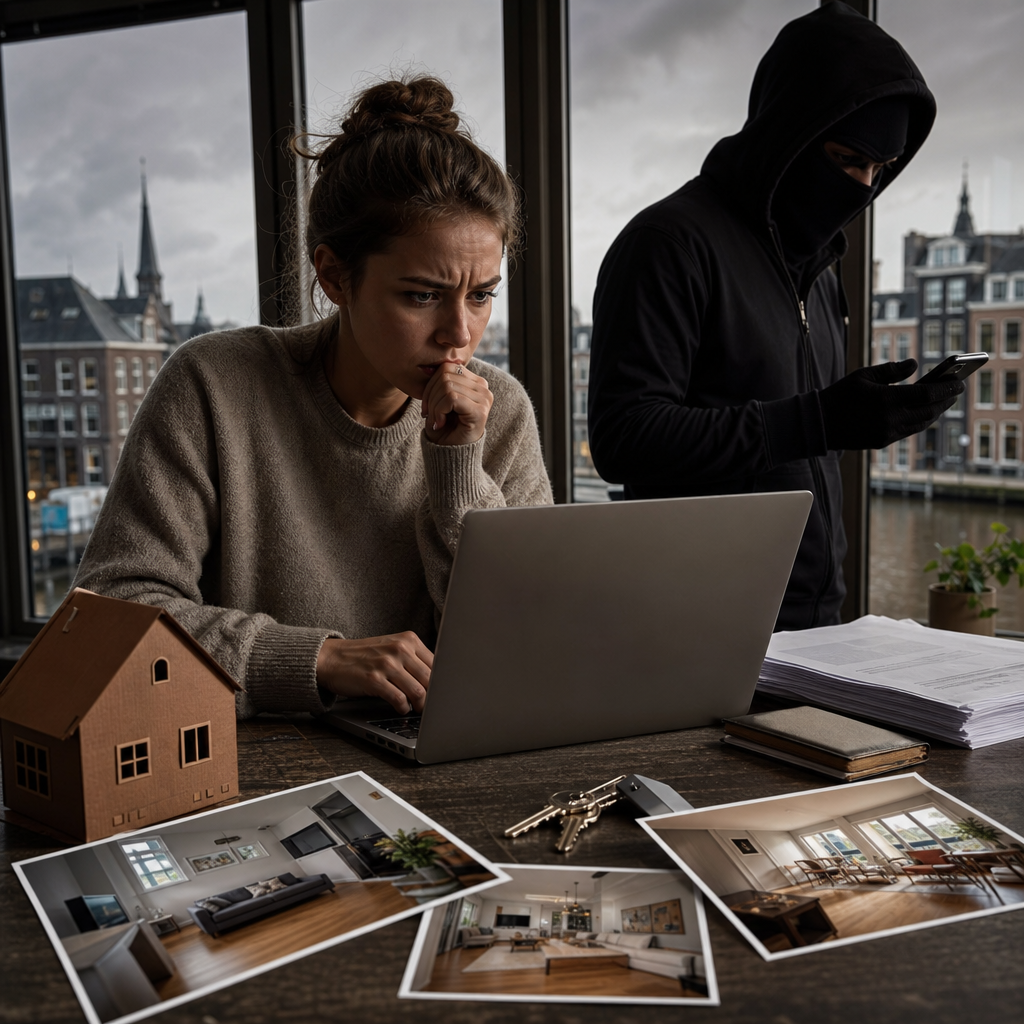
Finding a home in 2026 feels harder than ever. Rental markets across Europe and the US are tight, competitive, and increasingly digital — which unfortunately makes them a playground for fraudsters. Every week, thousands of hopeful tenants lose money to a rental scam, sign contracts with hidden traps, or discover the apartment they paid for doesn't even exist.
Before you hand over a deposit or sign anything, take a moment. This guide walks you through the biggest red flags in rental listings and contracts, how to verify a rental listing properly, and how tools like Roogle can help you avoid rental fraud from the very first click.
Why Rental Scams Are Booming in 2026
The combination of housing shortages, remote-work relocations, and the migration of listings to social platforms has created the perfect storm. A fake rental listing on Facebook Marketplace or a Telegram channel can look identical to a legitimate one — polished photos, a plausible price, a friendly "landlord" ready to chat.
Scammers exploit urgency. When you're desperate to move to Berlin, Barcelona, or Boston in two weeks, you're more likely to skip due diligence. Understanding the patterns is your first defense.
The most common scam types today
- The ghost listing: The apartment doesn't exist, or the "landlord" doesn't own it. Photos are stolen from real estate sites.
- The overseas landlord: They claim to be abroad and ask you to wire a deposit before viewing.
- The double-booked apartment: A real unit is rented to multiple victims simultaneously.
- The rental deposit scam: You pay a "holding fee" and never hear back.
- The bait-and-switch: You sign for one apartment and are handed keys to a worse one.
Red Flags in the Listing Itself
Before you even get to a contract, the listing itself often reveals the truth. Learning to verify a rental listing takes less than five minutes and can save you thousands.
Warning signs to watch for
- Price is dramatically below market. If comparable apartments rent for €1,400 and this one is €750, be very skeptical.
- Photos look too polished or generic. Run a reverse image search on Google Lens or TinEye. If the same photos appear on Zillow, Idealista, or ImmoScout under a different address, it's a scam.
- Vague or copy-pasted description. No mention of the neighborhood, no specific building details, no floor number.
- The "landlord" refuses a video tour. In 2026, a live video walkthrough is standard. Refusal is a massive red flag.
- Communication only via email or WhatsApp with a foreign number. Especially combined with a story about being stuck abroad.
- Pressure tactics. "Three other people are interested — send the deposit today to secure it."
Red Flags Inside the Rental Contract
Even when the apartment is real, the contract can be a trap. Read every clause. If it's in a language you don't fully understand, get it translated — many EU cities offer free tenant advisory services.
Clauses that should make you pause
- Unusually short notice periods for the landlord (e.g., they can evict you with 15 days' notice while you must give three months).
- Deposit above the legal maximum. In Germany it's three cold rents; in France one to two months; in Spain typically one to two months. Anything higher is illegal.
- Non-refundable "agency" or "reservation" fees paid to the landlord directly.
- Automatic rent increases not tied to a legal index.
- A ban on registering your address at the property — in Europe, this is often illegal and blocks you from residency paperwork.
- No inventory list attached, making it impossible to prove the condition of the flat when you move in.
- Missing landlord ID or property title reference. A legitimate lease names the owner and property registration details.
Mini use-case: Sofia in Lisbon
Sofia, an Italian remote worker, nearly signed a lease in Lisbon in early 2026. The contract asked for three months' deposit plus a €500 "key handover fee" — non-refundable. She paused, cross-checked local law, and discovered the landlord had no legal right to charge that fee. She walked away and found a verified listing through Roogle within a week.
How to Verify a Rental Listing Like a Pro
Trust is earned, not assumed. Here's a checklist that works in any country:
- Reverse image search every photo.
- Ask for the property's cadastral or land registry number and check it against the public register.
- Request a video call from inside the apartment, ideally with the landlord showing today's newspaper or a live timestamp.
- Never pay before visiting — in person or via verified live video.
- Pay via traceable methods (bank transfer to a named account), never via Western Union, crypto, or gift cards.
- Search the landlord's name and phone number in tenant forums and Reddit threads for your city.
- Verify the address exists on Google Street View and matches the building in the photos.
How Roogle Helps You Avoid Rental Fraud
Searching manually across Facebook groups, Telegram channels, Instagram, WhatsApp, Reddit, and local forums is exhausting — and it's exactly where scammers thrive, because listings are unstructured and unmoderated. Roogle was built to solve this problem.
Roogle aggregates rental posts from dozens of community sources across Europe and the US, transforms them into clean, structured listings, and flags suspicious patterns automatically. Instead of scrolling for hours, you get:
- Real-time alerts via Telegram, Email, or Push the moment a matching listing appears.
- Direct links to the original source, so you can always verify who posted and when.
- Access to hidden community listings that never reach the big portals — often the safest and most affordable options.
- Structured data (price, deposit, neighborhood, contact) so you can compare apples to apples and immediately spot outliers that suggest a fake rental listing.
By pulling everything into one dashboard, Roogle gives you back the hours you'd otherwise spend hunting — and the clarity you need to recognize a rental deposit scam before it costs you a cent.
What to Do If You Suspect a Scam
If a listing or contract feels wrong, trust your instinct. Then take action:
- Stop all payments immediately.
- Report the listing to the platform where you found it.
- File a police report in the country where the property is supposedly located — it's often required for bank reversals.
- Contact your bank within 24 hours; some transfers can still be recalled.
- Warn the community. Post in local expat and tenant groups so others don't fall for the same trick.
Conclusion: Rent Smarter, Not Faster
A rental contract is one of the biggest financial commitments most of us sign each year. Rushing into it because the market feels impossible is exactly what scammers count on. Slow down, verify, and use tools designed for the modern rental landscape.
Ready to search without the anxiety? Visit roogle.app and discover how structured listings, live alerts, and verified community sources can transform your housing hunt. Rent with confidence — because trust shouldn't be a gamble.
Looking for rentals now?
Search hidden community listings across Facebook, Telegram, Reddit, forums and more — in one live feed with instant alerts.