Rental Deposit Scams: How the Money Disappears (And How to Stop It)
The Silent Epidemic of Rental Deposit Scams
In July 2026, rental deposit fraud is quietly becoming one of the most costly online scams targeting everyday people. As housing markets tighten across Europe and the United States, desperate tenants are moving faster, transferring money sooner, and trusting strangers earlier than ever before. Scammers know this — and they have industrialized their tactics.
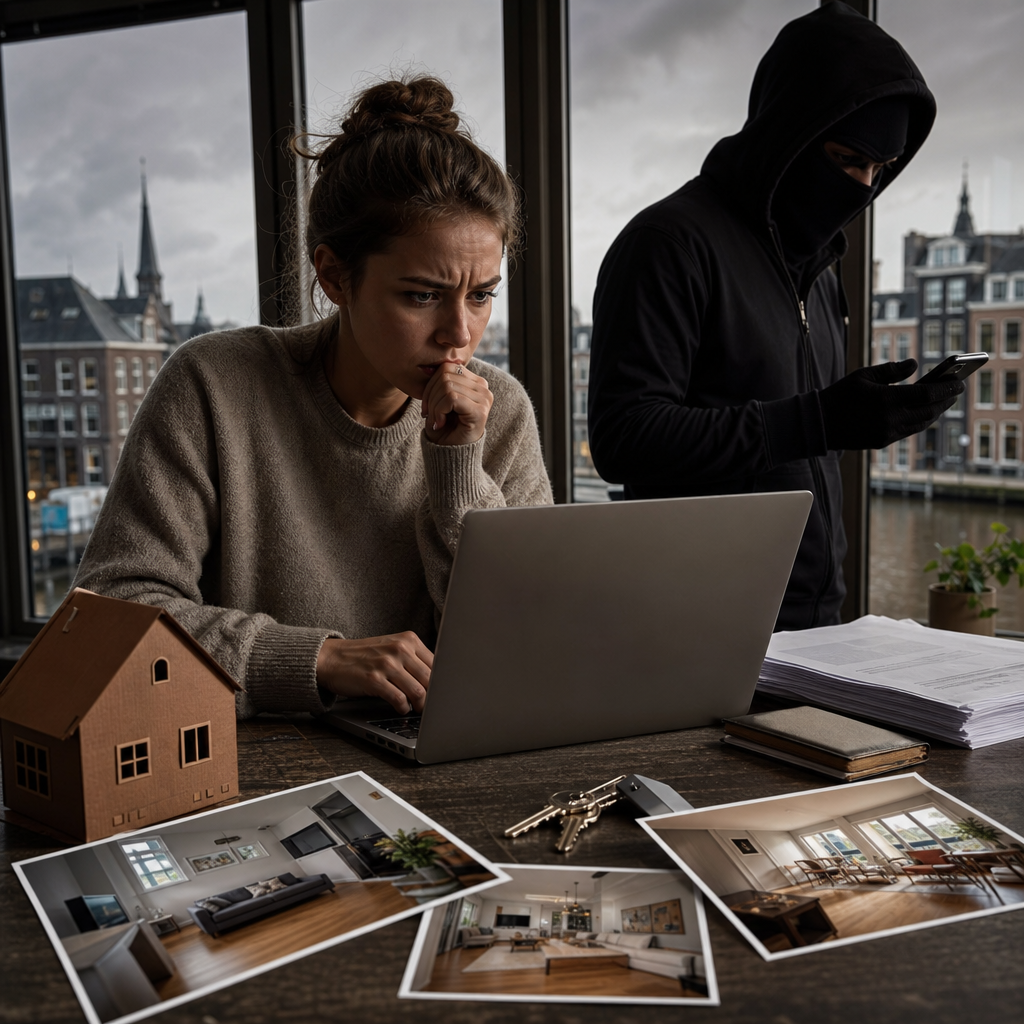
A rental scam rarely looks like a scam at first glance. It looks like the perfect apartment, at a fair price, from a friendly landlord who "just wants to help." Then the deposit is sent, the keys never arrive, and the listing vanishes. This article breaks down exactly how the money disappears, why victims fall for it, and how to avoid rental fraud before it happens to you.
How a Modern Rental Deposit Scam Works
Today's scammers don't rely on typos and broken English anymore. They use AI-generated photos, cloned listings, deepfaked video tours, and even fake identity documents. Here's the typical anatomy of a rental deposit scam in 2026:
- Step 1 — The bait: A fake rental listing appears on Facebook Marketplace, a local Telegram group, or even a legitimate portal. The price is 15–25% below market rate.
- Step 2 — The story: The "landlord" claims to be abroad (a common excuse: working in Dubai, deployed with NATO, or relocated for a job). They cannot show the apartment in person.
- Step 3 — The urgency: "Many people are interested. If you send the deposit today, it's yours."
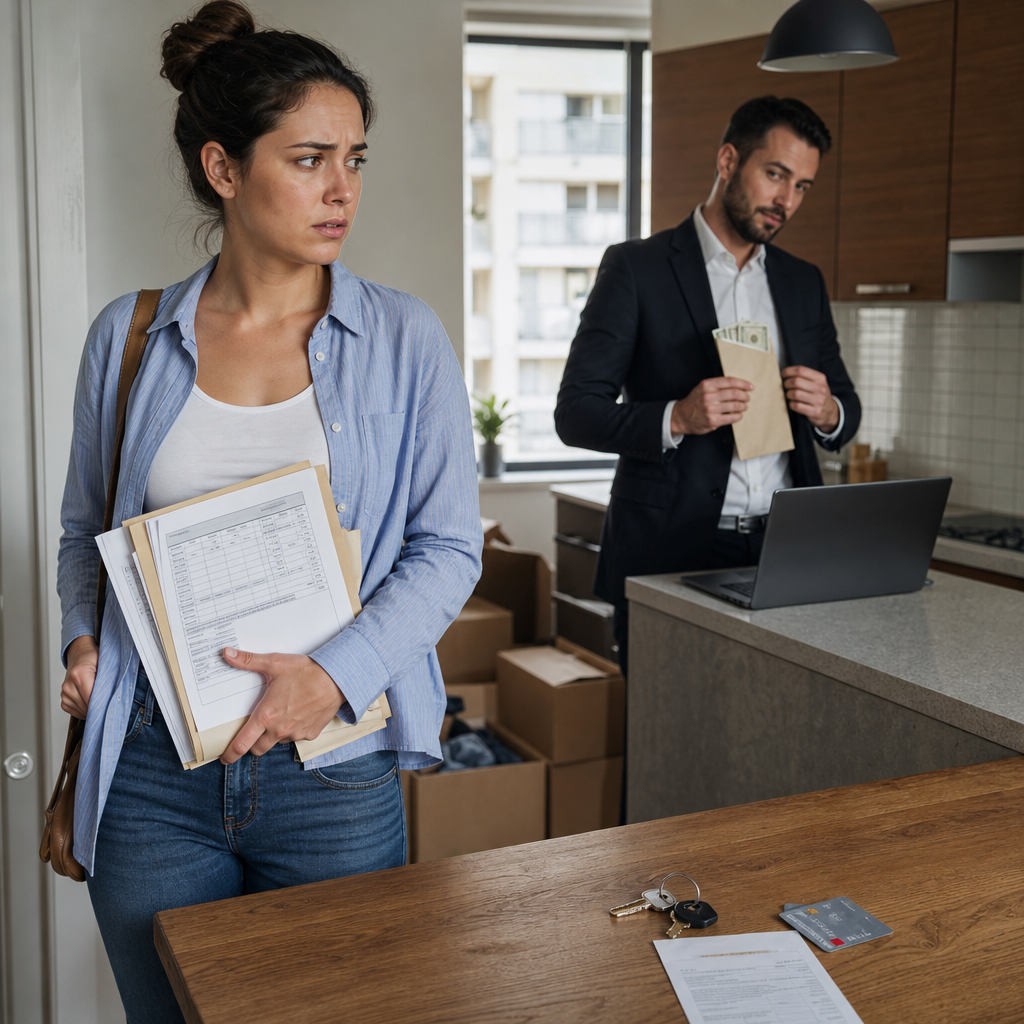
- Step 4 — The transfer: The victim wires 1–3 months of rent via SEPA, Zelle, Wise, or crypto.
- Step 5 — The disappearance: The profile is deleted, the phone number goes dark, and the money is gone.
Where the Money Actually Goes
Once the transfer clears, funds are typically routed through mule accounts in a third country, converted to crypto within minutes, and mixed through tumblers. By the time the victim files a police report, the money has crossed three borders. Recovery rates hover around 2–5%.
Red Flags Every Tenant Should Recognize
Whether you're a student in Berlin, an expat in Lisbon, or a young professional in Austin, the warning signs are universal. Learn to verify rental listing details before engaging emotionally with a property.
- The landlord refuses live video calls or in-person viewings.
- Payment is requested before signing a contract.
- The contract arrives as a low-quality PDF with mismatched fonts.
- The email domain doesn't match the alleged agency.
- Reverse image search reveals the photos are stolen from Airbnb or Zillow.
- The price is dramatically lower than comparable listings in the same neighborhood.
- The "owner" pressures you with a countdown or claims another tenant is about to pay.
Mini Case Study: Marta in Barcelona
Marta, a 27-year-old graphic designer, found a stunning two-bedroom in Gràcia for €950/month — hundreds below market. The landlord, "Thomas," said he was in Copenhagen and sent a notarized-looking lease. Marta transferred €2,850. Two days later, Thomas stopped replying. The apartment, it turned out, belonged to a real family who had never listed it. The photos had been scraped from Idealista six months earlier.
Why Trust Is Broken in the Rental Market
The core problem is trust. Rental platforms operate on the assumption that listings are legitimate, but moderation is thin and scammers move faster than takedowns. Meanwhile, community-based rentals — the ones shared in Facebook groups, WhatsApp chats, and Telegram channels — have become both the best deals and the highest-risk territory.
Genuine landlords post there because they want to skip agency fees. Scammers post there because moderation is nearly nonexistent. For the average renter, telling them apart is nearly impossible without tools.
How Roogle Rebuilds Trust in Community Rentals
This is exactly the problem Roogle was built to solve. Roogle is a first-of-its-kind aggregator that pulls scattered rental posts from Facebook, Telegram, Instagram, WhatsApp, Reddit, and community forums, then transforms them into structured, verifiable listings.
Here's how Roogle helps you avoid becoming the next victim:
- Source transparency: Every listing links back to the original community post, so you can see who posted it, when, and in what group.
- Real-time alerts: Get instant notifications on Telegram, Email, or Push the moment a new listing matches your criteria — meaning you no longer feel pressured to "pay now or lose it."
- Duplicate detection: Roogle flags listings that appear across multiple channels with mismatched details — a classic scam signature.
- Hidden inventory access: Instead of relying on scam-heavy marketplaces, Roogle surfaces genuine community listings you'd otherwise miss.
When you can see the original poster, cross-reference their history, and act at your own pace, scammers lose their most powerful weapon: urgency.
Practical Steps to Protect Your Deposit
Before sending a single dollar or euro, run this checklist:
- Insist on a live video tour with the landlord walking through the property, showing today's date on their phone.
- Reverse image search every photo using Google Lens or TinEye.
- Verify the landlord's identity through official land registries (Grundbuch in Germany, Catastro in Spain, Nota Simple in the same, or county assessor records in the US).
- Never pay via crypto, gift cards, or Western Union. Use traceable bank transfers only, and only after signing a contract.
- Meet in person or send a trusted friend to view the apartment.
- Cross-check the listing on Roogle to see if it exists on other platforms with different prices or landlords — a huge red flag.
What to Do If You've Already Been Scammed
- Contact your bank immediately and request a SEPA recall or ACH reversal.
- File a report with local police and get a case number.
- Report to national cybercrime units: IC3 (US), Signal Spam (FR), BKA (DE), INCIBE (ES).
- Warn the community — post in the same group where you found the listing.
The Future of Rental Trust
By 2026, rental fraud has evolved faster than platform moderation. But so have the tools to fight back. Aggregation, transparency, and real-time verification are the new armor for renters. The old model — refreshing 12 tabs, DMing 40 strangers, and hoping for the best — is dead.
Don't let a scammer decide where you live next. Explore verified community listings, get instant alerts the moment a real apartment goes live, and reclaim your time and peace of mind.
Visit roogle.app today and see how the smartest renters in Europe and the US are finding homes — without the scams, without the stress, and without losing their deposit to a stranger who never existed.
Looking for rentals now?
Search hidden community listings across Facebook, Telegram, Reddit, forums and more — in one live feed with instant alerts.