Rental Scams in the Netherlands: The Seven Tricks That Catch Expats and Students
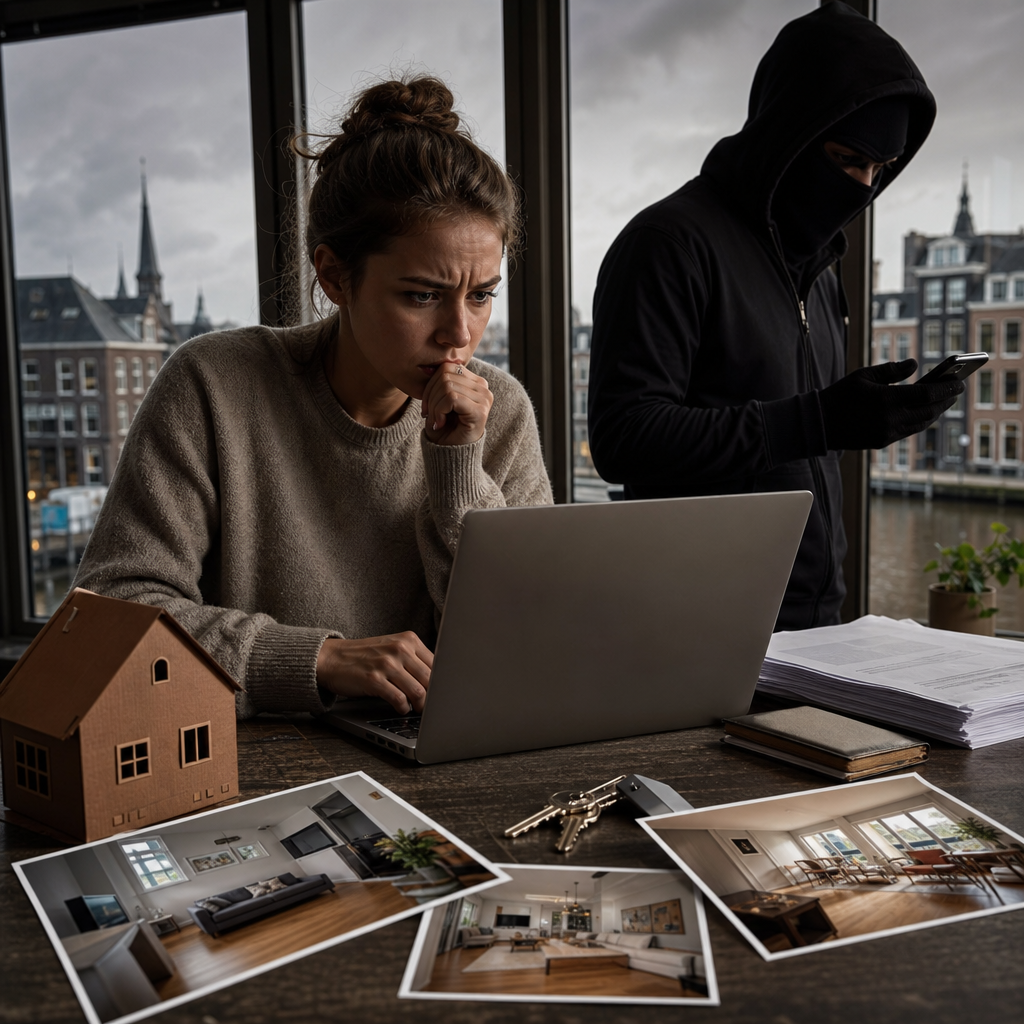
Finding a home in the Netherlands has never been easy, but for newcomers arriving in Amsterdam, Rotterdam, Utrecht, or The Hague, it can feel like navigating a minefield. Behind every attractive listing on Facebook or Marktplaats, there might be a genuine landlord — or a carefully crafted trap. Rental scams netherlands searches have exploded in recent years, and expats, international students, and tourists are the most vulnerable targets.
In this guide, we break down the seven most common tricks used by scammers, explain why they work so well in the Dutch market, and share practical steps to protect yourself before you transfer a single euro.
Why Rental Scams in the Netherlands Target Newcomers
The Dutch housing market has one of the tightest supply-demand ratios in Europe. Every September, tens of thousands of international students land in university cities looking for a room, while expats relocated by multinationals compete for the same limited stock. In this environment, hesitation costs you the apartment — and scammers know it.
Newcomers face a specific set of vulnerabilities:
- They rarely speak Dutch fluently and cannot always spot a suspicious phrasing.
- They do not know local price ranges and can be lured by 'too good to be true' deals.
- They often need to secure housing remotely, before arriving in the country.
- They are unfamiliar with Dutch rental contracts, deposit rules, and registration requirements.
This combination is exactly what fraudsters exploit when running housing scams netherlands style operations. The term huurfraude appears in Dutch police warnings almost weekly, and yet victims keep coming forward with the same painful stories.
The Housing Shortage as a Scammer's Best Friend
According to national housing reports, Amsterdam alone is missing tens of thousands of affordable rental units. In cities like Groningen, Leiden, and Delft, students routinely queue for viewings that host 40 or more candidates. This scarcity creates urgency, and urgency destroys judgment.
A classic apartment scam amsterdam scenario looks like this: a bright, sunny studio in Jordaan appears on a public group at 950 euros per month, all-inclusive. Within minutes, dozens of hopeful renters message the poster. The 'landlord' replies quickly, claims to be abroad, and asks for a deposit to 'secure' the flat. The listing is fake. The photos are stolen. The money is gone.
Understanding the psychology behind these tricks is your first line of defense.
Seven Rental Scams in the Netherlands, From Fake Landlords to Fake Agencies
While scammers constantly refine their playbook, most rental scams amsterdam and nationwide fraud attempts fall into seven recurring patterns. Learning to recognize them can save you thousands of euros and weeks of stress.
1. The Abroad Landlord
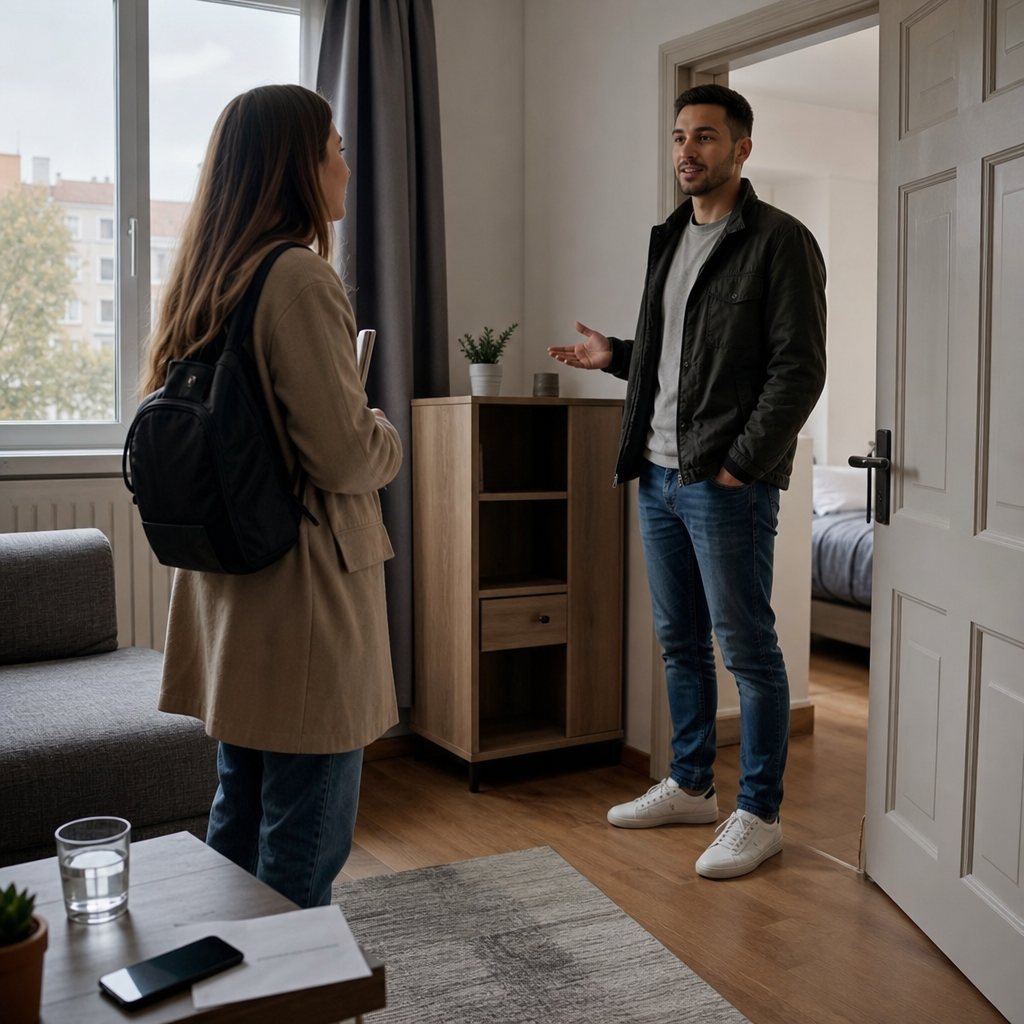
The supposed owner is 'currently in London, Dubai, or Singapore' and cannot show the apartment in person. They propose sending the keys via courier once you transfer the deposit and first month's rent. No serious Dutch landlord operates this way.
2. The Copied Listing
Scammers scrape genuine ads from Funda, Pararius, or Kamernet, republish them at a lower price on Facebook groups, and pose as the owner. If the same apartment appears on two platforms at very different prices, you are almost certainly looking at a fake landlord netherlands attempt.
3. The Deposit Before Viewing
A polite message asks for a 'reservation fee' or 'good faith deposit' before you are allowed to visit. Sometimes it is disguised as a background check or credit verification. In the Netherlands, no legitimate landlord or agency requires money before a viewing and a signed contract.
4. The Fake Agency Website
A slick website mimics a real estate brand, complete with logos, staff photos, and Kamer van Koophandel (KvK) numbers copied from real firms. Emails come from a lookalike domain. Always cross-check the KvK number on kvk.nl and call the agency using the phone number on their official site — not the one in the email.
5. The 'Send a Copy of Your Passport' Trap
Some scammers do not want your rent — they want your identity. They request a full passport scan, BSN number, and bank details 'for the contract.' Weeks later, your data is used for loans, phone contracts, or laundering. Never share full identity documents before a verified contract and always cover your BSN in preliminary copies.
6. The Overpayment Trick
You receive a 'transfer confirmation' for more than the deposit and are asked to refund the difference via bank transfer or crypto. The original payment never clears. This scam is especially common in expat WhatsApp groups.
7. The Ghost Roommate
A supposed tenant claims to be subletting a room. After payment, you discover the real landlord has no idea, the sublet is illegal, and you are asked to leave within days — with no refund.
These seven patterns cover the vast majority of huurfraude cases reported to Dutch consumer protection agencies. If a listing matches even one of them, walk away.
How to Verify a Dutch Rental Before Paying Anything
Avoiding fraud is not about paranoia — it is about applying a short verification checklist every time. The following steps are used by experienced expats and international student advisors across the Netherlands.
- Reverse image search the photos. Drop the pictures into Google Images or TinEye. If the same shots appear on listings in Berlin, Madrid, or Warsaw, run.
- Check the KvK number. Every legitimate agency is registered at the Chamber of Commerce. Search the number on kvk.nl and confirm the address matches.
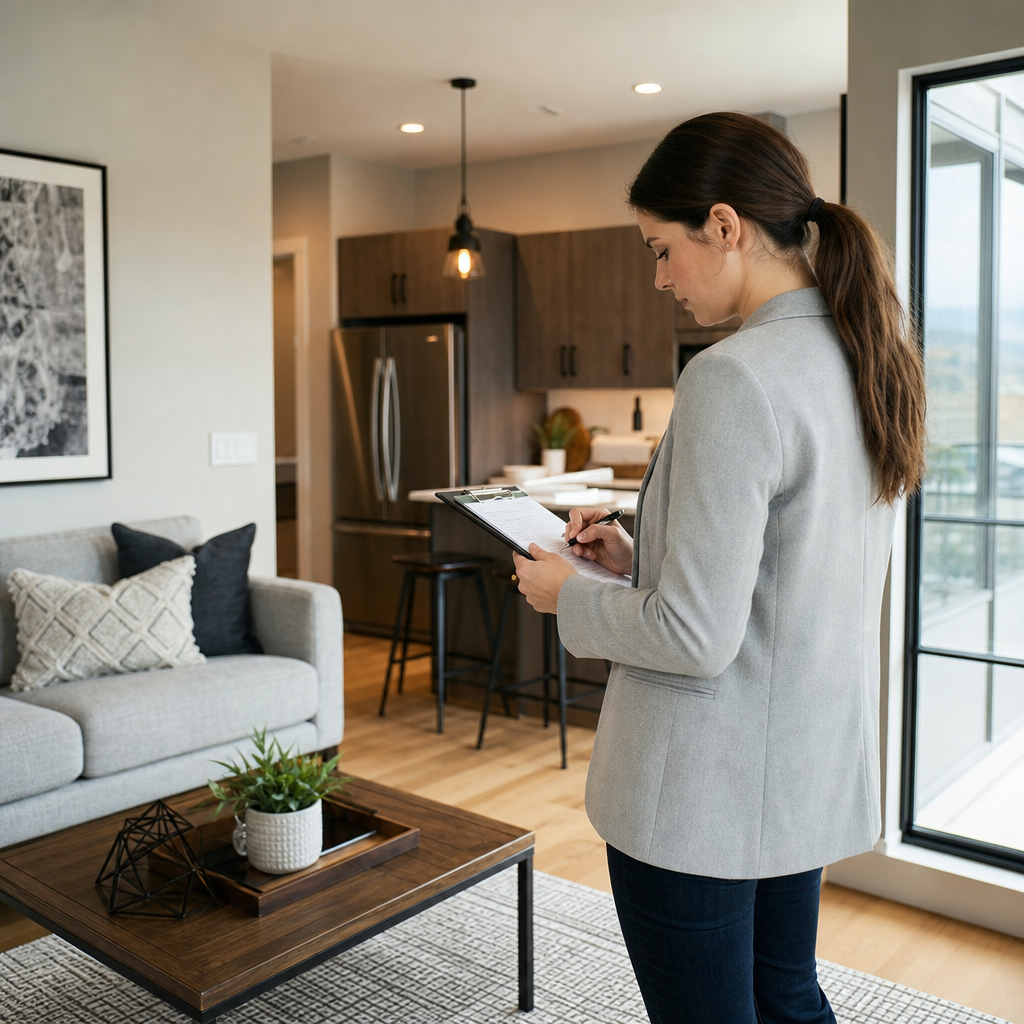
- Insist on a physical or live video viewing. A real landlord will happily walk you through the apartment on a video call and show today's newspaper or a written note.
- Ask for the WOZ value and energy label. These are public data points a real owner knows instantly.
- Cross-reference the address. Search the street on Funda and Pararius. If the same property is listed elsewhere by a different person, question everything.
- Never pay via crypto, Western Union, or gift cards. Use SEPA bank transfer to a Dutch IBAN with a name matching the contract.
- Sign a written contract in Dutch or bilingual format that references the Dutch Civil Code and includes proper deposit terms (maximum two months of rent).
Another powerful tactic is to use aggregators that continuously scan multiple sources and flag suspicious duplicates. Platforms like Roogle pull listings from Facebook groups, Telegram channels, Instagram posts, and WhatsApp communities into one structured feed. You can explore the dedicated Netherlands country feed here: https://roogle.app/search?country=Netherlands
This approach lets you compare prices across sources instantly, spot when the same photo is being reposted under different names, and save hours of manual scrolling.
Sticking to Verified Listings in the Netherlands
Even with all the checks in the world, the safest path is to start from a pre-filtered pool. Roogle offers a manually verified section where each posting has been reviewed by the team before publication. Instead of chasing every ad on public groups, you receive a curated stream of trustworthy opportunities: https://roogle.app/listings?source=manual
You can also enable live alerts via Telegram, Email, or push notifications, so the moment a genuine room or apartment matches your criteria in Amsterdam, Utrecht, or Eindhoven, you are among the first to react. In a market where the first ten messages get the viewing, being fast on verified listings beats being lucky on suspicious ones.
A quick reminder of what to prioritize:
- Verified sources over anonymous groups.
- Direct links to the original poster whenever possible.
- Live alerts instead of manual refresh loops.
- Community reports and duplicate detection to catch fake landlord netherlands attempts early.
Final Thoughts and a Safer Way to Search
The Dutch rental market rewards preparation and punishes hesitation, but it should never punish honesty. Every year, thousands of expats and students lose their deposits to preventable rental scams netherlands operators simply because they were rushed, tired, or unfamiliar with local practices. Now that you know the seven tricks and the verification checklist, you are already ahead of most newcomers.
If you want to skip the noise, avoid duplicated fraud attempts, and get real listings from verified sources with instant alerts, try Roogle today. Visit https://roogle.app/ set up your search for the Netherlands, and let a smarter aggregator do the heavy lifting while you focus on choosing your next home with confidence.
Looking for rentals now?
Search hidden community listings across Facebook, Telegram, Reddit, forums and more — in one live feed with instant alerts.