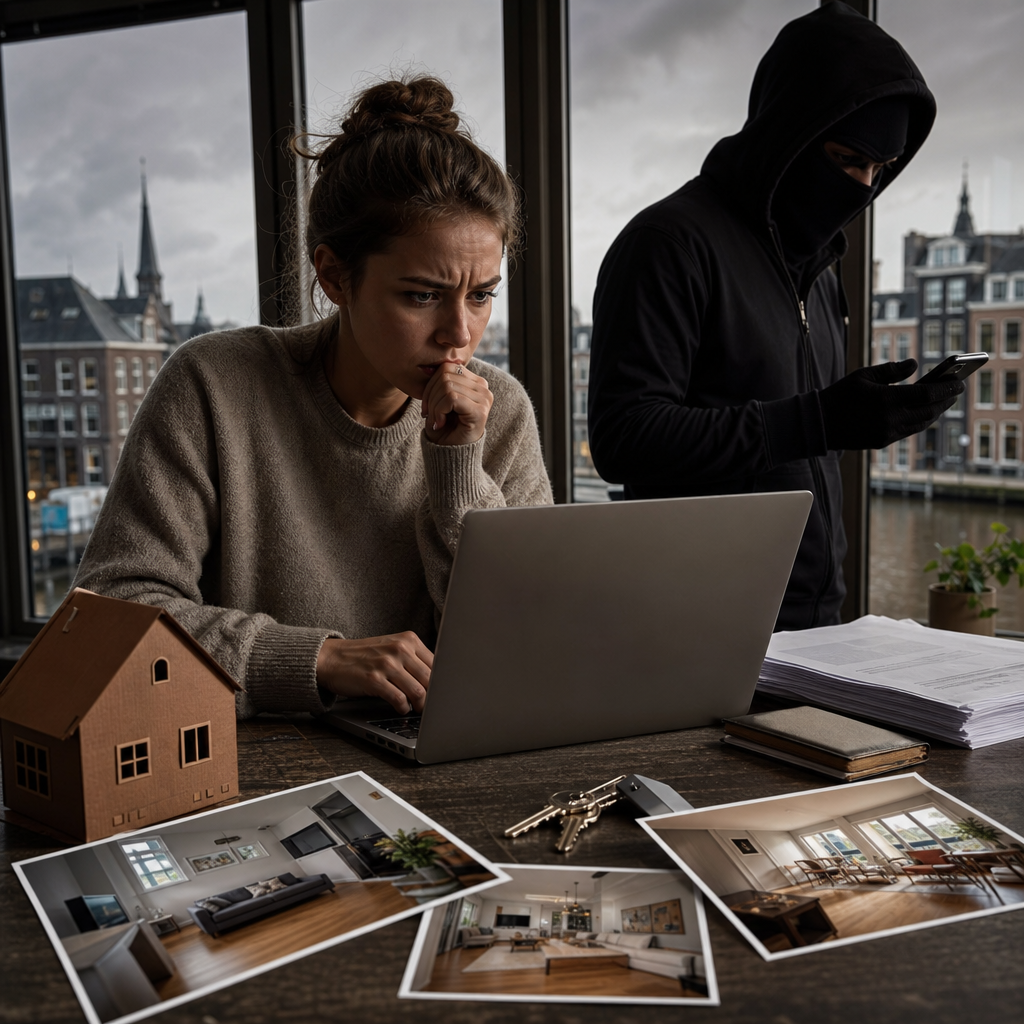
Reporting a Fraudulent Rental Listing: A Step-by-Step Guide
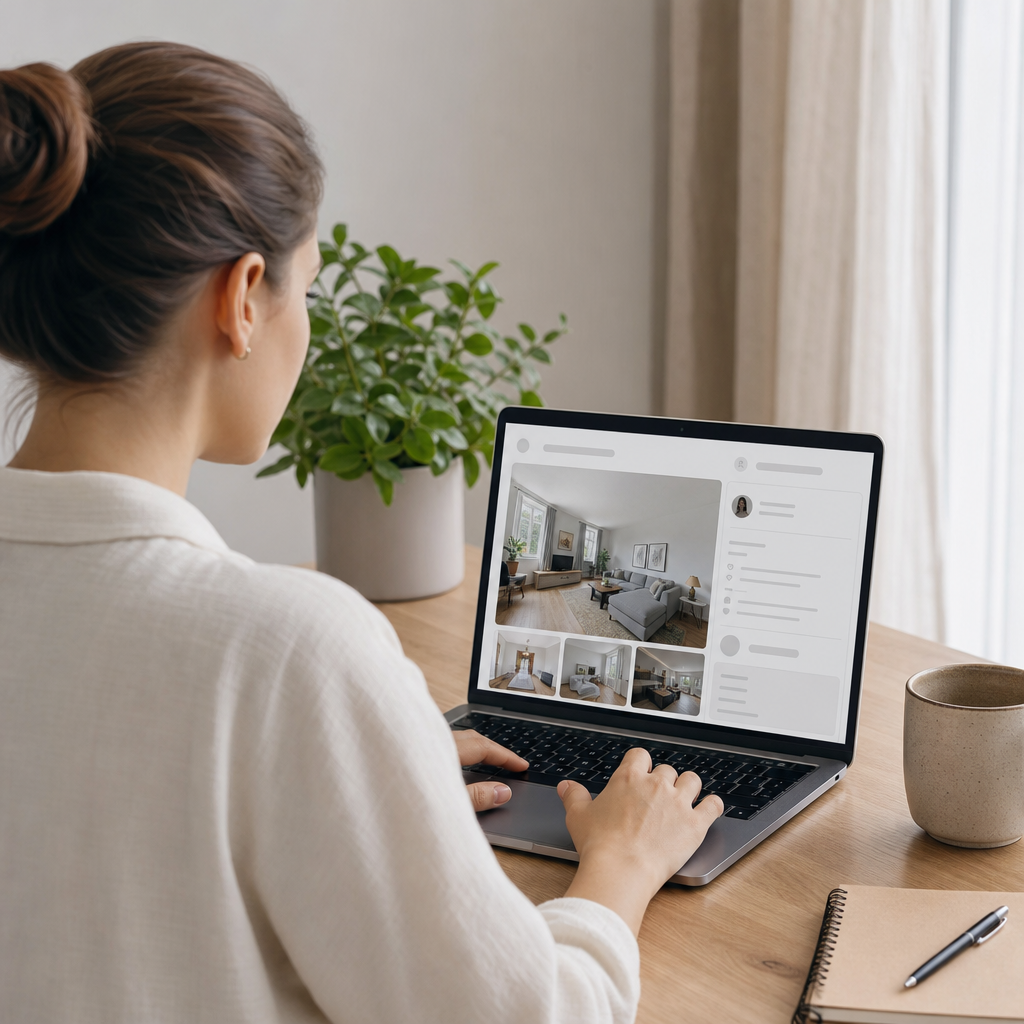
The housing market in 2026 moves faster than ever. With demand surging across major cities in Europe and the US, scammers have found fertile ground on Facebook groups, Telegram channels, WhatsApp broadcasts, and Instagram DMs. Whether you are a student in Berlin, an expat in Barcelona, or a young professional in New York, chances are you have already come across a suspicious rental post promising an unbeatable deal.
This guide walks you through exactly what to do when you encounter a fraudulent listing: how to recognize it, how to report it on every major platform, and how to protect fellow renters from falling into the same trap.
Why Reporting a Rental Scam Matters
Every unreported rental scam is an invitation for the next victim. Fraudsters typically operate in cycles: they post a stolen photo, collect deposits from several targets, disappear, and reappear a week later under a new identity. Reporting a fake rental listing breaks this chain and pressures platforms to strengthen moderation.
Beyond personal justice, reporting has three broader benefits:
- It helps platforms train their fraud-detection algorithms.
- It creates a public record that authorities can use in investigations.
- It builds community trust, especially in expat and student groups where housing information circulates fast.
The Real Cost of Rental Fraud
According to consumer protection agencies across the EU and the US, the average victim of a rental deposit scam loses between €800 and €3,000. The emotional cost — arriving in a new city with no home and no money — is often even greater.
Step 1: Recognize the Warning Signs
Before reporting, make sure you are indeed dealing with fraud. The most common red flags include:
- Prices well below market average — a two-bedroom in central Amsterdam for €600 is not a bargain, it is bait.
- Landlord "abroad" or unavailable in person — a classic excuse to justify wire transfers before viewings.
- Pressure to pay a deposit immediately to "secure" the flat.
- Requests for payment via crypto, Western Union, or gift cards.
- Generic photos that reverse-image search reveals on multiple websites.
- Poor grammar or copy-pasted descriptions across several cities.
To verify a rental listing, run the photos through Google Lens or TinEye, check the landlord's profile age, and ask for a live video tour before sending any money.
Step 2: Gather Evidence Before Reporting
A well-documented report gets processed much faster. Before clicking "report," collect:
- Screenshots of the listing (with URL and timestamp visible).
- The full conversation history with the fake landlord.
- Payment receipts, IBAN details, or crypto wallet addresses used.
- The scammer's phone number, email, and social media handles.
- Any documents they sent — fake IDs, forged contracts, or bogus utility bills.
Save everything in a single folder. You will need this for the platform, your bank, and potentially the police.
Step 3: Report on the Platform Where You Found It
Each platform has its own reporting mechanism. Here is how to avoid rental fraud spreading further on the most common channels.
Facebook and Facebook Marketplace
- Click the three dots on the post or listing.
- Select Report post → Scam or fraud.
- Add screenshots and a short description.
- Additionally, notify the group admins so they can ban the user immediately.
Telegram
Forward the message to @notoscam or use the in-app Report → Scam option. In housing channels, tag the admin directly — most reputable groups have zero tolerance for fraud.
Instagram and WhatsApp
On Instagram, tap the profile → three dots → Report → Fraud or scam. On WhatsApp, open the chat → tap the contact name → Report contact and block.
Craigslist, Idealista, SeLoger, ImmobilienScout24
All major classified sites have a "Report this listing" button. Use the fraud category and include your evidence. Most portals remove flagged listings within 24 hours.
Step 4: Report to Authorities and Your Bank
If money has already changed hands, act within the first 24 hours.
- Contact your bank immediately to attempt a chargeback or SEPA recall.
- File a police report — required for insurance claims and often for bank refunds.
- Report to national cybercrime units: IC3 (US), Signal Spam or Pharos (France), BKA (Germany), INCIBE (Spain), Action Fraud (UK).
- Notify consumer protection agencies such as the European Consumer Centre if the scammer operates cross-border.
Even if recovery seems unlikely, the paper trail matters. Investigators often connect dozens of small reports into large-scale takedowns.
Step 5: Warn the Community
Once your report is filed, help others avoid the same scam:
- Post a warning in the same Facebook or Telegram group.
- Leave a review on the landlord's profile if the platform allows it.
- Share the scammer's IBAN or phone number on scam-tracking databases like scamsearch.io.
Community vigilance is often faster than official moderation, especially in tight-knit expat networks.
How Roogle Helps You Avoid Rental Scams from the Start
Manually scanning dozens of Facebook groups and Telegram channels is exhausting — and it exposes you to fraud precisely because you are rushing. This is where Roogle changes the game.
Roogle aggregates rental posts from Facebook, Telegram, Instagram, WhatsApp, Reddit, and community forums into a single, structured feed. Every listing is:
- Automatically parsed and de-duplicated, so recycled scam posts are easier to detect.
- Linked to its original source, letting you verify the poster's history in one click.
- Filtered by real-time alerts via Telegram, Email, or Push, so you get genuine offers before scammers can react.
- Flagged by the community when suspicious patterns emerge.
Instead of spending three hours a day scrolling and second-guessing, you spend three minutes reviewing pre-vetted listings. Trust is built into the workflow.
A Quick Use Case
Maria, a PhD student moving to Munich in September 2026, joined seven Facebook housing groups and lost €1,200 to a fake landlord in her first week. After switching to Roogle, she received 14 verified listings in three days, contacted the original posters directly, and signed a real lease within a week — with zero upfront transfers.
Final Thoughts: Trust Is the New Currency of Rental Search
Rental fraud will not disappear overnight, but every report you file tightens the net. Recognize the signs, document everything, use platform tools, involve authorities, and warn your community. Together, renters and platforms can make fake rental listings the exception, not the rule.
And if you would rather skip the scam-dodging altogether, let technology do the filtering for you. Visit roogle.app today, activate your personalized alerts, and discover how effortless — and safe — the rental search can be in 2026. Your next home is out there. Let Roogle help you find it, without the fraud.
Looking for rentals now?
Search hidden community listings across Facebook, Telegram, Reddit, forums and more — in one live feed with instant alerts.