
How to Save and Organize Rental Listings Like a Pro in 2026
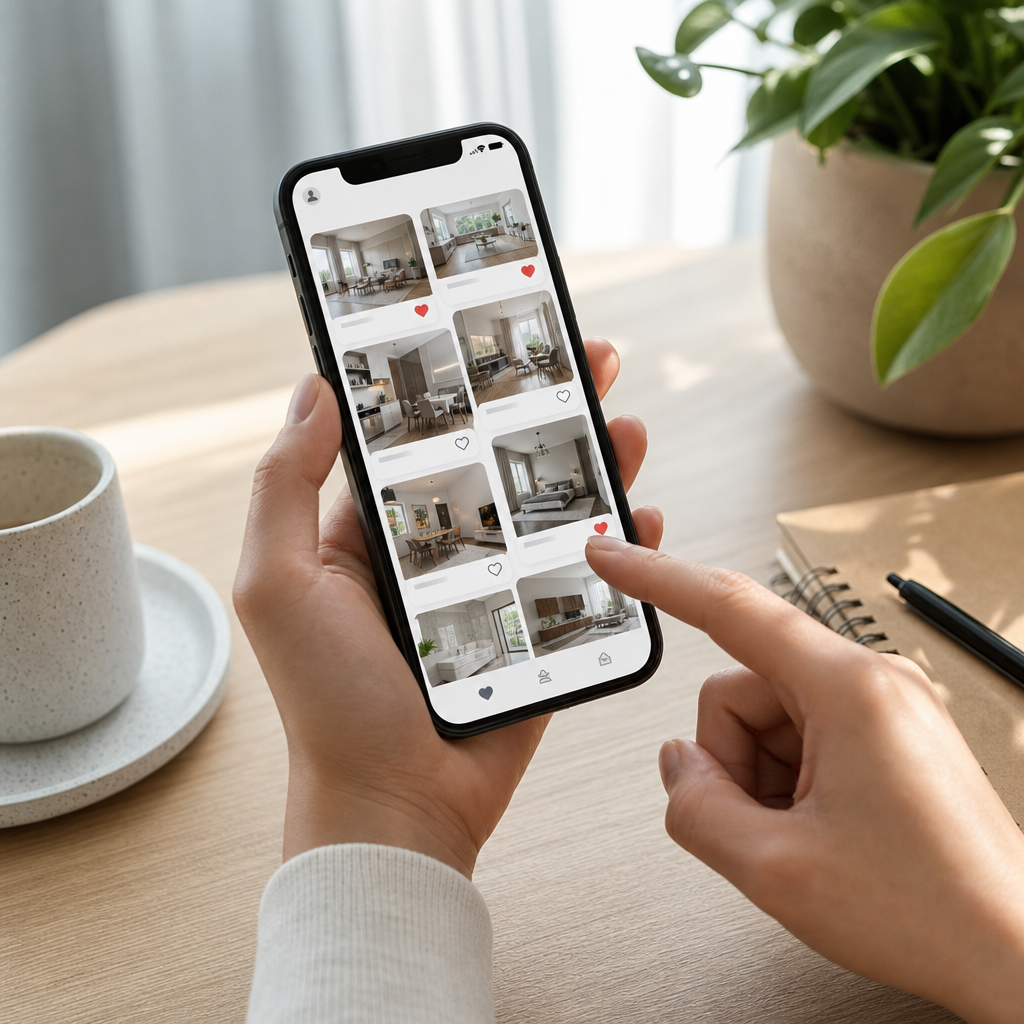
The 2026 rental market moves faster than ever. A promising apartment for rent Lyon can appear on a Facebook group at 9:03 AM and be gone by 9:47 AM. If your only strategy is bookmarking tabs or screenshotting posts, you're already behind. The winners in today's rental search are the people who treat their apartment hunt like a mini-project: they save, tag, and track every listing systematically.
This guide walks you through a proven system to save and organize rental listings, avoid duplicates across platforms, and respond to landlords within minutes — not hours.
Why Organizing Your Rental Search Matters More Than Ever
In most European cities and major US metros, the average competitive listing receives 30 to 80 inquiries in the first hour. If you want to find apartment fast, disorganization is your worst enemy.
Here's what typically goes wrong when hunters don't have a system:
- They message the same landlord twice, looking unprofessional.
- They forget which listing had the balcony, which had bills included, and which was scam-flagged.
- They lose the original link when they finally get a callback.
- They miss follow-ups because messages get buried across five apps.
A structured approach solves all of this — and pairs perfectly with tools that aggregate scattered posts into one clean feed.
Step 1: Centralize Everything Into One Inbox
The biggest mistake is scattering your search across Facebook groups, Telegram channels, Instagram DMs, WhatsApp community chats, Reddit threads, and classifieds. You cannot compare what you cannot see side by side.
The Roogle approach
Roogle scans thousands of community sources and turns unstructured posts into standardized listings with price, size, location, and a direct link to the original source. Instead of jumping between apps, you get one clean stream — ideal if you're looking for rental listings direct from owner or want to rent without agency.
Once everything lives in one place, saving and organizing becomes trivial.
Step 2: Build a Simple Listing Tracker
Whether you use Roogle's built-in favorites, a Notion board, or a plain Google Sheet, every listing you save should capture the same core fields:
- Address / neighborhood (e.g., Croix-Rousse, Part-Dieu, Confluence)
- Monthly rent + charges (are utilities included?)
- Size in m² or sq ft
- Source platform and direct link
- Landlord contact and first-contact date
- Status: New / Contacted / Visit booked / Rejected / Applied
- Personal score (1–5) so you can rank quickly
Mini use case: Marta, exchange student in Lyon
Marta arrived in August 2026 with three weeks to find housing. She used Roogle to catch location appartement Lyon posts across Telegram and Facebook, saved 22 listings, tagged 8 as "visit worthy," and booked 5 viewings in 48 hours. Her tracker showed that two "different" ads were actually the same flat reposted — saving her from double-messaging the owner.
Step 3: Use Tags and Filters Smartly
Saving a listing is only useful if you can find it again in five seconds. Use short, consistent tags:
#pets-ok#furnished#no-agency-fees#short-term#student-friendly#scam-suspected
Combine tags with filters like max rent, minimum size, and neighborhood shortlist. This turns 200 saved listings into a manageable top 10 in seconds.
Step 4: Set Up Real-Time Alerts (This Is Where Most People Lose)
Manual refreshing is dead. In 2026, the fastest tenants win. Roogle sends live alerts via Telegram, email, and push notifications the moment a listing matching your criteria appears in any monitored community.
Why this matters:
- You can respond in under 5 minutes — often before the post gets 10 comments.
- You catch "hidden" listings shared only in private groups.
- You stop wasting evenings scrolling and start viewing actual apartments.
Combine alerts with a saved-message template on your phone, and you'll double your reply rate overnight.
Step 5: Prepare Your Rental Application Checklist in Advance
Organizing listings is only half the battle. When a landlord replies, you have minutes — not days — to send a complete file. Build your rental application checklist now and store it in a cloud folder:
- Government-issued ID or passport
- Last 3 payslips or proof of scholarship/funding
- Employment contract or student enrollment certificate
- Previous landlord reference (if available)
- Guarantor documents (crucial in France and Germany)
- A short, warm introduction letter (2–3 sentences)
With one link to a shared folder, you become the easiest tenant to say yes to.
Step 6: Regularly Prune Your Saved Listings
Every two or three days, spend five minutes cleaning up:
- Archive listings that are rented or unanswered after 48 hours.
- Move promising ones to a "hot" shortlist.
- Note red flags: prices too good to be true, requests for wire transfers before viewing, or landlords refusing video calls.
A lean, curated list keeps your mental energy focused on the apartments that actually deserve it.
Bringing It All Together
A successful rental search in 2026 isn't about luck — it's about workflow. Centralize sources, save with structure, tag intelligently, get alerted instantly, and keep your paperwork ready. Whether you're an exchange student in Lyon, a remote worker relocating to Berlin, or a family moving to Austin, the same system works.
And this is exactly where Roogle changes the game. Instead of drowning in Facebook groups and Telegram channels, you get a single organized feed of rental listings direct from owner, powerful favorites and filters, and real-time alerts that arrive before the crowd. Hours of manual scrolling become minutes of focused action.
Ready to stop losing apartments to slower hunters? Visit roogle.app, set up your first alert, and experience what a truly organized rental search feels like.
Looking for rentals now?
Search hidden community listings across Facebook, Telegram, Reddit, forums and more — in one live feed with instant alerts.