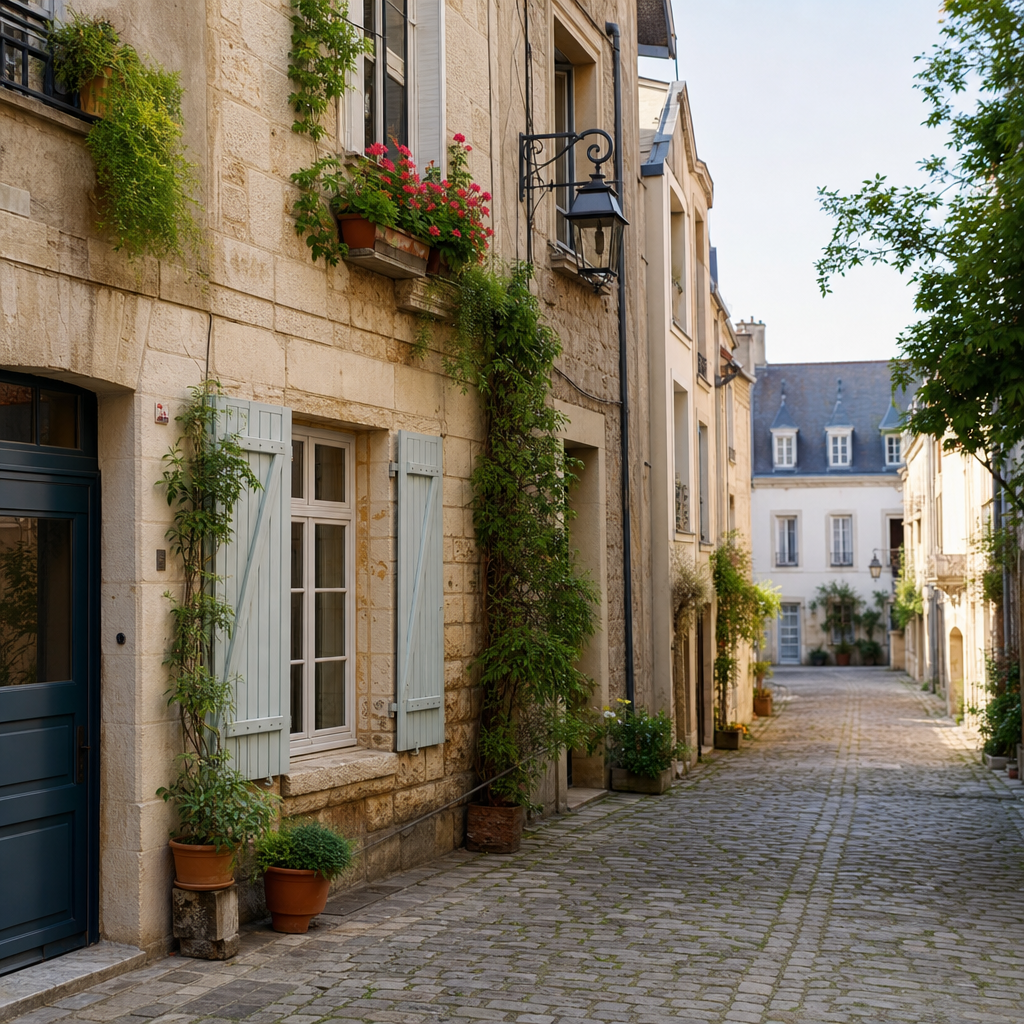
Temporary vs Permanent Housing: The Smart Expat's Guide to Relocating to France

Why Your First Housing Decision in France Matters
When you're planning an expat relocation to France, the choice between temporary and permanent housing is often the very first serious decision you'll face — and one of the most expensive ones to get wrong. Whether you're moving to France for a new job in Paris, a university program in Lyon, or a quieter life on the Côte d'Azur, your initial living arrangement shapes your budget, your paperwork, and even your mental sanity during the first months.
The French rental market is famously bureaucratic. Landlords ask for pay slips, tax returns, French guarantors, and sometimes even a personal interview before handing you the keys. For someone who just landed, this can feel like an impossible puzzle. That's exactly why understanding the difference between short-term flexibility and long-term commitment is essential before signing anything.
Temporary Housing: Your Landing Pad in France
Temporary housing is typically defined as any rental under 12 months — think furnished studios, aparthotels, corporate housing, sublets, or platforms like Airbnb and mid-term rental sites. For most expats renting in France as expat newcomers, this is the smartest first step.
When Temporary Housing Makes Sense
- You haven't visited the neighborhood in person yet
- Your job contract is still in a probation period
- You need a French address quickly to open a bank account
- You want to explore different arrondissements or cities before committing
- You don't yet have French pay slips or a guarantor
Typical Options
- Furnished short-term apartments ("location meublée courte durée"): flexible but pricier per month
- Aparthotels (Adagio, Citadines): great for the first 2–8 weeks
- Colocation (shared flats): budget-friendly and social, ideal for students and young professionals
- Corporate housing: often covered by relocation packages
A realistic mini-case: Sofia, an Italian software engineer who moved to Bordeaux in early 2026, spent her first two months in a furnished sublet at €1,400/month. That gave her time to open a bank account, secure her first French pay slips, and scout neighborhoods before signing a long lease at €820/month — saving her thousands over the year.
Permanent Housing: The Long Game
Permanent rentals in France usually mean an unfurnished 3-year lease (bail vide) or a 1-year furnished lease (bail meublé). This is where expat housing France becomes a real challenge — but also where you unlock genuine savings and stability.
The Documents You'll Need
- Passport or residence permit
- Last 3 pay slips (French, ideally)
- Employment contract
- Last tax notice (avis d'imposition)
- French guarantor OR a paid guarantor service (Garantme, Visale, SmartGarant)
- Proof of previous rent payments
The Guarantor Problem — and How to Solve It
One of the biggest obstacles when you relocate to France is the guarantor requirement. Most landlords want a French individual earning 3–4x the rent to co-sign. If you don't know anyone in France, don't panic.
Options to rent without guarantor France:
- Visale: a free public guarantee scheme for people under 30 or new employees
- Garantme / SmartGarant: private services charging around 3.5–4.5% of annual rent
- Paying several months upfront: some landlords accept 3–6 months in advance
- Corporate landlords: large agencies like Nexity or Foncia sometimes have expat-friendly packages
Cost Comparison: Temporary vs Permanent
Let's look at concrete numbers for a 40 m² apartment in a major French city in 2026:
- Short-term furnished (Airbnb-style): €1,800–€2,800/month
- Mid-term furnished (1–9 months): €1,200–€1,800/month
- Long-term furnished (bail meublé): €900–€1,400/month
- Long-term unfurnished (bail vide): €700–€1,100/month + furniture cost
The temporary premium is real: you often pay 40–80% more per month for flexibility. But if you sign a long lease in the wrong neighborhood, you may pay far more in stress, transport, and eventual break-lease fees.
The Hidden Market: Where Real Deals Live
Here's a secret most relocation guides won't tell you: the best rentals in France rarely appear on the big portals. They circulate in Facebook groups, Telegram channels, WhatsApp community chats, and Reddit threads — often taken within hours of being posted.
Expats in Paris know that groups like "Housing in Paris" or "Colocation Lyon" can list a €650 studio near a metro station that vanishes before it ever reaches SeLoger or LeBonCoin. The problem? You'd need to monitor dozens of sources 24/7 to catch them.
This is exactly the gap Roogle was built to fill. Roogle aggregates scattered rental posts from Facebook, Telegram, Instagram, WhatsApp, Reddit, and community forums into one clean, structured feed — with real-time alerts via Telegram, Email, or Push notifications. Instead of refreshing five apps, you get instant notifications the moment a listing matching your criteria appears, plus a direct link to the original post so you can contact the landlord first.
A Practical Roadmap for Your Move
Here's a step-by-step approach that works for most expats moving to France:
- Weeks 1–4: Book aparthotel or short-term furnished rental
- Weeks 2–6: Open a French bank account, register with your employer, get your first pay slips
- Weeks 4–10: Scout neighborhoods in person, join local expat groups, set up alerts on Roogle for your target zones
- Weeks 8–14: Apply for permanent rentals with your full document dossier
- Weeks 12–16: Sign your long lease, move in, and forward your mail
Don't skip the scouting phase. A neighborhood that looks perfect on Google Maps may feel very different at 8 AM on a Tuesday.
Common Mistakes to Avoid
- Signing a 3-year lease before visiting the apartment in person
- Paying deposits via wire transfer to someone you've never met (scam alert)
- Ignoring the "charges" line — utilities and building fees can add €100–€250/month
- Assuming furnished means "ready to live in" (sometimes it's just a mattress and a table)
- Missing listings because you only check one or two platforms
Conclusion: Start Smart, Move Smarter
There's no universal answer to temporary vs permanent housing — it depends on your job stability, budget, and how well you know your destination. The winning strategy for most expats is a hybrid: land in temporary housing, use those weeks to learn the city and build your dossier, then commit to a permanent rental with confidence.
And whichever path you choose, don't waste hours refreshing endless Facebook groups and rental sites. Visit roogle.app to set up smart alerts, unlock the hidden community market, and find your next French home before anyone else does. Your relocation deserves less stress — and a lot more signal.
Looking for rentals now?
Search hidden community listings across Facebook, Telegram, Reddit, forums and more — in one live feed with instant alerts.