What a Legitimate Landlord Will (and Won't) Ask You Before Signing

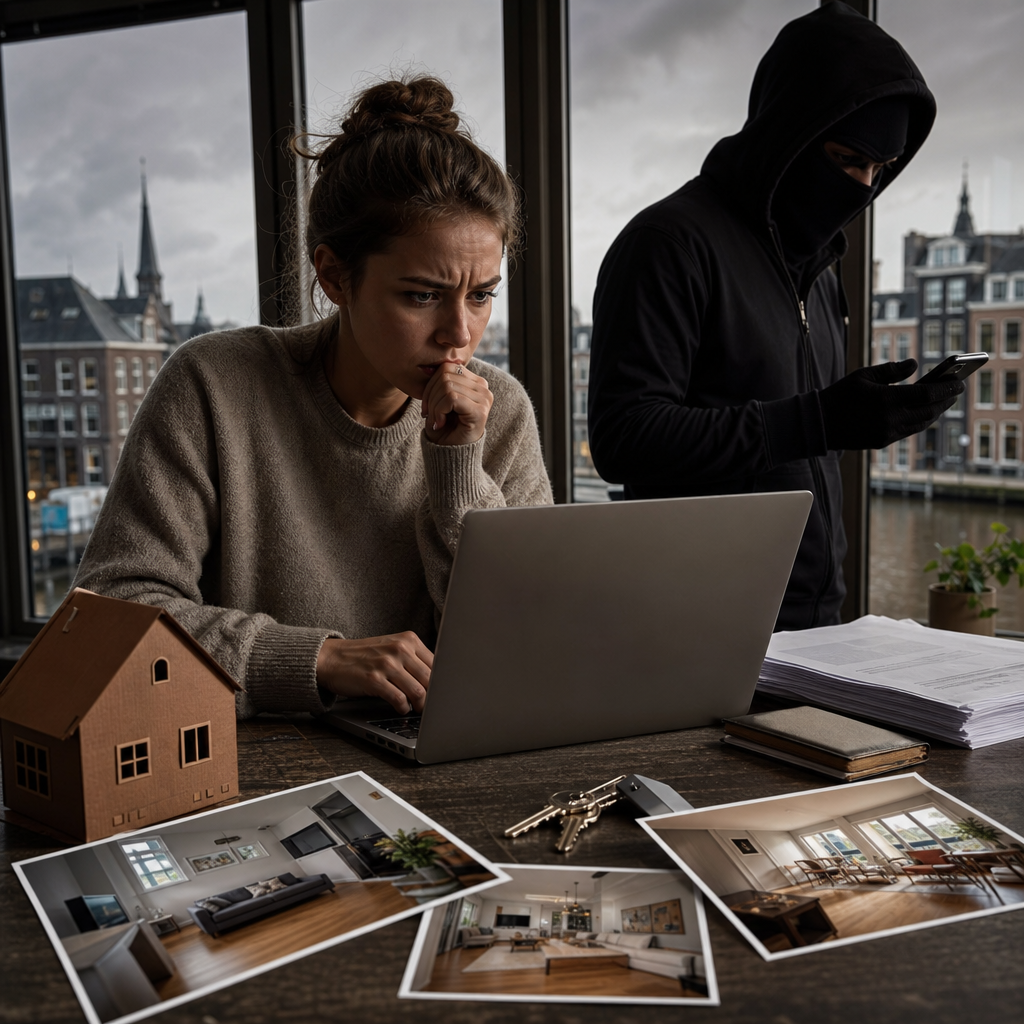
Finding a home in 2026 has never been more competitive — or more exposed to fraud. As demand surges across European capitals and major US cities, scammers have refined their tactics, using polished photos, convincing stories, and even fake video tours. The single most powerful tool you have to protect yourself isn't a background-check service or a lawyer — it's knowing exactly what a legitimate landlord will ask you, and what they will never ask.
This guide breaks down the difference between normal due diligence and a rental scam in disguise. Whether you're an international student in Berlin, an expat in Barcelona, or a family relocating to Chicago, these rules will help you spot a fake rental listing in minutes.
Why Rental Scams Are Booming in 2026
Housing shortages, remote-work relocations, and the explosion of listings on Facebook groups, WhatsApp channels, and Telegram have created the perfect environment for fraud. Scammers copy real listings, drop the price by 20–30%, and pressure applicants to send a deposit before viewing.
According to consumer protection agencies across the EU and North America, reports of rental deposit scam cases rose sharply over the past two years. The most common losses? First-month rent plus a security deposit wired to a stranger who then disappears.
Understanding what genuine landlords actually do — and don't do — is your best line of defense.
What a Legitimate Landlord WILL Ask
Real landlords and property managers follow predictable, documented procedures. Their questions revolve around one thing: can you reliably pay rent and take care of the property?
Standard, Reasonable Requests
- Proof of identity: a passport or national ID shown during a viewing or via a secure verified platform — not a photo emailed on day one.
- Proof of income or employment: recent pay slips, an employment contract, or a work certificate covering the last 2–3 months.
- References: from a previous landlord or employer, especially in the UK, Germany, and the Netherlands.
- Guarantor information: common in France (garant) and Spain (avalista) for students or newcomers.
- Basic personal details: full name, current address, number of occupants, and move-in date.
- A viewing appointment: in person or via a scheduled live video call with a clearly identifiable person.
Country-Specific Norms
- In Germany, a SCHUFA credit report is standard.
- In France, a dossier de location with tax notices is expected.
- In the US, landlords typically run a credit and background check with your written consent.
- In Spain, a nómina (payslip) and bank statement are common.
These requests are formal, traceable, and always tied to a written rental agreement.
What a Legitimate Landlord WILL NEVER Ask
Here's where the mask slips. If you see any of the following, you are almost certainly facing a scam.
- Full deposit or rent before viewing the property. No serious owner sends keys via courier in exchange for a wire transfer.
- Payment via cryptocurrency, gift cards, Western Union, or MoneyGram. These are irreversible and untraceable — the signature move of fraud.
- A scan of your entire passport plus a selfie holding it, sent by email or WhatsApp before any contract exists. This enables identity theft.
- Your full bank card number, CVV, or online banking password. Never. Under any circumstance.
- Social security numbers or tax IDs sent over unsecured chat, especially before a signed lease.
- Emotional pressure: "I have 10 other applicants, decide in 2 hours." Legitimate landlords give you time to read the contract.
- Communication only through email or messaging apps, refusing phone or in-person contact.
The "I'm Abroad" Red Flag
One of the most common scam scripts: the "owner" is conveniently in another country (missionary work, oil rig, military deployment) and can only send keys after payment. This is a textbook fake rental listing. Real owners have local representatives, agencies, or neighbors who can show the property.
Mini Case Study: How a €2,400 Scam Unfolded
Marie, a graduate student moving to Lyon, found a stunning studio at 30% below market rate on a public group. The "owner" claimed to be a doctor working in Ireland, asked for two months' rent by bank transfer to "reserve" the flat, and promised to courier the keys. He requested her ID scan, IBAN, and a signed contract via PDF.
Marie noticed three warning signs:
- No viewing possible before payment
- Photos reverse-searched to a listing in Portugal
- Contract had inconsistent addresses
She walked away. Two weeks later, the same listing appeared under a different name — proof the network was still active.
How to Verify a Rental Listing Before You Pay Anything
To avoid rental fraud, apply this five-step checklist to every listing:
- Reverse-image search the photos on Google Images or TinEye. Duplicates across cities are a red flag.
- Cross-check the address on Google Street View and local property registries.
- Insist on a live viewing — in person, or a real-time video call where the person walks through the apartment showing today's newspaper or a specific room you request.
- Verify the landlord's identity through official documents shown on camera, and search their name online.
- Never pay outside official channels — use bank transfers to verified accounts only, and only after signing a proper lease.
If a listing fails even one of these tests, walk away.
How Roogle Helps You Filter Out Scams
Most rental fraud today lives on scattered social channels — Facebook groups, Telegram, Instagram DMs, WhatsApp communities — where no one is moderating listings. That's exactly where Roogle changes the game.
Roogle is the first aggregator that pulls rental posts from these community sources and turns them into structured, verifiable listings. Instead of scrolling through dozens of groups, you get:
- Real-time alerts via Telegram, email, or push notifications the moment a matching listing appears
- Direct links to the original source, so you can always verify rental listing authenticity and contact the poster directly
- Access to hidden community offers that never reach the big portals, often from private landlords with fair prices
- Hours of manual searching saved — so you have more time to properly vet each option
By centralizing scattered listings and preserving the original source, Roogle empowers you to apply every verification step in this article — without missing genuine opportunities in fast-moving markets.
Final Thoughts: Trust Is Earned, Not Wired
A legitimate landlord will ask for what any responsible business partner needs: proof you can pay, references, and a signed agreement. They will never ask for money before you see the property, sensitive banking credentials, or your full identity through an insecure channel.
Protecting yourself from a rental deposit scam is fundamentally about pace and channels. Slow down. Verify. Meet. Sign. Then pay — in that order.
Ready to search smarter and safer? Visit roogle.app to explore aggregated rental listings from trusted community sources, set up instant alerts, and find your next home without falling into the scam trap.
Looking for rentals now?
Search hidden community listings across Facebook, Telegram, Reddit, forums and more — in one live feed with instant alerts.